From the file. Written for the paper dated January 1978. Opened in the public stacks July 14, 2026.
As the nation grapples with the ongoing health crisis, the responses from both the left and the right reveal an alarming trend of prioritizing political gain over the well-being of the American people.
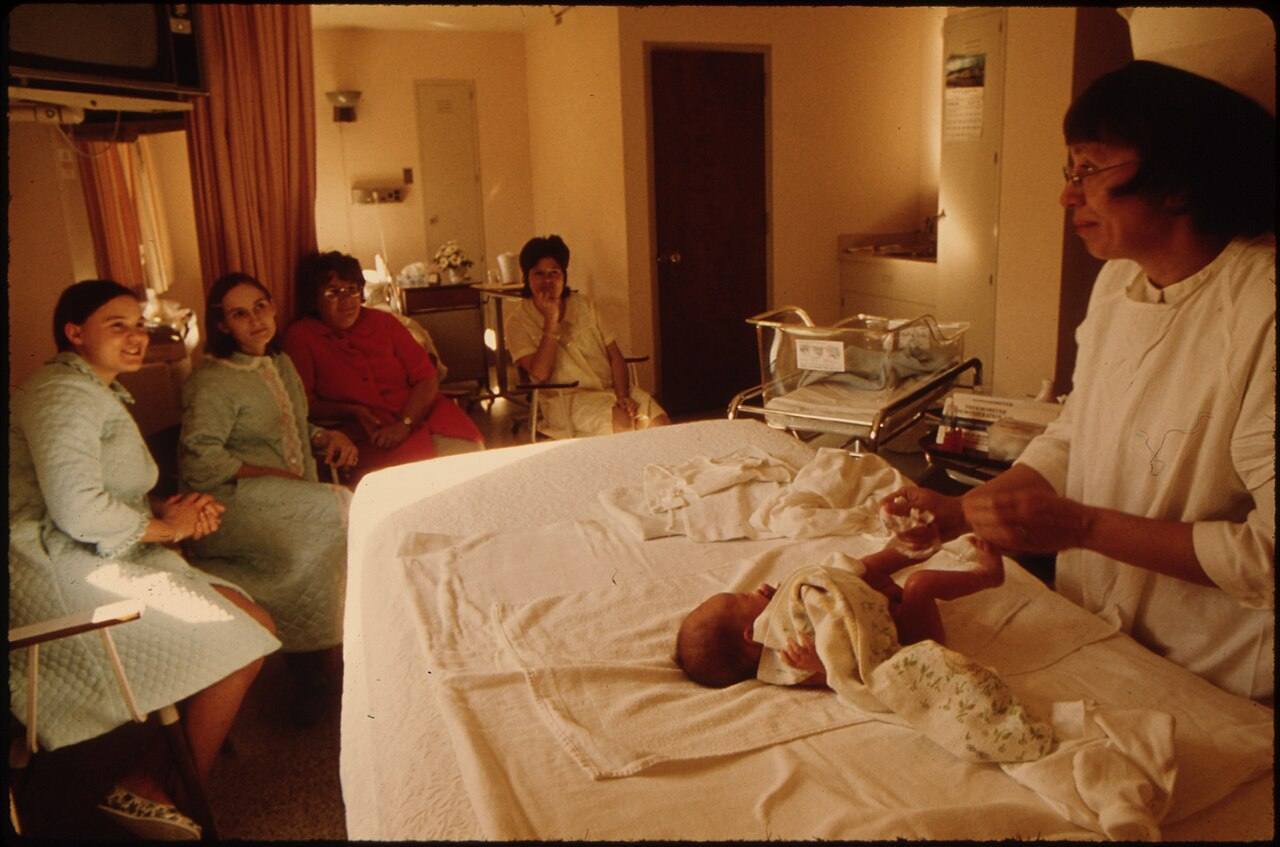
Polarized Approaches to a National Health Crisis
With the specter of epidemics looming large, the urgency for a cohesive and effective response has never been greater. Yet, the actions taken by both sides of the political spectrum seem driven more by ideological rigidity than by a commitment to human health. The left pushes for expansive government intervention and increased funding for public health initiatives, while the right advocates for a market-driven approach that emphasizes personal responsibility and reduced regulation.
On the left, there is a call for sweeping reforms in healthcare funding and delivery, often framed in moral terms - stressing the government's obligation to protect its citizens. While the sentiment is commendable, the approach often overlooks the complexities of implementation and the potential for bureaucratic inefficiencies. Proponents of these policies seem to be more invested in promoting a vision of social equity than in the practicalities of managing a crisis effectively. This fervor for reform can lead to a dismissal of alternative viewpoints, creating a culture of exclusion rather than collaboration.

Conversely, the right's unwavering dedication to free-market principles often results in a lack of necessary intervention in the face of a public health threat. While personal responsibility is indeed an important aspect of health, it is naive to think that individuals alone can navigate the complexities of an epidemic without adequate support from public health systems. The insistence on minimal government involvement can undermine coordinated efforts needed to effectively manage and mitigate health crises. Critics argue that this approach often prioritizes profit over people, effectively sidelining those who cannot afford to act independently in the face of illness.
"Both sides seem more focused on winning political battles than on finding solutions for the American people."
Incentives for Action: A Double-Edged Sword
The incentives driving both parties reveal a troubling truth about epidemic response: rather than working together to forge a comprehensive plan, they are often incentivized by the prospect of political gain. On the left, the promise of increased funding and support can be politically advantageous, but it can also lead to a reliance on government solutions that may not always be effective. For instance, while there is a clear need for more resources in public health, the focus on government spending can sometimes obscure the need for innovative and sustainable practices.
On the other hand, the right's inclination to dismiss public health initiatives can be rooted in a desire to maintain political dominance. By framing public health policies as an overreach of government authority, there is an opportunity to rally a base that values individual freedom above collective well-being. However, this approach can lead to a dangerous underestimation of the role of government in protecting the public from health threats. It creates a narrative that vilifies those who advocate for necessary intervention as "big government" proponents, effectively stifling the discourse needed for meaningful progress.
A Call for Cooperation
As we move forward, it is crucial for both sides of the aisle to recognize the necessity of a united front in the face of public health challenges. Rather than vilifying one another's approaches, there must be a concerted effort to find common ground. This means acknowledging the validity of different perspectives while striving towards a shared goal: safeguarding the health of our communities.
Perhaps it is time for legislators to step back from the political battleground and engage in genuine dialogue that prioritizes the needs of the American people. This could involve forming bipartisan committees to address health crises, pooling resources, and sharing expertise to create a more effective response strategy. The stakes are too high to allow political posturing to dictate the terms of our public health policies.
The ongoing epidemic is not just a test of our healthcare systems; it is a reflection of our values as a society. If we continue to allow partisanship to dictate our responses to health crises, we risk failing not only those who are currently suffering but also future generations who will inherit the consequences of our inaction.
In this critical moment, let us remember that the health of our nation should transcend political divides. Only through collaboration and a commitment to the common good can we hope to rise to the challenges that lie ahead.
✦ ✦ ✦