From the file. Written for the paper dated December 1977. Opened in the public stacks July 14, 2026.
In an era where the rail freight industry is often reduced to mere statistics and graphs, a deeper examination reveals both the potential and the pitfalls that lie beneath the surface of the current discourse.
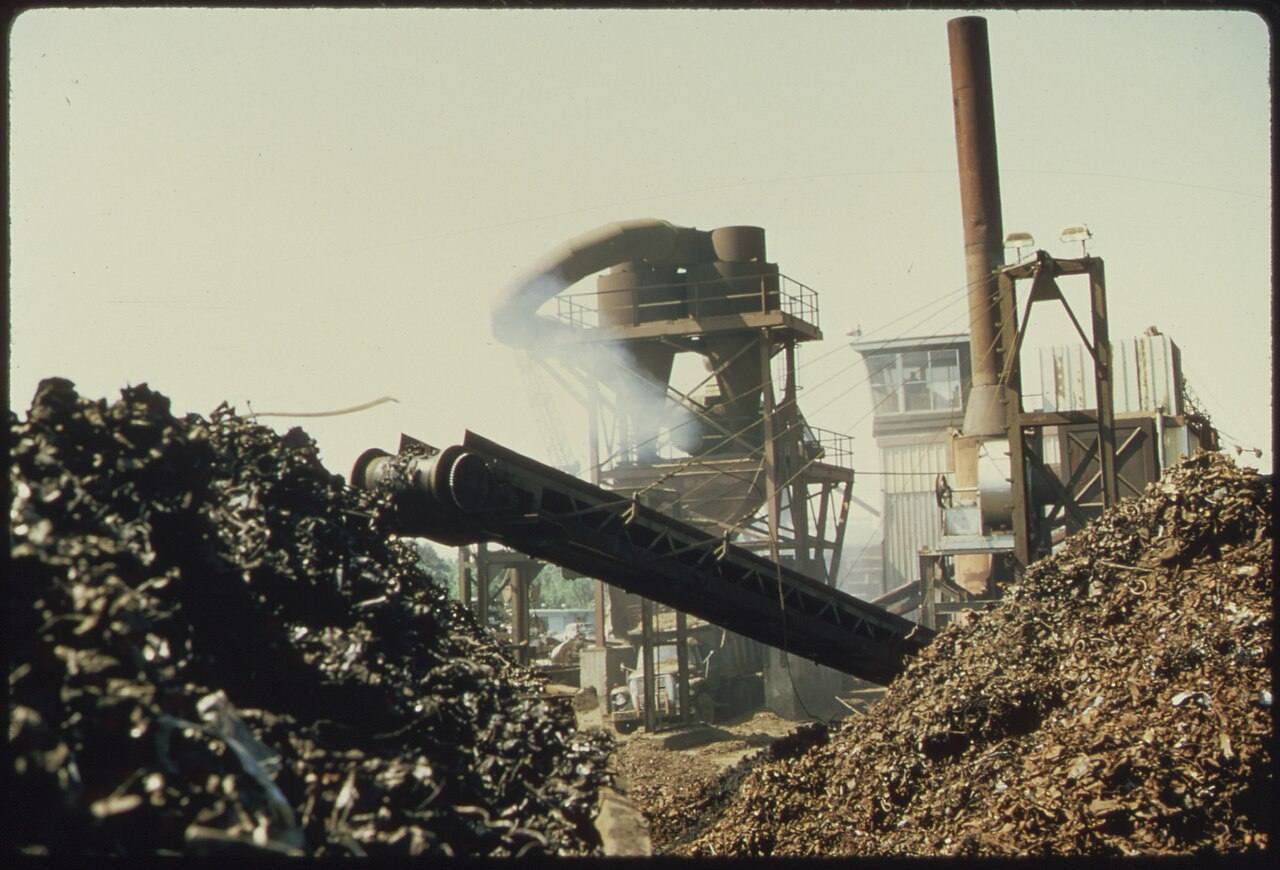
The Overlooked Complexity of Rail Freight
Rail freight is often touted as a backbone of American commerce, yet it is critical to recognize that the narrative is not always as straightforward as it appears. The efficiency of rail transport can be obscured by an overly simplistic portrayal that fails to account for the intricate network of factors influencing its operation. From labor relations to infrastructure challenges, there is a complex web of elements that deserve attention.
"In the rush to celebrate rail's efficiency, we must not ignore the human and infrastructural costs that frame this industry."
Current briefings often emphasize the growth in rail freight tonnage as an indication of a booming economy. However, this seemingly positive trend can lead to complacency among policymakers and industry leaders. What is often left out of these discussions is the reality that such growth may not necessarily translate into improved service or financial stability for the railroads themselves. Declining infrastructure, aging locomotives, and insufficient investment in modernization are pressing issues that remain largely unaddressed.
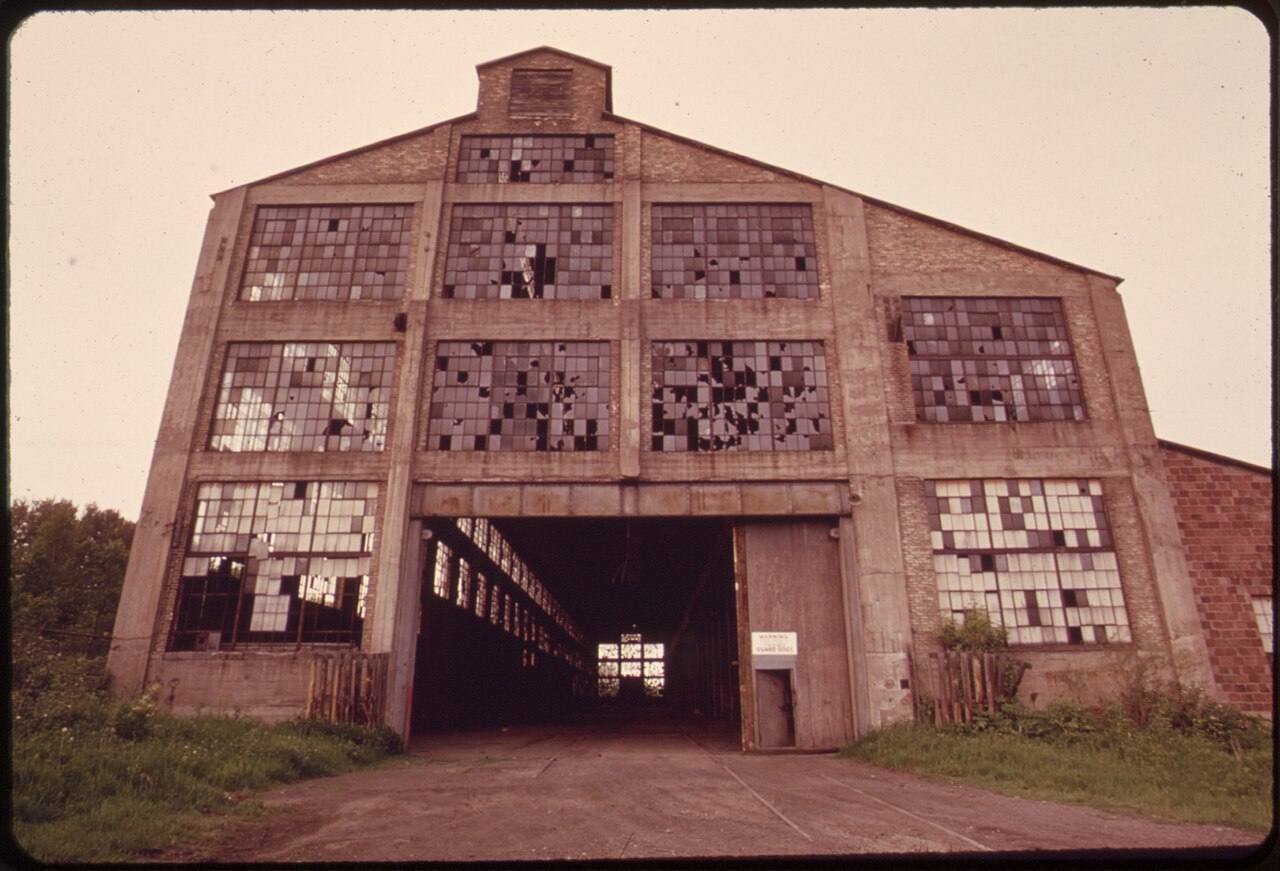
The Labor Perspective
The labor force involved in rail freight operations also warrants a thorough examination. While the industry has made strides in efficiency, the human element often gets overshadowed in discussions focused on cost-cutting measures and automation. Workers in rail freight have faced increasing pressures as companies pursue higher productivity. This has led to growing discontent among labor unions, which argue that the push for efficiency often comes at the expense of worker safety and job security.
Moreover, the recent rise in labor disputes and strikes highlights the urgent need for dialogue between management and labor. While some may view these actions as excessive, they underscore a profound frustration with conditions that many workers deem unacceptable. The potential for disruption in freight services looms large if these issues are not addressed comprehensively.
Environmental Concerns and Public Perception
On the environmental front, the rail freight industry promotes itself as a greener alternative to road transport. While it is true that trains can be more fuel-efficient, the environmental costs associated with rail operations are often glossed over. Railroads contribute to pollution and disruption of ecosystems, particularly in areas undergoing expansion or modernization. Stakeholders must confront these realities head-on rather than relying on surface-level environmental claims.
"The narrative of rail freight as a green alternative must be scrutinized; environmental costs are real and pressing."
Public perception of rail freight is also shaped by a selective narrative. The industry often highlights its role in reducing traffic congestion and lowering greenhouse gas emissions, yet these claims require robust evidence and transparency. As communities become increasingly concerned about environmental impacts, rail companies must engage with the public to address these issues proactively.
Government Regulation and the Role of Policy
Regulation - often viewed as a hindrance by industry advocates - is a necessary component of ensuring a balanced approach to rail freight operations. The federal government plays a significant role in shaping this landscape through policies that can either bolster or hinder the industry’s growth. Excessive deregulation could lead to a race to the bottom, compromising safety and service quality. Conversely, overly stringent regulations could stifle innovation and investment.
As the debate over rail freight continues, it is imperative that policymakers strive for a balanced approach that weighs economic growth against the need for accountability and oversight. The dialogue surrounding these issues must include diverse voices, from industry experts to labor representatives and environmental advocates, to foster a comprehensive understanding of the challenges facing rail freight.
Conclusion: Finding Balance
In conclusion, the rail freight industry presents a complex tapestry of opportunities and challenges. While the allure of growth and efficiency is compelling, we must not lose sight of the myriad of factors that shape this sector. An informed perspective requires a critical examination of the narratives surrounding rail freight, focusing not only on statistics but also on the human, environmental, and regulatory dimensions.
✦ ✦ ✦