From the file. Written for the paper dated December 1977. Opened in the public stacks July 14, 2026.
As the nation grapples with the implications of an aging population, the conversation often centers on economic burdens and healthcare costs. However, what is frequently left out of official briefings is the nuanced reality of this demographic shift.
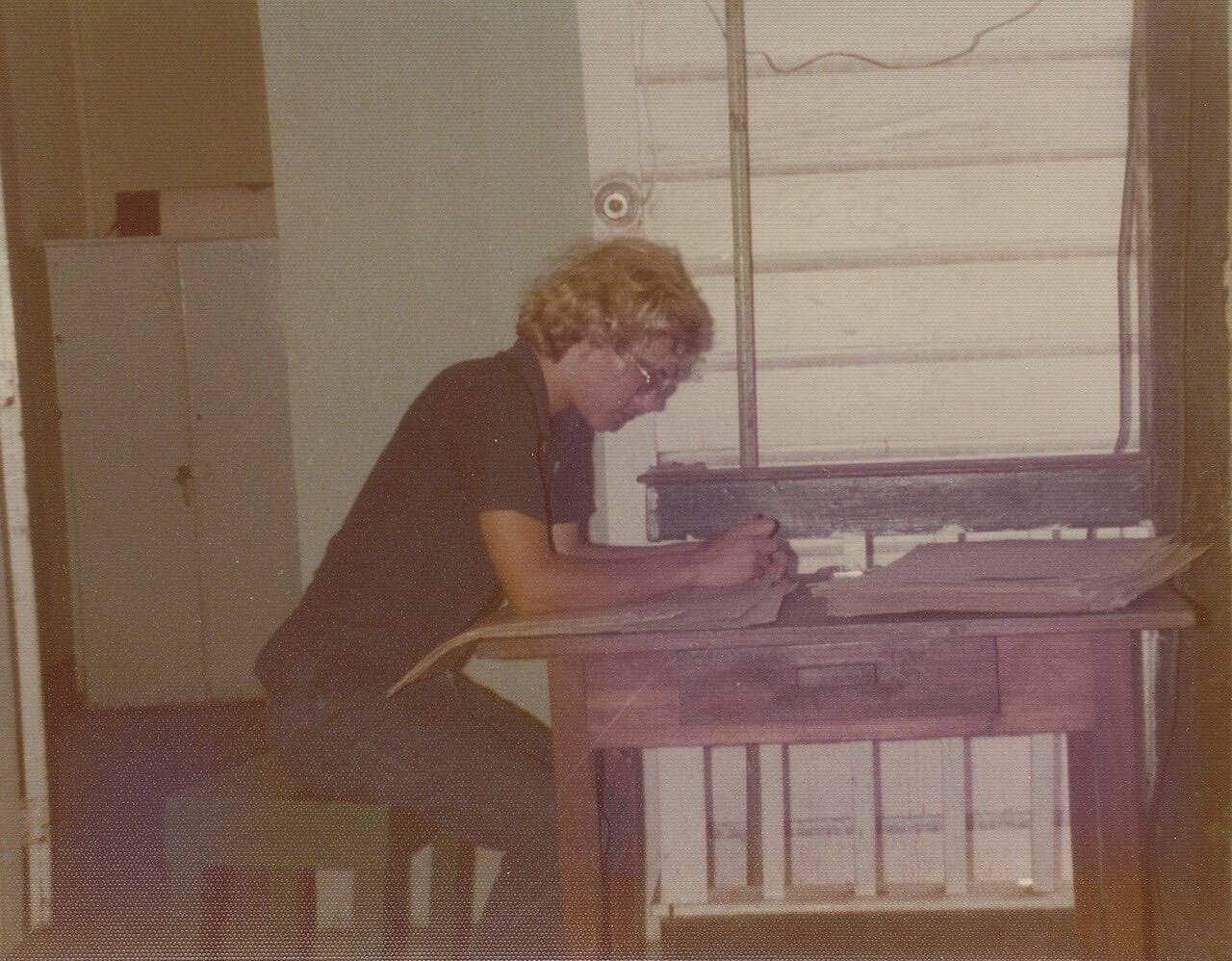
Understanding the Aging Population
The numbers are stark: the elderly population is growing at an unprecedented rate. By 1990, projections estimate that there will be approximately 28 million Americans aged 65 and older. This significant demographic change raises questions about the future of social services, healthcare provision, and the economy as a whole. Yet, while policymakers and the media focus on the fiscal ramifications, the human aspect of aging seems to be relegated to the background.
Economic Narratives Vs. Human Experiences
Much of the current dialogue is driven by concerns over Social Security solvency and rising healthcare expenditures. The conservative rhetoric often frames the elderly as a financial burden on younger generations, painting a picture of a looming crisis. On the other end, some progressives advocate for expansive welfare programs, advocating that society must shoulder the costs of care without addressing the quality of life or the actual needs of the elderly.
"We cannot afford to ignore the human stories behind the statistics."
This binary framing oversimplifies the complexities of aging. It is imperative to recognize that the elderly are not merely numbers in a budgetary report. They are individuals with rich histories, diverse experiences, and valuable contributions to society that extend beyond economic measures.
What Are We Missing?
In our rush to quantify the aging population and its economic implications, we neglect critical components of this demographic change. For instance, the conversation often lacks depth regarding the mental health issues faced by older adults. Isolation, depression, and cognitive decline are pressing concerns that require attention and resources, yet they remain shrouded in stigma and underreported in policy discussions.
Moreover, the unique cultural and social needs of the elderly are often overlooked. Many older Americans wish to remain active and engaged members of their communities, yet our infrastructure frequently fails to support such aspirations. Public spaces, transportation, and social programs need to evolve to facilitate the integration of seniors, rather than isolating them in nursing homes or assisted living facilities.
Bridging the Gap
To create a more inclusive narrative around aging, it is essential to bridge the gap between economic analysis and the lived realities of older Americans. This requires not just acknowledging the challenges they face but also celebrating their resilience and potential. Programs that promote intergenerational activities, volunteer opportunities, and lifelong learning can enrich communities while benefiting seniors’ mental and emotional well-being.
Additionally, a shift in perspective is necessary. Rather than framing aging solely as a crisis, we should recognize it as an opportunity for growth and innovation. The wisdom and experience of older generations can guide younger individuals, fostering a sense of community and mutual support.
Looking Ahead
As we enter a new year, the challenge before us is to foster a more holistic understanding of aging. It is crucial for policymakers to engage with the elderly and their advocates, ensuring that their voices are heard in the decision-making process. This approach will not only enhance the quality of life for older Americans but will also enrich society as a whole.
In conclusion, the conversation surrounding the aging population must evolve beyond mere statistics and economic forecasts. It is time to prioritize the human experiences that lie at the heart of this demographic shift. Failure to do so risks perpetuating a narrative that marginalizes and overlooks the invaluable contributions of our elders.
✦ ✦ ✦