From the file. Written for the paper dated November 1977. Opened in the public stacks July 14, 2026.
In a week marked by fervent debates and pronounced ideologies, the clash between process and performance has never been more evident. As both the left and the right dig in their heels, it is crucial to examine what the numbers truly indicate rather than getting lost in the cacophony of rhetoric.

Understanding the Fractures
It seems that every corner of the political landscape is currently embroiled in a battle over which approach should dominate the narrative: the meticulous process of governance or the tangible outcomes it yields. The left, with its focus on social justice and equitable distribution of resources, often leans heavily on the process, advocating for procedural safeguards and collective action. Meanwhile, the right champions performance, emphasizing personal responsibility and market-driven solutions to societal issues.
While both sides present compelling arguments, the reality is that an overemphasis on either process or performance can lead to detrimental consequences. Take, for instance, the recent debates surrounding healthcare reform. Proponents of the left argue for a structured approach that guarantees coverage for all, often fixating on the intricate process of how such a system would be implemented. Meanwhile, critics from the right spotlight the inefficiencies of government-run programs, asserting that the free market will yield better healthcare outcomes.
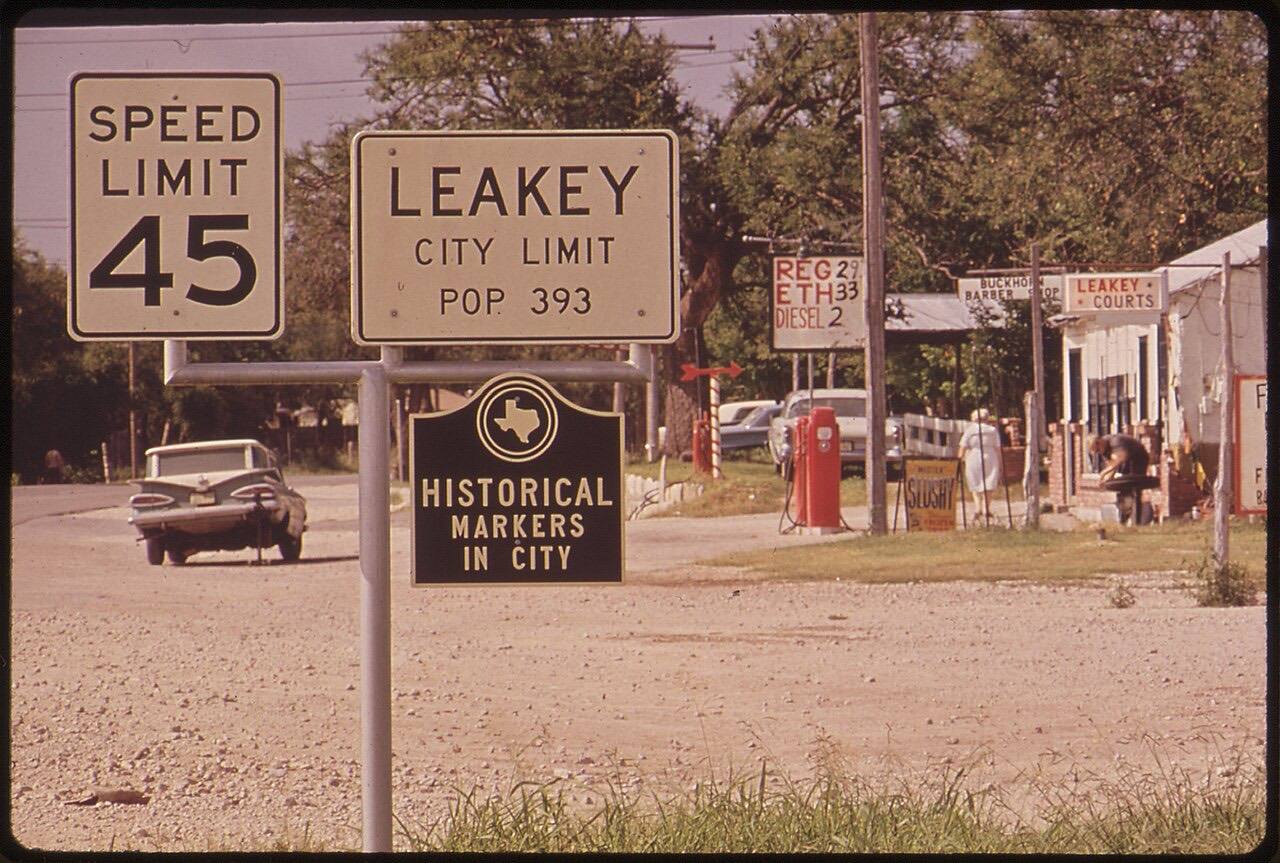
"In the end, we must ask ourselves whether we are prioritizing the process or the impact of our policies."
However, as we dissect the ongoing discussions, the core issue emerges: are we truly achieving better outcomes? Recent statistics show that healthcare costs continue to rise, irrespective of the ideological underpinnings of the proposals on the table. This leads us to the question: are we simply exchanging one set of bureaucratic hurdles for another, or are we genuinely improving the health of the populace?
The Data Dilemma
Both sides appear to selectively interpret data to bolster their claims. The left cites the number of uninsured individuals as evidence of the failure of market solutions, while the right highlights the inefficiencies and budgetary overruns of existing government programs. The truth lies somewhere in between, obscured by the lens through which we choose to view it.
The emphasis on process can often lead to stagnation. The left's insistence on thorough examination and debate has resulted in policy paralysis, leaving many without necessary services. Conversely, the right's push for rapid implementation of market-based solutions often neglects the nuances of socio-economic disparities, risking the very lives they aim to improve.
Excesses of Ideology
The excesses of both sides are glaring. The left risks alienating moderate supporters with its increasingly radical rhetoric, while the right's staunch adherence to free-market principles often comes at the expense of the most vulnerable populations. In this ideological tug-of-war, the average citizen becomes a mere pawn, caught between competing narratives that rarely converge on practical solutions.
As we approach the 1978 election cycle, it is imperative for both parties to reassess their priorities. The American public is not interested in a drawn-out debate over processes that yield little to no results. They want tangible outcomes that improve their everyday lives. A focus on performance does not mean discarding process; rather, it requires a recalibration of priorities to ensure that the machinery of government operates efficiently and effectively.
A Call for Balance
As we navigate these turbulent waters, we must call upon our leaders to seek balance. The process should serve the purpose of delivering performance, not hinder it. The American people deserve leadership that prioritizes results without losing sight of the ethical and procedural implications that govern our democracy.
In conclusion, the clash between process and performance is not merely a theoretical debate; it is a pressing issue that affects the lives of millions. As we engage in this discourse, let us be guided by the numbers and the real-world implications of our choices. It is time to shift our focus from ideological extremes to practical solutions that serve the greater good.
✦ ✦ ✦