From the file. Written for the paper dated October 1977. Opened in the public stacks July 14, 2026.
The recent public lab open house drew crowds eager to engage with scientists and see the innovations that could shape our future. Yet, amid the buzz of discovery, a troubling trend emerges: the allure of certainty in an age of ambiguity.
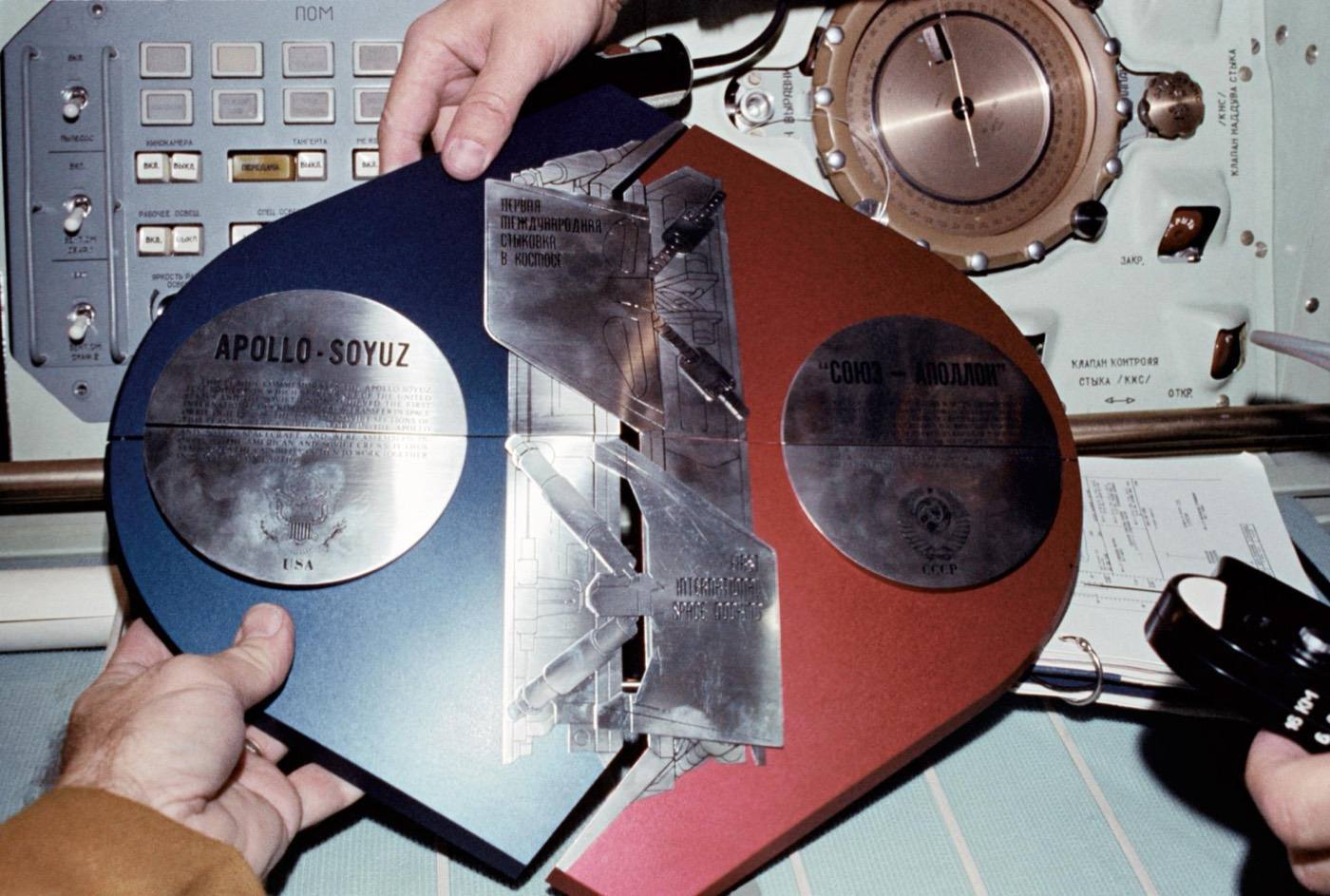
A Public Lab That Captivates
The open house, held at the local research facility, was a resounding success. Families, students, and curious minds flocked to witness firsthand the wonders of modern science. Exhibits ranged from the latest in microbiology to advancements in renewable energy, all laid out in an inviting atmosphere conducive to inquiry. Scientists enthusiastically guided groups through interactive displays and demonstrations, turning abstract concepts into tangible experiences.
“People are hungry for answers; they want clarity in a world filled with confusion.”
This sentiment echoed throughout the event. As the nation grapples with economic uncertainty and political turmoil, the public's appetite for scientific knowledge has never been greater. However, this thirst for understanding also raises concerns about the sometimes oversimplified narratives that are emerging from both the scientific community and the media.
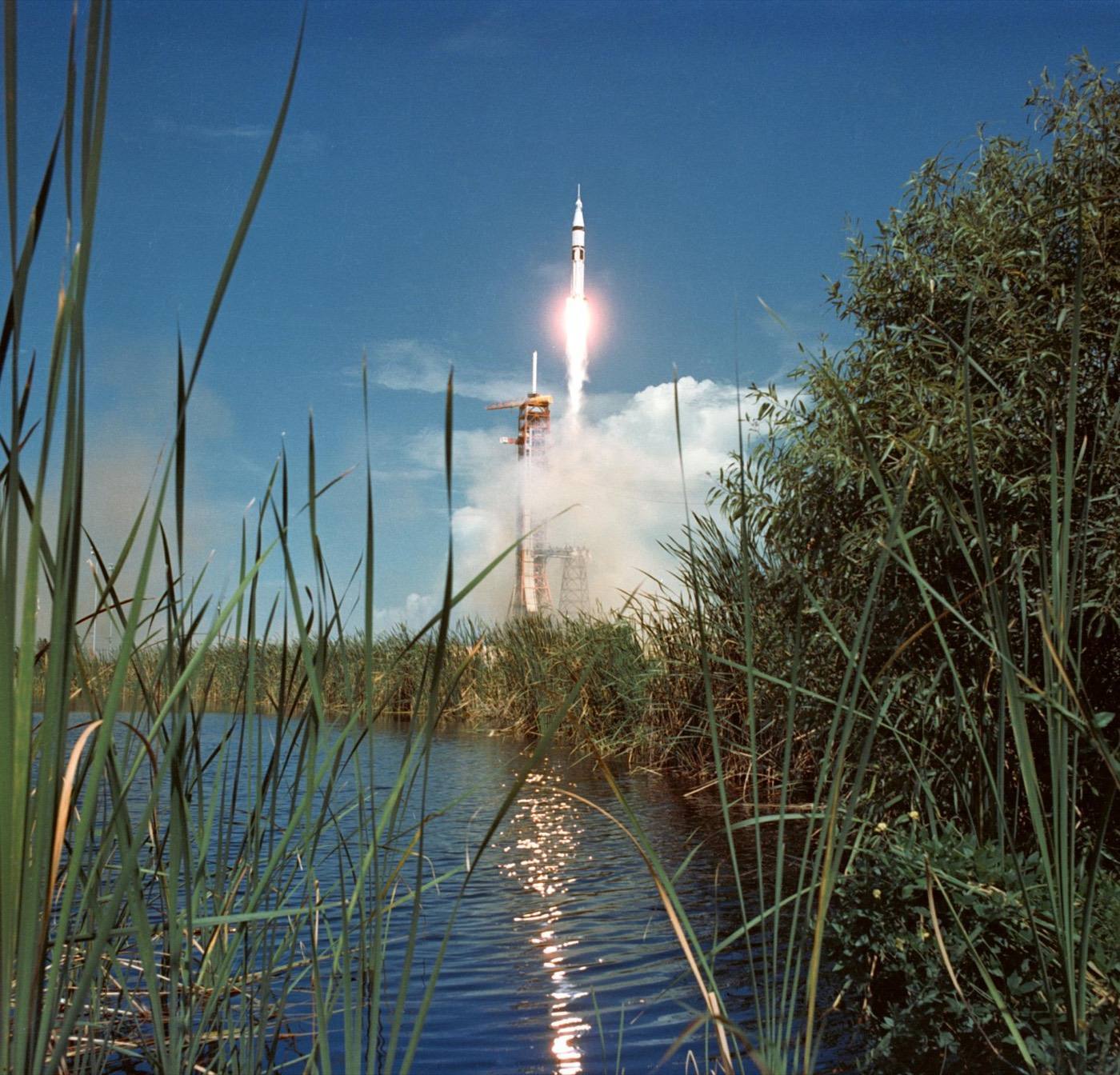
The Double-Edged Sword of Certainty
In the quest for answers, many have started to gravitate toward ideas that promise certainty. This trend is reflected not only in the fields of science but also in the political discourse that surrounds it. On the one hand, the left champions the importance of science in crafting policy, advocating for data-driven decisions that prioritize social welfare. On the other hand, the right often pushes a narrative that emphasizes free-market solutions and minimal government interference, framing scientific findings as tools for their ideological agenda.
Both extremes risk distorting scientific truth to fit their narratives. The left may oversell the power of science as a panacea for all social problems, while the right may dismiss critical scientific findings as mere “liberal propaganda.” This tug-of-war over scientific interpretation creates a landscape where certainty becomes a commodity, and nuance is all but lost.
Science as a Political Tool
The interplay between science and politics is particularly evident in the heated debates over environmental regulations and public health initiatives. For instance, climate change has become a polarizing issue, with scientists urging immediate action based on extensive research. Yet, many on the right dismiss these findings, favoring economic growth over environmental protection. This has led to a dangerous environment where scientific consensus is undermined by political agendas.
The left’s response often hinges on presenting scientific data as an unequivocal truth, which can be just as problematic. By framing scientific findings as indisputable, they risk alienating those who may have legitimate concerns or reservations about the implications of such knowledge. A balanced conversation about science requires acknowledging uncertainties and complexities, rather than presenting a one-sided narrative.
A Call for Balanced Dialogue
As scientists and policymakers continue to engage with the public, it is paramount that they foster dialogue that encourages critical thinking rather than blind acceptance. The open house showcased the excitement of scientific discovery, but it also highlighted the need for humility in understanding the limitations of our knowledge.
In a world that often feels increasingly polarized, the ability to appreciate the grey areas of scientific inquiry could serve as a bridge between the left and right. Instead of using science as a weapon in ideological battles, we must strive to recognize its role as a tool for collaboration and informed decision-making.
Looking to the Future
The ongoing dialogue about science in public life underscores the importance of fostering an informed citizenry. Events like the open house are vital for demystifying research and promoting scientific literacy. Yet, as we celebrate these achievements, we must also be vigilant about the narratives we construct around science.
In a society that craves certainty, it is essential to remember that science is as much about questioning as it is about answering. Only through a commitment to nuanced dialogue can we hope to navigate the complexities of our world. The open house may have provided a glimpse of the future, but it also serves as a reminder that the journey of scientific exploration is far from over.
✦ ✦ ✦