From the file. Written for the paper dated October 1977. Opened in the public stacks July 14, 2026.
In an era marked by rising healthcare costs and increasing public scrutiny, a closer examination of hospital expenses reveals a complex landscape where certainty is becoming a valuable commodity.

A New Era of Healthcare Economics
As we delve into the economic factors influencing hospital costs, it is essential to recognize that the healthcare system is undergoing significant transformation. The rise of managed care, an increasingly informed patient population, and the looming threat of government intervention have all contributed to a climate where hospitals must justify their pricing structures more than ever before.
For many consumers, the price of healthcare is often shrouded in mystery. This opacity can lead to frustration and distrust among patients, who find themselves grappling with unexpected bills and insufficient explanations. In response, hospitals are beginning to adopt more transparent pricing strategies, providing clearer estimates of what patients can expect to pay for various procedures and services. This shift towards clarity is not merely a public relations tactic; it is a necessity in an environment where informed consumers are demanding accountability.
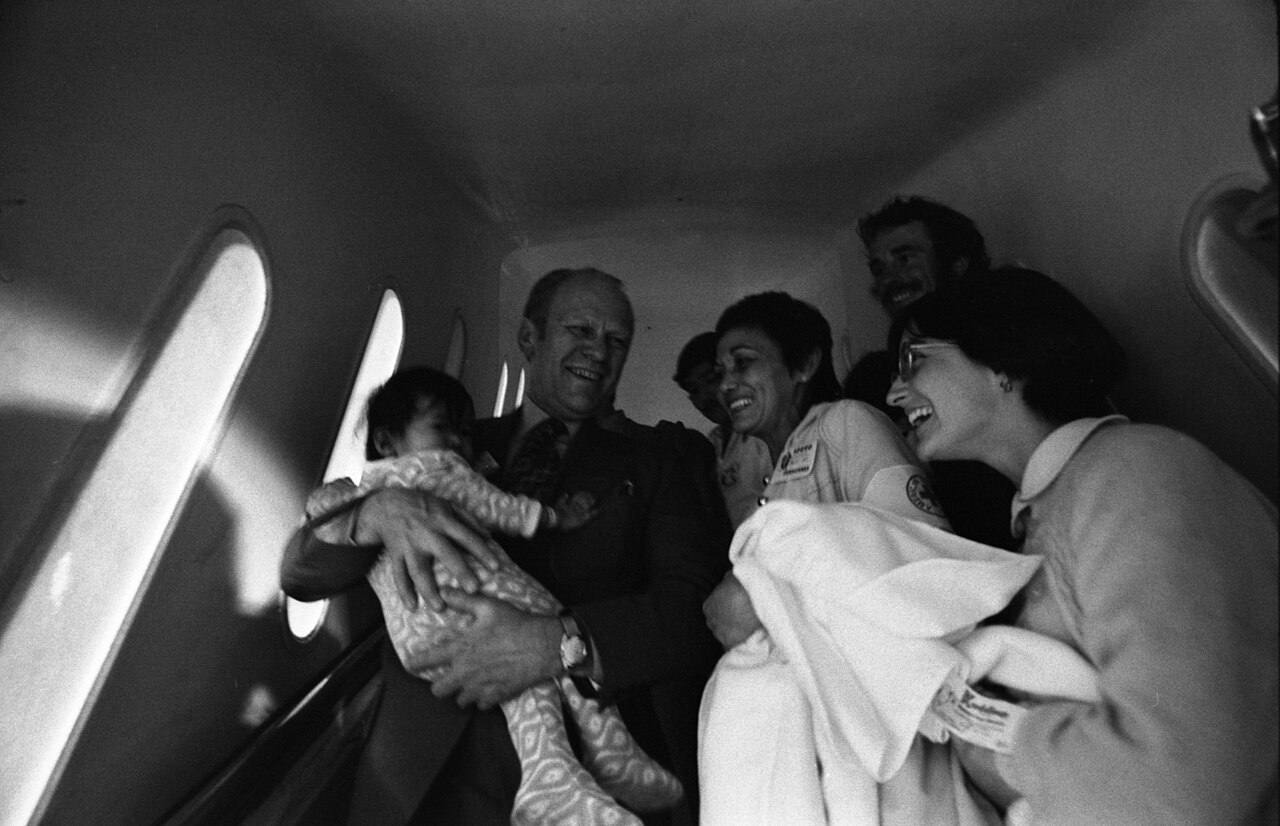
"The days of blindly accepting hospital bills are over; patients are asking questions and seeking clarity."
However, as hospitals work to present a clearer picture of their costs, we must also address the excesses emerging from both ends of the political spectrum. Critics on the left argue that the healthcare system is fundamentally flawed and that the profit motives of private hospitals lead to exploitative pricing. On the other hand, conservative voices emphasize the need for free-market principles, warning against government regulation that could stifle innovation and lead to further cost escalations. The truth lies somewhere in between, and both sides must acknowledge the realities of a complex system that requires both oversight and ingenuity.
Managed Care: A Double-Edged Sword
The rise of managed care is reshaping the landscape of hospital costs. On one hand, managed care aims to reduce expenses through a focus on preventative care and efficiency. However, there are increasing concerns that this model may lead to compromised patient care as hospitals prioritize cost-saving measures over patient needs. As the balance between affordability and quality continues to be debated, it is crucial that we avoid extremes that may jeopardize the fundamental goal of healthcare: to provide quality care for all.
Moreover, the political rhetoric surrounding healthcare reforms often adds to the confusion. Proponents of universal healthcare argue that a government-run system would eliminate profit-driven motives and lead to fairer pricing. However, critics caution against the inefficiencies and bureaucratic challenges that often accompany such systems. There is a palpable fear that a one-size-fits-all approach could stifle competition and innovation, ultimately harming patients in the long run.
While these debates rage on, it is essential that we maintain a focus on the core issue: the need for accessible and affordable healthcare. Hospitals must find a way to balance cost control with the delivery of high-quality care. This balancing act is no easy feat, and it is here that we see the necessity of pragmatic solutions that transcend ideological boundaries.
Looking Ahead: The Role of Patients
As patients become more engaged in their healthcare decisions, their voices will play a critical role in shaping the future of hospital pricing. More than ever, individuals are taking proactive steps to understand their healthcare options and are demanding clearer communication from providers. This shift is prompting hospitals to rethink their pricing strategies and improve transparency.
Patients should be encouraged to ask questions about costs, seek second opinions, and explore different healthcare options available to them. This newfound assertiveness could very well lead to a more competitive marketplace that benefits all consumers. However, it is equally important for patients to remain vigilant against the excessive claims made by both advocates and detractors of the current system. The reality is that healthcare is an intricate web of services, costs, and regulatory frameworks that cannot be easily simplified into political slogans.
In conclusion, while the current climate surrounding hospital costs is fraught with challenges, it also presents an opportunity for meaningful change. By prioritizing transparency, fostering patient engagement, and steering clear of the extremes of ideological rhetoric, we can work towards a healthcare system that provides quality care at a price that is both fair and sustainable. The journey ahead will undoubtedly be complex, but it is one we must undertake together if we are to achieve a healthier future for all.
✦ ✦ ✦