From the file. Written for the paper dated September 1977. Opened in the public stacks July 14, 2026.
As labor strikes gain momentum across various sectors this September, the political narrative surrounding workers' rights seems to be clouded by a bipartisan tendency to overlook the complexities of labor relations.
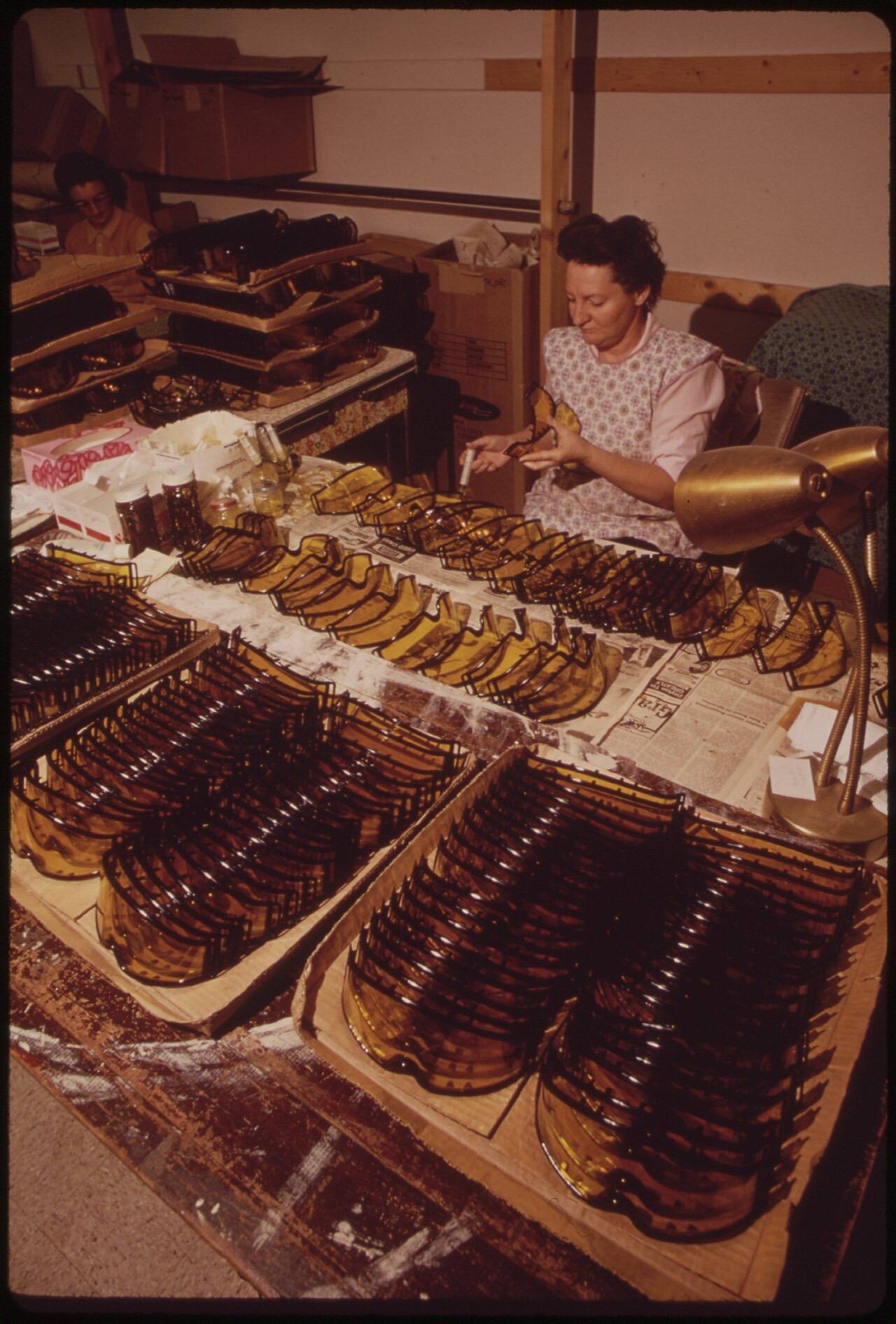
The Current State of Labor Strikes
This week, several unions have taken the bold step of initiating strikes, seeking better wages and improved working conditions. Notably, the United Auto Workers (UAW) has mobilized thousands, echoing demands that have been simmering for years. In the healthcare sector, nurses are walking out to protest staffing shortages and burnout - a situation exacerbated by the ongoing demands of the job. These actions reflect a larger trend of dissatisfaction among workers across industries, yet the political response reveals a striking inconsistency.
Bipartisan Blindness to Labor Issues
It is not surprising that both major political parties are quick to champion labor rights when it suits their agendas. Yet, when the rubber meets the road, their selective memory becomes apparent. The Democrats, traditionally seen as the party of the working class, have at times taken a back seat to more progressive movements, leaving some unions feeling neglected. On the other hand, Republicans often claim to support free-market principles while simultaneously undermining labor rights, particularly when it threatens corporate interests.
“Both parties have a tendency to embrace labor issues only when it aligns with their political goals.”
For instance, during the last election cycle, we watched as Democratic candidates touted their support for labor unions, promising policies that would protect workers. But as negotiations continue to stall in Congress, the urgency of those promises appears to fade. Republicans, while often advocating for deregulation and corporate tax cuts, fail to acknowledge the implications these policies have on the average worker. This creates a dissonance that workers on the picket lines can see all too clearly.
The Struggles of the Everyday Worker
At the heart of these strikes is the struggle of the everyday worker - a struggle that is often romanticized in political rhetoric but ignored in practice. The reality is stark: inflation is rising, and wages are stagnating. Workers are demanding not just a fair wage but respect and dignity in their workplaces. Yet, as bipartisan agendas clash, the voices of these workers are drowned out by political posturing.
The Role of Media in Labor Discourse
The media also plays a crucial role in shaping the narrative around labor strikes. Coverage tends to focus on the dramatic elements of strikes - picket lines, confrontations with police, and the occasional high-profile interview. However, the underlying issues often remain unaddressed. Are the media outlets themselves guilty of selective memory, highlighting the sensational while overlooking the systemic issues that lead to these strikes?
As we reflect on the current labor landscape, the role of the media must be scrutinized. Are they serving the interests of a bipartisan elite, or are they committed to representing the voices of the working class? If we are to move forward, a more nuanced understanding of labor issues is essential.
What Lies Ahead for Labor Movements
Looking ahead, it is clear that the labor movement is at a crossroads. The growing discontent among workers demands a response from both political parties. If they continue to ignore the plight of the working class, they risk alienating a vital constituency that can no longer afford to be overlooked. The current strikes may be just the beginning of a larger wave of labor activism.
In conclusion, as September unfolds, the labor strikes serve as a reminder of the challenges facing American workers. The bipartisan habit of selective memory regarding labor rights must be challenged. Workers deserve more than rhetoric; they need action that reflects their needs and aspirations. The time for genuine support and meaningful policy change is now.
✦ ✦ ✦