From the file. Written for the paper dated August 1977. Opened in the public stacks July 14, 2026.
As the demographic landscape shifts, the implications of an aging population present both challenges and opportunities that demand urgent attention.
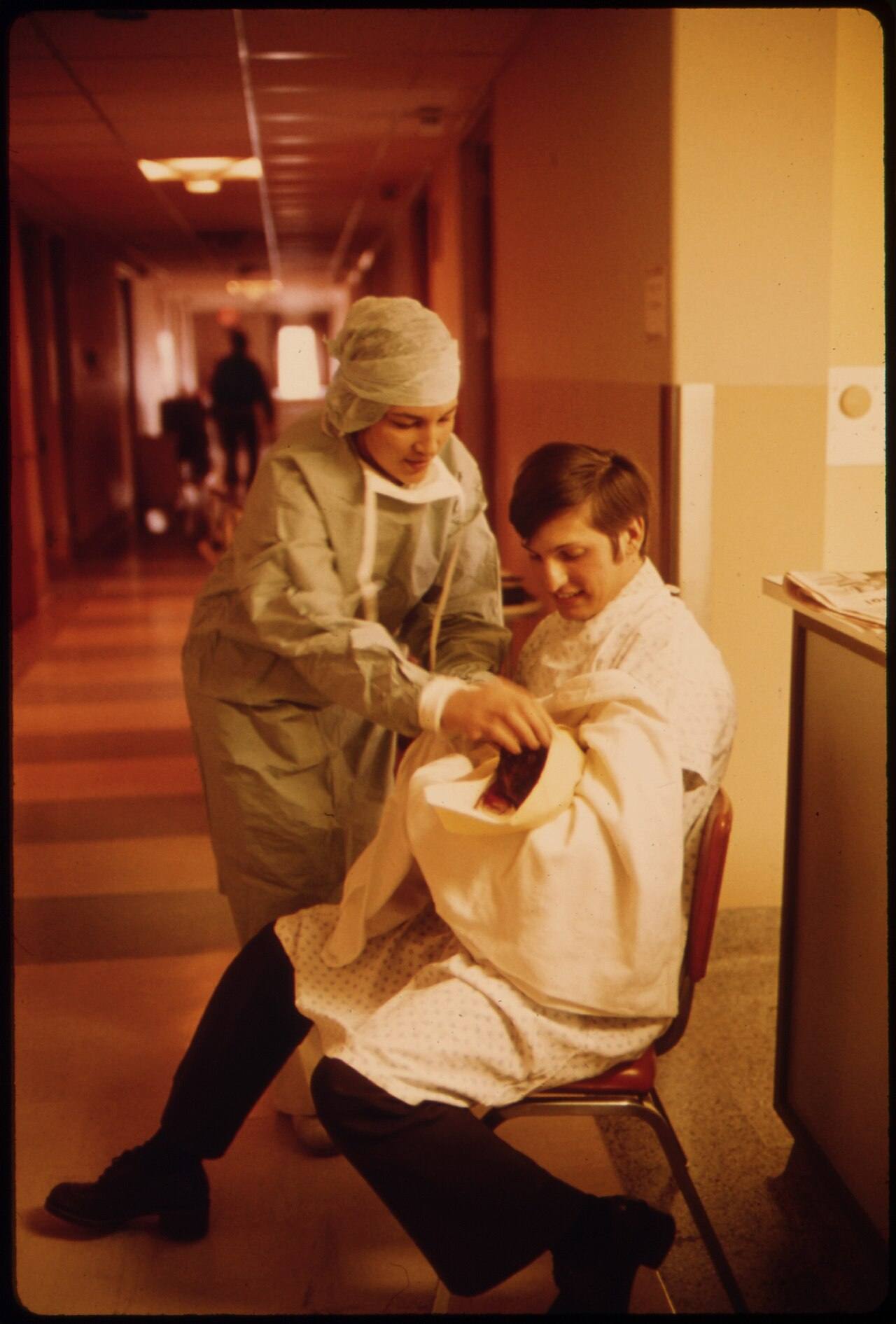
The past few decades have seen a significant increase in life expectancy, with many Americans now living well into their seventies and beyond. While this is undoubtedly a triumph of modern medicine and improved living conditions, it also raises pressing questions about the ability of our healthcare systems and social services to keep pace with this rapidly changing demographic. The failure to adequately plan for the needs of an older population is a quiet yet profound oversight that could have lasting consequences for society at large.
A Demographic Shift
According to the latest census data, the number of Americans aged 65 and older is projected to reach 35 million by the year 2000. This burgeoning population segment will place unprecedented demands on our healthcare infrastructure, retirement systems, and social services. Yet, despite this looming reality, many policymakers seem ill-equipped to address the complexities associated with an aging society.

On one hand, we see a passionate call from the left for expansive reforms, aimed at ensuring universal healthcare coverage and comprehensive support systems for the elderly. While these aspirations are noble, they often lack the practical grounding necessary for effective implementation. Proposals for sweeping changes risk becoming mired in bureaucratic red tape, and the promise of such reforms may ultimately fall short of delivering tangible benefits to the very individuals they aim to assist.
The Right's Reluctance
Conversely, the right's approach tends to focus on fiscal conservatism, advocating for less government intervention and a more market-driven model of healthcare. While the intention to reduce wasteful spending is commendable, this perspective often overlooks the unique needs of an aging populace. The emphasis on personal responsibility can inadvertently lead to the neglect of those who are least able to care for themselves, creating a dangerous gap in support for our most vulnerable citizens.
"Our aging population demands a collaborative approach that bridges the gap between idealism and practicality."
The Practical Impact
As it stands, the current state of healthcare for seniors is far from ideal. Many older Americans face barriers to access, including exorbitant costs, lack of transportation, and a shortage of specialized healthcare providers. The fragmented nature of our healthcare system only exacerbates these issues, leaving many to navigate a maze of providers, insurance plans, and eligibility requirements. The time for action is now, as the clock ticks on a demographic shift that is already underway.
Moreover, the conversation surrounding aging is often dominated by sensationalist narratives that paint a bleak picture of decline and dependency. This framing neglects the contributions that older adults can and do make to society. Many are active, engaged members of their communities, and their wisdom and experience are invaluable assets that should be celebrated rather than stigmatized.
Finding Common Ground
It is crucial for both sides of the political spectrum to recognize the importance of a balanced approach when it comes to caring for an aging population. Advocates from both the left and right must come together to craft policies that not only respect fiscal responsibility but also prioritize the health and well-being of our seniors. This means investing in preventative care, expanding access to affordable healthcare, and ensuring that social support systems are robust enough to meet the needs of our elders.
The Road Ahead
As we move forward, it is imperative that we shift the narrative surrounding aging from one of decline to one of opportunity. Communities must work to create inclusive environments that allow older adults to thrive. This includes affordable housing options, accessible transportation, and programs that promote social engagement and physical activity.
In conclusion, the failure to adequately address the needs of our aging population is a quiet crisis that we cannot afford to ignore. There is a pressing need for collaboration between political factions, healthcare providers, and community organizations to ensure that we are prepared for this demographic shift. Only by working together can we create a future that honors the dignity and contributions of every individual, regardless of age.
✦ ✦ ✦