From the file. Written for the paper dated July 1977. Opened in the public stacks July 14, 2026.
This week’s executive orders bring to light the continuing tension in American governance, as both the left and right grapple with their respective ideologies, often at the expense of thoughtful dialogue and compromise.

The Left’s Overreach
The left, emboldened by recent electoral successes, seems to be pushing the envelope with executive orders that many critics argue overstep the boundaries of executive power. The recent order aimed at environmental regulations has sparked fervent debate. While it is crucial to address pollution and climate change, the methods employed appear heavy-handed to some, raising concerns about government overreach into the private sector. The implications of such sweeping regulations could stifle economic growth and innovation, alienating those who feel their livelihoods are being jeopardized.
The Right’s Relentless Resistance
Conversely, the right’s response to these executive maneuvers has been marked by a zealous opposition. Rather than offering constructive alternatives, many on the right have resorted to alarmist rhetoric that frames every leftward shift as a slippery slope to socialism. This reactionary stance is not only unproductive but also creates a polarized environment where rational discussion is drowned out by fearmongering. The refusal to engage with the merits of policy proposals only serves to entrench divisions further.
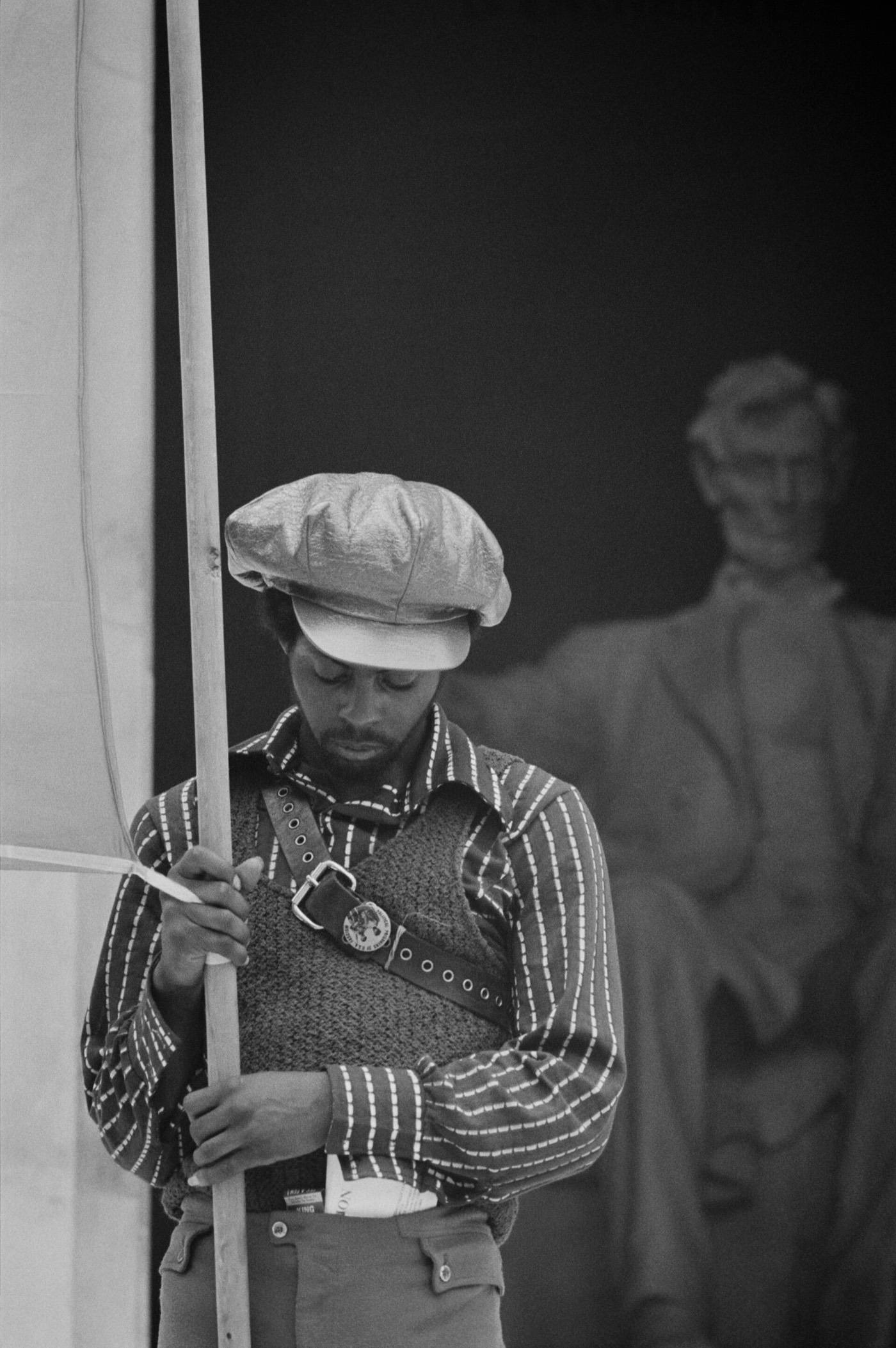
"When we allow ideology to blind us, we risk missing the opportunity for real progress."
The Middle Ground
In this cacophony of political extremes, the middle ground seems to be disappearing. The need for bipartisan dialogue is greater than ever, especially when it comes to executive actions that have far-reaching consequences. If both sides could step back and recognize the value of compromise, we might find solutions that benefit all Americans, rather than a narrow segment of the population.
For instance, instead of outright opposition to environmental reforms, the right could advocate for a balanced approach that involves industry leaders in drafting regulations that protect the environment without sacrificing economic viability. Meanwhile, the left could exercise restraint by ensuring that executive orders are used judiciously and with the necessary input from stakeholders across the political spectrum.
The Role of Public Opinion
Public opinion also plays a vital role in shaping the discourse surrounding executive orders. As citizens become more aware of the implications of these actions, their voices must be integrated into the conversation. The growing discontent among the electorate regarding both extremes could serve as a catalyst for a more moderate approach to governance. Voter engagement and activism can push politicians to prioritize the needs of the people over party allegiance.
Moreover, the media has a significant responsibility in this landscape. Rather than amplifying the noise created by extremists on both sides, journalists should strive to present nuanced analysis that informs the public about the complexities of the issues at hand. Responsible reporting can foster a more informed citizenry, capable of demanding accountability from their leaders.
Looking Forward
As we move forward, it is imperative that both the left and the right recognize the limitations of their current strategies. The nation is at a crossroads, and the choices made today will reverberate for generations. Leaders must be willing to engage with one another across ideological divides to address the pressing issues facing our country, from economic stability to environmental sustainability.
In the coming weeks, as more executive orders are rolled out and new policies are proposed, the real test will be the willingness of both sides to listen and adapt. Only through collaboration can we hope to build a future that reflects the diverse needs of the American populace.
✦ ✦ ✦