From the file. Written for the paper dated June 1977. Opened in the public stacks July 14, 2026.
In the ongoing debate surrounding steel tariffs, a closer examination of the procedural aspects reveals a tangled web of interests that both the left and the right seem eager to neglect.
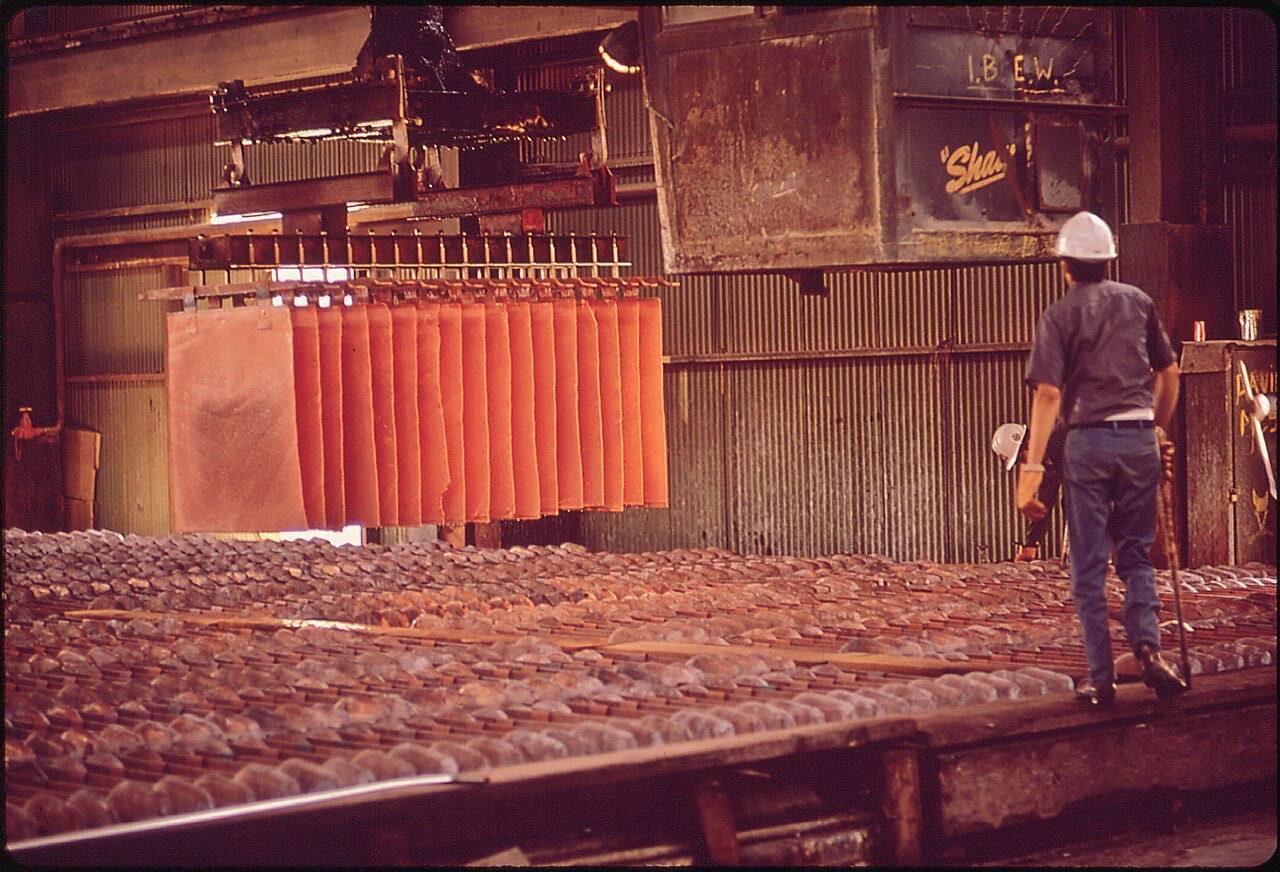
The Tariff Tug-of-War
As the nation grapples with economic challenges, the steel industry has become a focal point for policy discussions. Rising imports have sparked concerns over job losses and the long-term viability of American manufacturers. Politicians on both sides of the aisle are clamoring for action, but the underlying procedure governing the imposition of tariffs is seldom addressed.
On one hand, proponents of steel tariffs argue that protective measures are essential to safeguard American jobs and industries. They claim that without such tariffs, the flood of foreign steel will cripple domestic producers, leading to layoffs and factory closures. This argument resonates particularly well with labor unions and workers in the steel industry, who view tariffs as a necessary shield against competition.

Conversely, critics of the tariffs warn that protectionism could lead to retaliation from trading partners, ultimately harming American consumers with higher prices and reduced choices. They advocate for free trade principles, asserting that a competitive market will lead to innovation and efficiency. However, this perspective often glosses over the immediate repercussions for workers and communities reliant on steel production.
"In the face of global competition, we cannot afford to ignore the nuances of our tariff policies." - An anonymous industry analyst
The Hidden Costs of Tariffs
While the debate rages on, the procedural intricacies surrounding steel tariffs remain largely unexamined. The process of imposing tariffs is not merely a straightforward decision made by policymakers; it involves a complex interplay of economic data, industry lobbying, and sometimes, political maneuvering.
One of the key procedures in place is the investigation process mandated by the Trade Expansion Act of 1962. When a petition for tariffs is filed, the United States International Trade Commission (USITC) is required to conduct a thorough investigation. This can take months, with hearings that often feature testimonies from various stakeholders. Yet, the outcome of these investigations can be influenced by the very interests they are meant to evaluate.
For instance, large steel manufacturers often have the resources to mount significant lobbying efforts, potentially swaying the USITC’s findings. Meanwhile, smaller producers or those reliant on imported steel may feel voiceless in this process, their concerns drowned out by the louder voices of larger corporations. The result is a policy that may favor the few over the many, a reality that both the left and the right must confront.
A Call for Transparency
The lack of transparency in the tariff process is troubling. Both left-wing advocates and right-wing free-market champions seem reluctant to engage in an honest discussion about the implications of tariffs. The left often emphasizes the need for protection without adequately addressing the potential consequences for consumers and small businesses. Meanwhile, the right frequently champions free trade without recognizing the immediate plight of workers in the affected industries.
This situation calls for a more nuanced debate that considers the long-term implications of tariff policies. It is essential for all stakeholders - workers, consumers, and businesses alike - to have a seat at the table when these decisions are made. A more inclusive dialogue can lead to well-rounded policies that protect jobs while also considering the broader economic landscape.
Conclusion
As we move forward, it is imperative that the discourse surrounding steel tariffs shifts from a polarized argument to a comprehensive examination of the processes at play. Both the left and the right must confront their respective excesses and acknowledge the complex realities of trade policy. The future of American steel and the jobs it supports depends on our ability to have these crucial discussions.
✦ ✦ ✦