From the file. Written for the paper dated June 1977. Opened in the public stacks July 14, 2026.
Special counsels have become a fixture in the political landscape, yet public understanding of their role and the procedures surrounding them remains murky.

The Special Counsel Dilemma
As the nation navigates the turbulent waters of political accountability, the institution of the special counsel has come under increasing scrutiny. This mechanism was designed to provide an independent investigation into matters that could compromise the integrity of government officials. However, in practice, it has often led to more confusion than clarity.
The recent appointment of a special counsel to investigate allegations surrounding government misconduct has reignited debates about the efficacy and transparency of such investigations. On one hand, advocates argue that special counsels are essential for maintaining checks and balances within the government. On the other hand, critics contend that these inquiries can devolve into political witch hunts, fueled by partisan agendas rather than a genuine pursuit of justice.
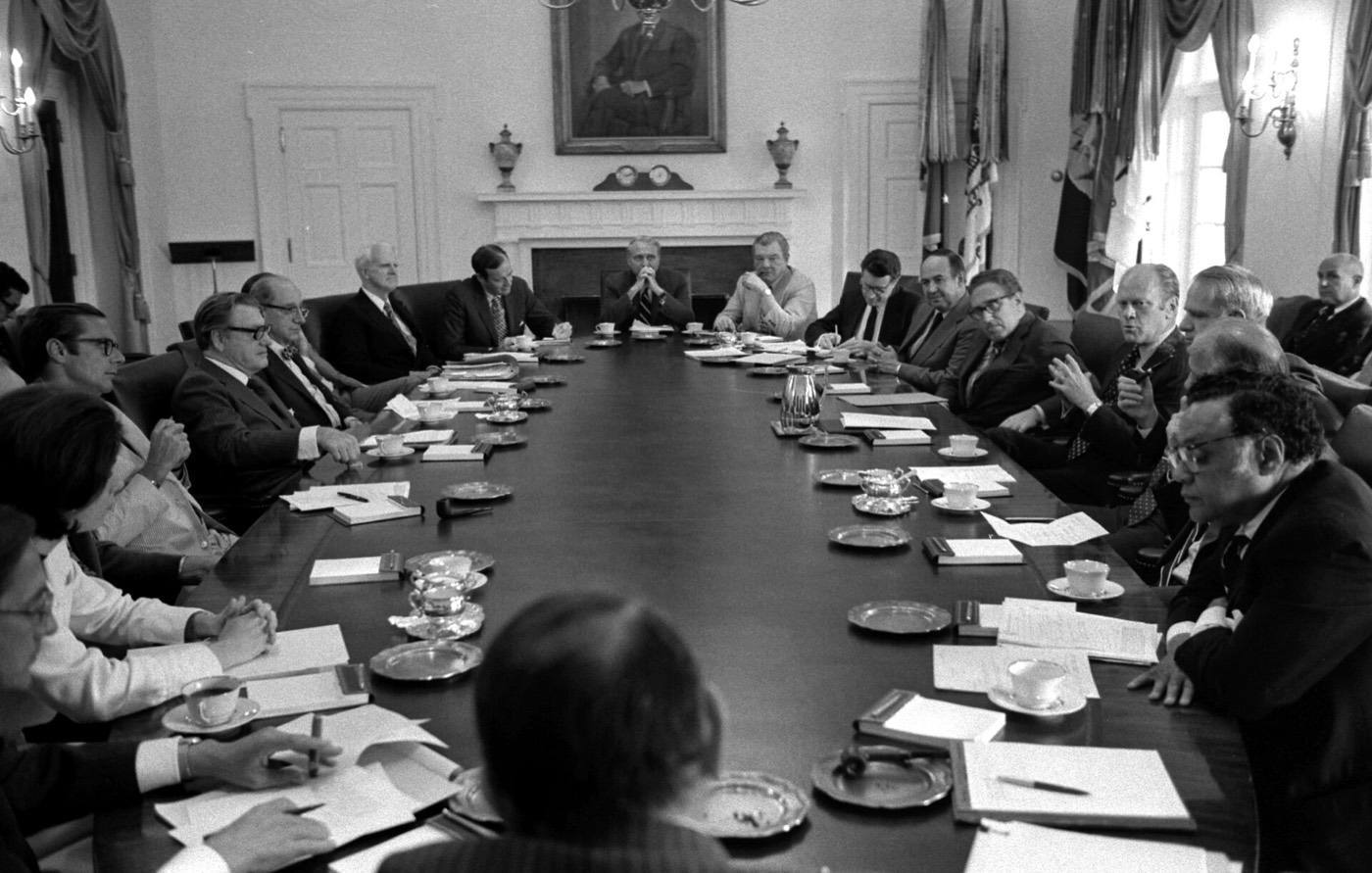
"The special counsel is often seen as a necessary evil, but its very existence raises questions about who holds power accountable."
This tension is exacerbated by the lack of clear guidelines governing the actions of special counsels. Once appointed, these figures operate with a significant degree of autonomy, raising questions about oversight and public trust. The opaque nature of their investigations can lead to a widespread perception of bias, regardless of the actual motivations behind their actions.
In recent months, we have witnessed both ends of the political spectrum wielding the concept of the special counsel to serve their interests. The left has been quick to demand independent investigations into perceived wrongdoings by their political adversaries, while the right has retaliated with accusations of overreach and conspiracy. Such a back-and-forth creates a toxic environment where the very idea of a fair investigation is called into question.
One must ask: what happens to the integrity of the judicial process when the search for accountability becomes entangled in political warfare? The essence of a special counsel's role should be to rise above partisan squabbles, yet the reality is that these investigations often become battlegrounds for ideological conflict.
Moreover, the public's perception of these inquiries can be shaped by sensationalist media coverage that often prioritizes drama over substance. Headlines can distort the truth, presenting a narrative that may not reflect the complexities involved in an investigation. This sensationalism feeds into the broader narrative of distrust that has permeated our political discourse.
Striking a Balance
Addressing the excesses from both sides of the political aisle is crucial if we are to restore faith in the institution of the special counsel. The left must be wary of using investigations as a tool for political gain, while the right must recognize that accountability is essential for a functioning democracy. Both must strive for a more measured approach that prioritizes truth over triumph.
The excessive politicization of special counsels detracts from their intended purpose. Instead of serving the common good, they often serve as a lightning rod for political strife. The conversations surrounding these investigations should not be reduced to partisan talking points, but should instead focus on ensuring that the process is fair, transparent, and accountable.
In conclusion, the special counsel system stands at a crossroads. As the country grapples with the implications of its use, it is essential for both the left and right to recognize the potential for abuse and the importance of maintaining an unbiased, impartial investigative process. The stakes are high, and the call for accountability must not come at the expense of justice.
✦ ✦ ✦