From the file. Written for the paper dated June 1977. Opened in the public stacks July 14, 2026.
As oil prices continue to spiral upward, the underlying mechanisms behind these fluctuations remain largely unexamined by the public and policymakers alike. Amid escalating prices, it is vital to peel back the layers of this complex issue.
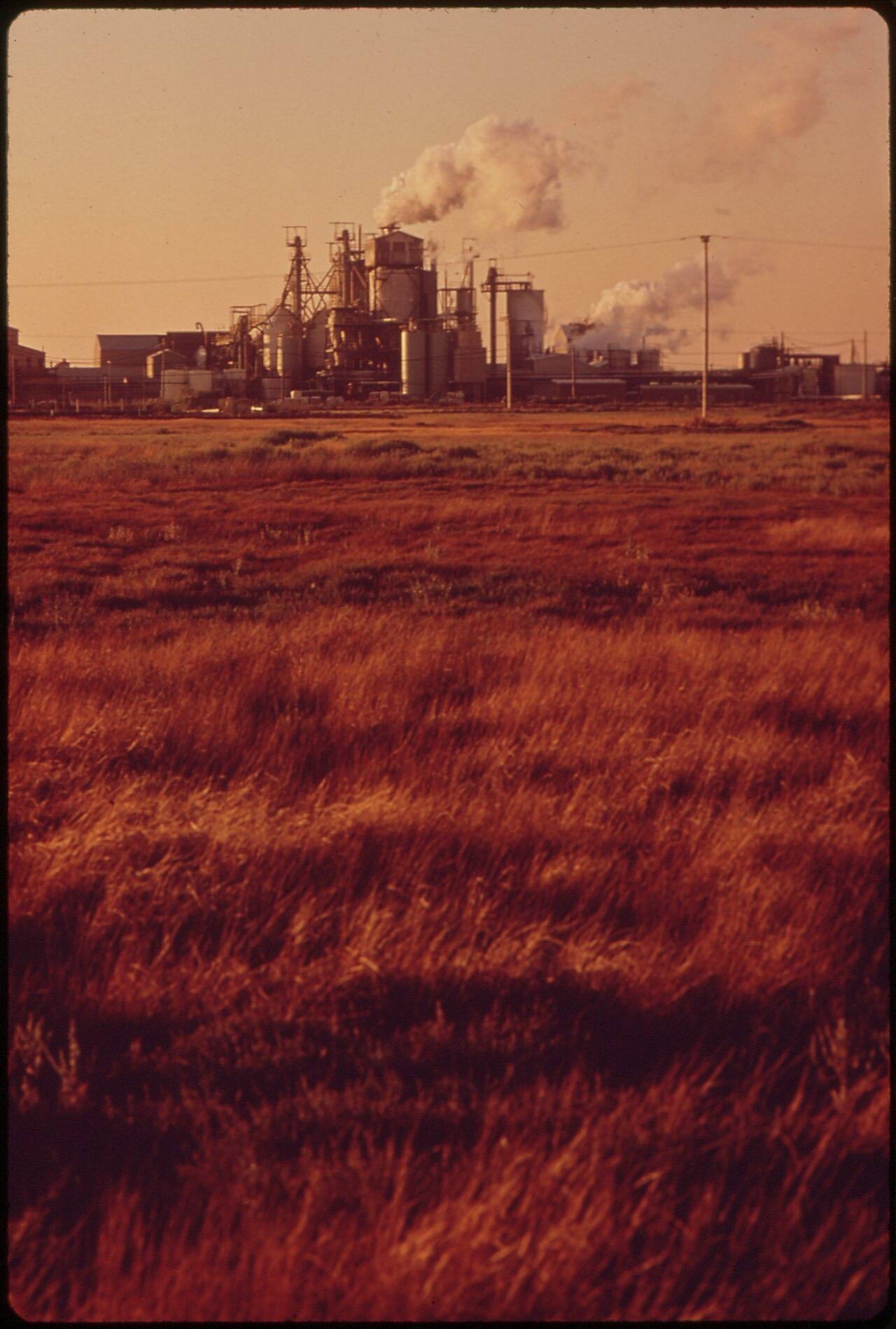
A Dissection of the Market
The recent surge in oil prices has inflamed passions across the political spectrum. Left-leaning advocates decry corporate greed and monopolistic practices, while their right-wing counterparts point fingers at government regulations and foreign policies. Yet, both sides seem to overlook a fundamental truth: the oil market is driven by a confluence of factors, many of which are beyond simple ideological blame.
In recent months, we have seen prices climb due to a variety of reasons, including geopolitical tensions, OPEC's production decisions, and a growing global demand. Yet, the conversation often stops there, leaving the public with little understanding of the intricate web that constitutes the oil market. The reluctance to delve into the procedural aspects of pricing is a glaring gap in the discourse.
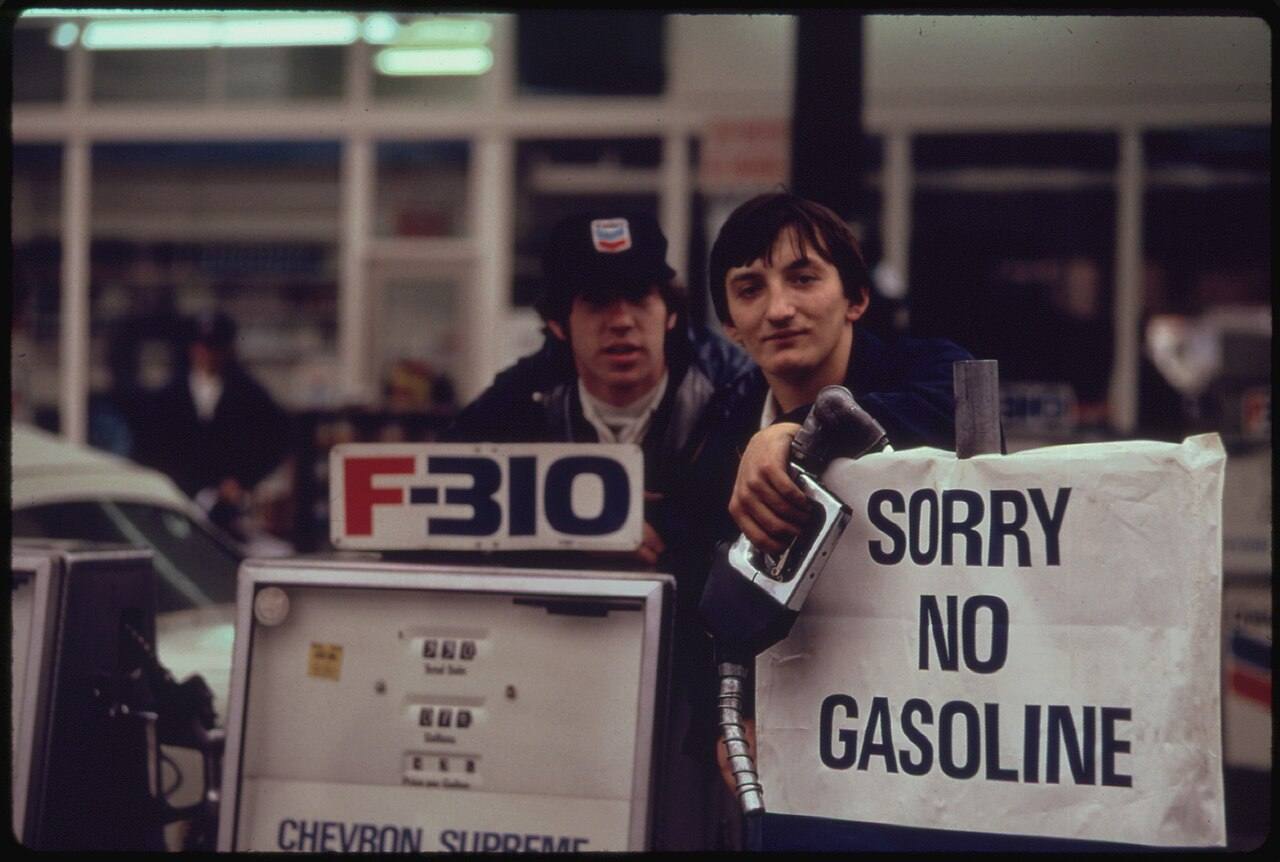
“Both left and right are guilty of oversimplifying the complex dynamics of oil pricing.”
The Role of OPEC
OPEC, the Organization of the Petroleum Exporting Countries, has often been the scapegoat for rising oil prices. Critics on the left claim that OPEC's monopoly allows it to manipulate prices at will, while conservatives argue that its existence stifles competition and innovation in the energy sector. However, the reality is more nuanced.
OPEC's decisions do indeed influence prices, but they are often a reaction to broader market conditions. The organization must navigate a labyrinth of economic pressures, including the output levels of non-OPEC countries, the ever-changing geopolitical landscape, and even environmental regulations that may impact production capabilities. Dismissing OPEC as merely a villain ignores the multifaceted nature of global oil trade.
Domestic Policies and Their Impact
On the domestic front, government policies play a critical role in shaping oil prices. The left often promotes stricter regulations aimed at protecting the environment, which can inadvertently lead to increased costs for oil companies and, ultimately, consumers. Conversely, the right pushes for deregulation, arguing that it fosters competition and drives prices down. Yet, what both sides fail to recognize is that a balanced approach is necessary.
Instead of engaging in a tug-of-war over regulations, a collaborative effort to create policies that encourage both environmental responsibility and market competitiveness is needed. The current atmosphere of excess - whether it is the environmental zealotry of the left or the laissez-faire attitude of the right - has led to a stunted dialogue on how to address the real issues at hand.
Public Perception and Misinformation
Another issue complicating the discourse is the role of public perception. An uninformed public is easily swayed by sensational headlines and political rhetoric. The left’s narrative of corporate greed often oversimplifies the complexities of market dynamics, while the right’s focus on free-market principles can gloss over the need for ethical considerations in energy production.
To combat misinformation, a more informed electorate is essential. This could be achieved through educational initiatives that explain the intricacies of the oil market and the role of various stakeholders, including consumers. A well-informed public can help foster a more constructive dialogue surrounding energy policies and pricing.
The Path Forward
Ultimately, the discourse surrounding oil prices must evolve beyond the oversimplified narratives of both the left and the right. Each side has valid points, but neither can claim ownership of the complete truth. To move forward, we must embrace a holistic view that considers the interplay of global economics, domestic policies, and environmental responsibilities.
As we continue to grapple with rising oil prices, it is imperative that we engage in a more meaningful discussion, one that transcends partisan divides. Only then can we hope to arrive at solutions that benefit all stakeholders in the energy market.
✦ ✦ ✦