From the file. Written for the paper dated January 1977. Opened in the public stacks July 14, 2026.
As the nation's curiosity about science and technology grows, public laboratories across the country are opening their doors to the public, inviting citizens to engage with the very research that shapes their lives. This week, we explore the implications of such open houses, highlighting both the enthusiasm for scientific inquiry and the potential for politicization that accompanies it.
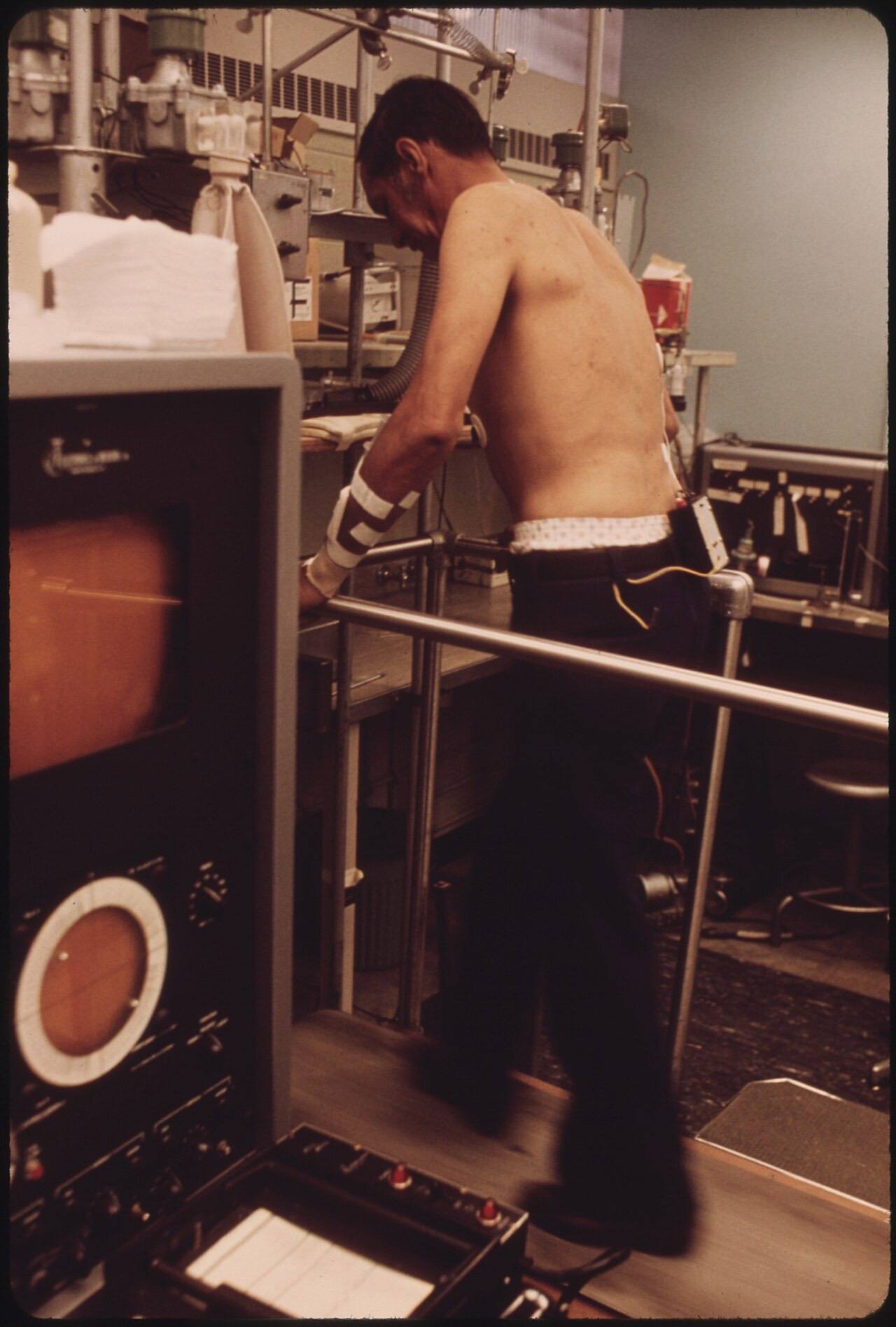
Access and Accountability
The recent trend of public lab open houses aims to bridge the gap between scientists and citizens, fostering a greater understanding of scientific processes and enhancing transparency. These initiatives often feature guided tours, demonstrations, and interactive exhibits designed to demystify the workings of research institutions. While the motivation behind these open houses is commendable, one cannot help but question the underlying incentives driving both the scientific community and policymakers.
On one hand, scientists are increasingly aware that their work does not exist in a vacuum. The public's trust in science is paramount, especially as funding for research remains a contentious topic. By inviting the public into their labs, researchers can showcase the importance of their work, potentially swaying public opinion and securing continued financial support. In a climate where anti-establishment sentiments are rising, this outreach is not merely altruistic; it is a strategic move to foster goodwill and justify the funding they receive from the government and private sectors.
Conversely, politicians also see the value in promoting public engagement with science. By endorsing such open houses, they can project an image of progressiveness, aligning themselves with the public's interest in education and innovation. This alignment, however, can lead to an unintended consequence: the co-opting of scientific inquiry for political gain. When scientists and politicians team up, there is a danger that the pursuit of truth may be overshadowed by the need for favorable public relations.
"The challenge lies in ensuring that science remains a pursuit of knowledge, not a pawn in the political game."
Dangerous Polarization
As we navigate the current political landscape, it is essential to recognize the dangers of polarization that can arise from open lab initiatives. On the left, there are calls for increased government funding for scientific research, often presented as a panacea for social issues ranging from health care to environmental concerns. While the desire to support science is noble, the push for funding must be balanced against the realities of government budgets and priorities. Excessive demands for funding without a clear understanding of fiscal responsibility could lead to disillusionment, both with science and with the government.
On the right, the skepticism toward scientific authority continues to gain traction. A segment of the population views open lab initiatives as another example of government overreach, further entrenching the belief that scientists are out of touch with everyday concerns. Some argue that these events serve as mere publicity stunts rather than genuine attempts to engage the public in meaningful dialogue. This skepticism threatens to undermine the collaborative spirit that open houses seek to foster.
The Role of Education
In this age of scientific advancement, education is the linchpin that holds the potential for a more informed public. Open lab events can serve as a platform for education, but they must be approached with a clear understanding of their purpose. It is imperative that these initiatives prioritize genuine engagement over mere optics. The danger lies in letting political agendas dictate the narrative surrounding scientific inquiry.
To truly capitalize on the benefits of public lab open houses, both sides of the political spectrum must recognize that science is not a tool for partisanship, but rather a collective endeavor aimed at improving society. Scientists must communicate their findings in accessible language, while politicians must resist the temptation to exploit scientific advancements for political mileage. The challenge lies in creating a balanced approach that values scientific integrity while fostering public interest.
A Call for Balance
As we move forward into 1977, it is crucial for both scientists and politicians to approach public lab open houses with a sense of responsibility. The potential for enhancing public understanding of science is immense, but it must not come at the cost of scientific integrity. By fostering an environment of genuine engagement, we can ensure that the quest for knowledge remains a priority, free from the shackles of political agendas.
In conclusion, the success of public lab open houses will ultimately depend on the commitment from both scientists and policymakers to prioritize the public good over political gain. Only then can we hope to create a society that values scientific inquiry and embraces the potential for progress that lies within it.
✦ ✦ ✦