From the file. Written for the paper dated December 1976. Opened in the public stacks July 14, 2026.
As the economy wades into the murky waters of December, the latest reports on factory orders reveal not just numbers, but the narratives - told and untold - behind those figures.
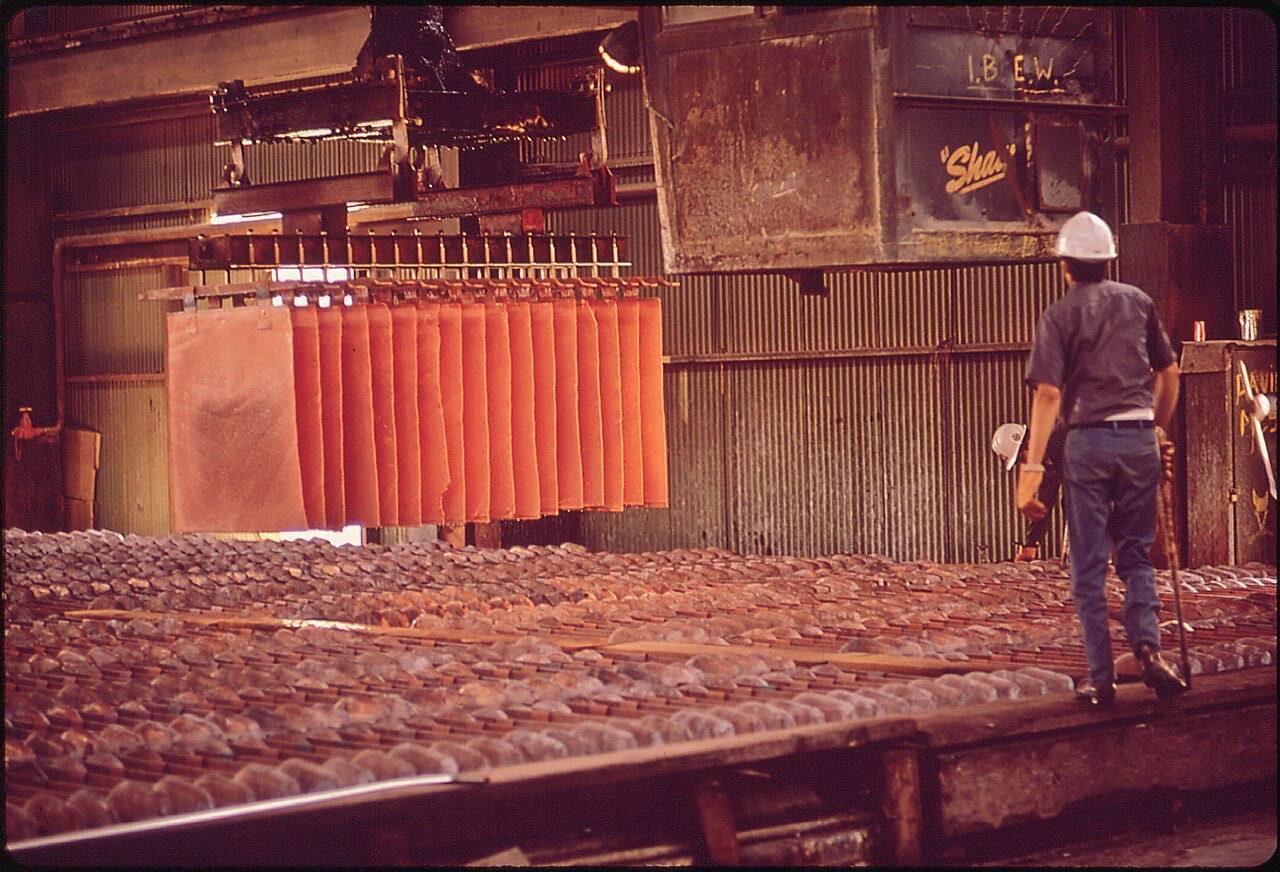
Understanding Factory Orders
Factory orders are a crucial indicator of economic health, reflecting the demand for manufactured goods. They provide insight into how businesses are planning for the future, making investments in production, and ultimately shaping employment levels across the nation. However, the release of these figures often lacks the depth needed for a comprehensive understanding of the economic landscape.
In recent months, we have seen fluctuations in factory orders, which have raised eyebrows among economists and policymakers alike. The fluctuations are often attributed to various factors, including consumer confidence, material costs, and international trade dynamics. But what remains unaddressed in the analysis of these statistics is the broader context that shapes them - context that is critical for a holistic view of the economy.

What Gets Left Out
While the Commerce Department's reports offer a snapshot of orders for items ranging from machinery to automobiles, they often gloss over the implications of these numbers on the workforce. For instance, a rise in factory orders may signal optimism, but without an accompanying analysis of job creation or wage growth, the numbers can be misleading. A factory might ramp up production, but if it does so with automation or without hiring additional workers, the overall impact on employment remains muted.
"The statistics tell one story, but the human element is often left out of the equation."
This omission is particularly problematic in an era where the labor market is feeling the strain of inflation and economic uncertainty. Workers have been grappling with stagnant wages while the cost of living continues to rise. As factory orders rise, it is essential to ask: who benefits from this growth? Are workers truly sharing in the prosperity that these orders are meant to indicate?
The Left and Right: A Clash of Narratives
In the current political climate, both sides of the aisle are quick to seize upon factory orders as evidence of their respective economic philosophies. The right often touts rising orders as a victory of free-market principles, crediting deregulation and lower taxes. On the other hand, the left may highlight the need for government intervention to ensure that the benefits of increased production flow to the workers rather than being siphoned off by corporate profits.
Both narratives have merit but also exhibit glaring excesses. The right's celebration of factory orders often ignores the precarious nature of many jobs in manufacturing. The left's focus on equitable distribution frequently overlooks the need for businesses to remain competitive in a global market. Both extremes can lead to policies that either stifle growth or inhibit fair labor practices.
Factory Orders and the Global Market
Another significant aspect often omitted in discussions about factory orders is the impact of global trade. Orders can be influenced by international demand, and the interconnectedness of the global economy makes it essential to consider foreign markets. For example, a surge in orders for automobiles may be driven by demand from overseas markets, rather than domestic consumer spending. Yet, this nuance rarely makes it into mainstream analysis.
The Future of Factory Orders
As we look toward the new year, the trajectory of factory orders will likely remain a hot topic among economists and politicians. However, a more nuanced approach is necessary for understanding what these numbers truly represent. It's crucial for analysts to consider the human stories behind the statistics, the implications for the workforce, and the global influences that shape our domestic economy.
In an era marked by political polarization, it is imperative that we seek out a balanced narrative that captures the complexities of the manufacturing sector. The numbers alone do not tell the whole story; they are merely a piece of a much larger puzzle. Without a comprehensive understanding of the implications of factory orders, we risk implementing policies that do not serve the best interests of either workers or the economy as a whole.
✦ ✦ ✦