From the file. Written for the paper dated November 1976. Opened in the public stacks July 14, 2026.
As hospital costs continue to rise, a closer examination of the numbers reveals a complex interplay between necessity and excess on both sides of the healthcare debate.

Understanding the Surge in Hospital Expenses
The American public is increasingly aware of the rising hospital costs, yet a cursory glance at the numbers often leads to misconceptions. Critics from various political arenas blame each other for these escalating expenses, but the reality is far more nuanced. While the left often points to corporate greed and the right decries government regulation, both oversimplify a situation that is multifaceted and deeply rooted in the structure of our healthcare system.
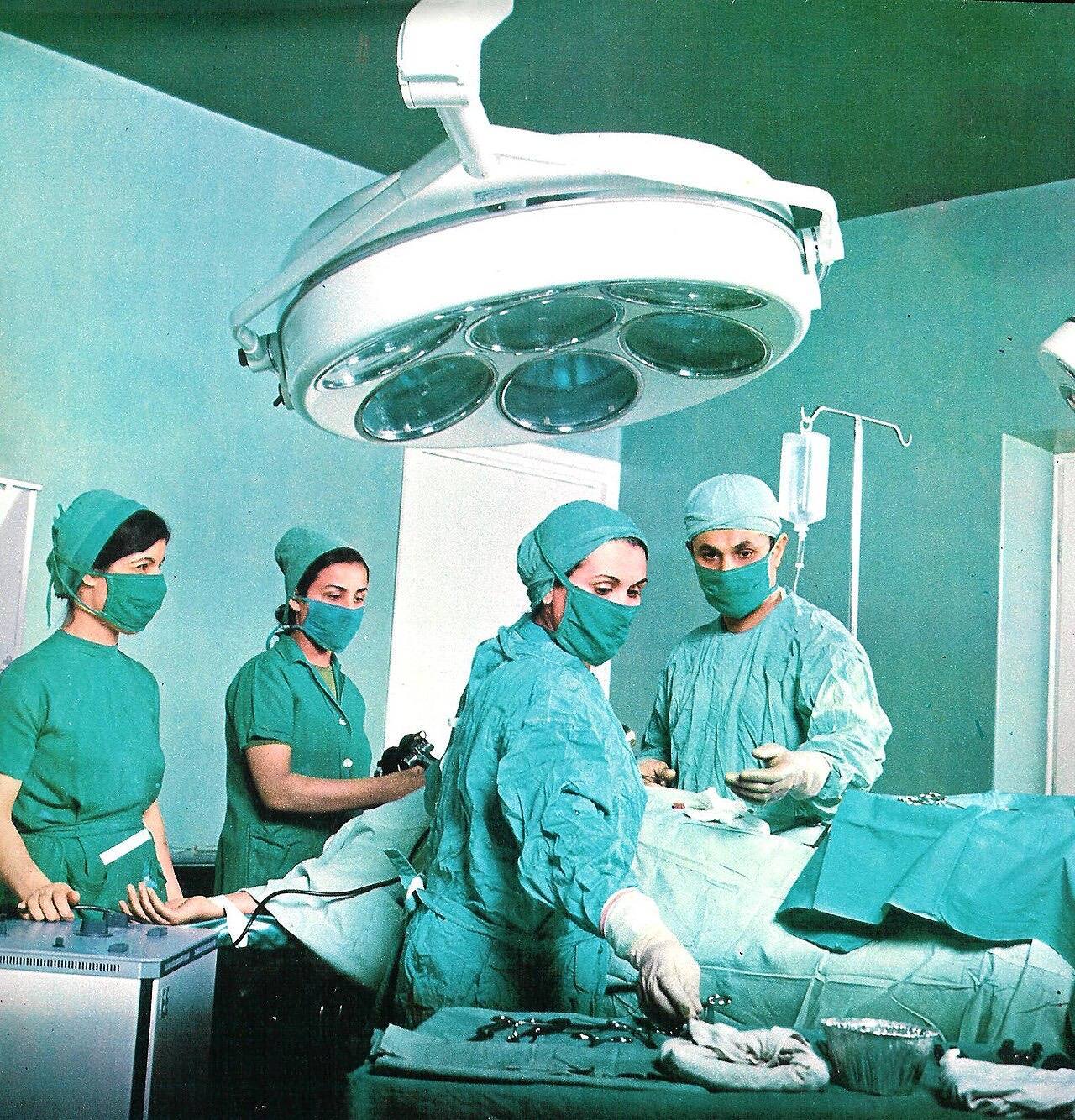
Recent reports indicate that the average cost of a hospital stay has soared, leaving many families struggling to cover their medical bills. But are these costs merely the result of greedy hospital administrators? Not quite. In fact, a significant portion of these expenses can be traced back to the increasing complexity of medical procedures and the advancements in technology. Hospitals are now equipped to handle a broader range of ailments, and that comes with a price tag.
The Role of Insurance and Government Programs
Compounding the issue is the role of insurance companies and government programs like Medicare and Medicaid. These programs provide essential support for many, yet their very existence has led to a paradoxical increase in costs. With insurance covering a large portion of hospital expenses, patients are often shielded from the true cost of care, leading to a lack of price sensitivity. This disconnection can encourage hospitals to inflate costs, knowing that patients will likely not bear the full burden of those expenses.
"The rising hospital costs are not merely a symptom of corporate greed; they reflect deeper systemic issues within our healthcare framework."
On the other hand, some right-leaning commentators argue that the solution lies in reducing government intervention. They propose that deregulation would foster competition among hospitals, theoretically driving prices down. However, this perspective often overlooks the fact that many rural and underserved areas rely on government support to maintain their healthcare facilities. Stripping that support could lead to closures and greater disparities in access to care.
Examining the Data
When analyzing the statistics surrounding hospital costs, it is vital to consider the various factors that contribute to these numbers. For instance, a study conducted earlier this year indicated that administrative costs have risen dramatically, accounting for nearly one-third of total hospital expenditures. This suggests a significant inefficiency in how hospitals operate, which both the left and right fail to address adequately.
Moreover, the increasing demand for specialized care has also driven up costs. As hospitals invest in new technologies and highly trained staff to meet the needs of an aging population, these expenses translate into higher charges for patients. While advancements in medicine are crucial, the financial implications cannot be ignored. Both sides of the aisle must confront this reality rather than blaming each other for the rising costs.
A Call for Balanced Solutions
As we navigate this complex landscape, it is essential for policymakers to pursue balanced solutions that address the root causes of rising hospital costs. Rather than engaging in partisan finger-pointing, there needs to be a concerted effort to improve efficiency within healthcare systems, reduce administrative burdens, and ensure that advancements in care are financially sustainable.
Furthermore, fostering greater transparency in hospital pricing can empower patients to make informed decisions about their healthcare. If patients are aware of costs upfront, they may be more inclined to seek out lower-cost options or negotiate their bills. This, in turn, could incentivize hospitals to provide more competitive pricing.
Conclusion: Moving Forward
As the debate around hospital costs intensifies, it is crucial for both sides to engage in constructive dialogue rather than resorting to blame. The reality is that the rising costs are a symptom of systemic issues requiring comprehensive reform. Policymakers, healthcare providers, and patients must work hand in hand to create a more equitable and efficient healthcare system that serves all Americans without compromising the quality of care.
✦ ✦ ✦