From the file. Written for the paper dated October 1976. Opened in the public stacks July 14, 2026.
In an era marked by escalating tensions between labor and management, recent union elections have underscored a growing sentiment among workers: certainty is the most sought-after commodity.
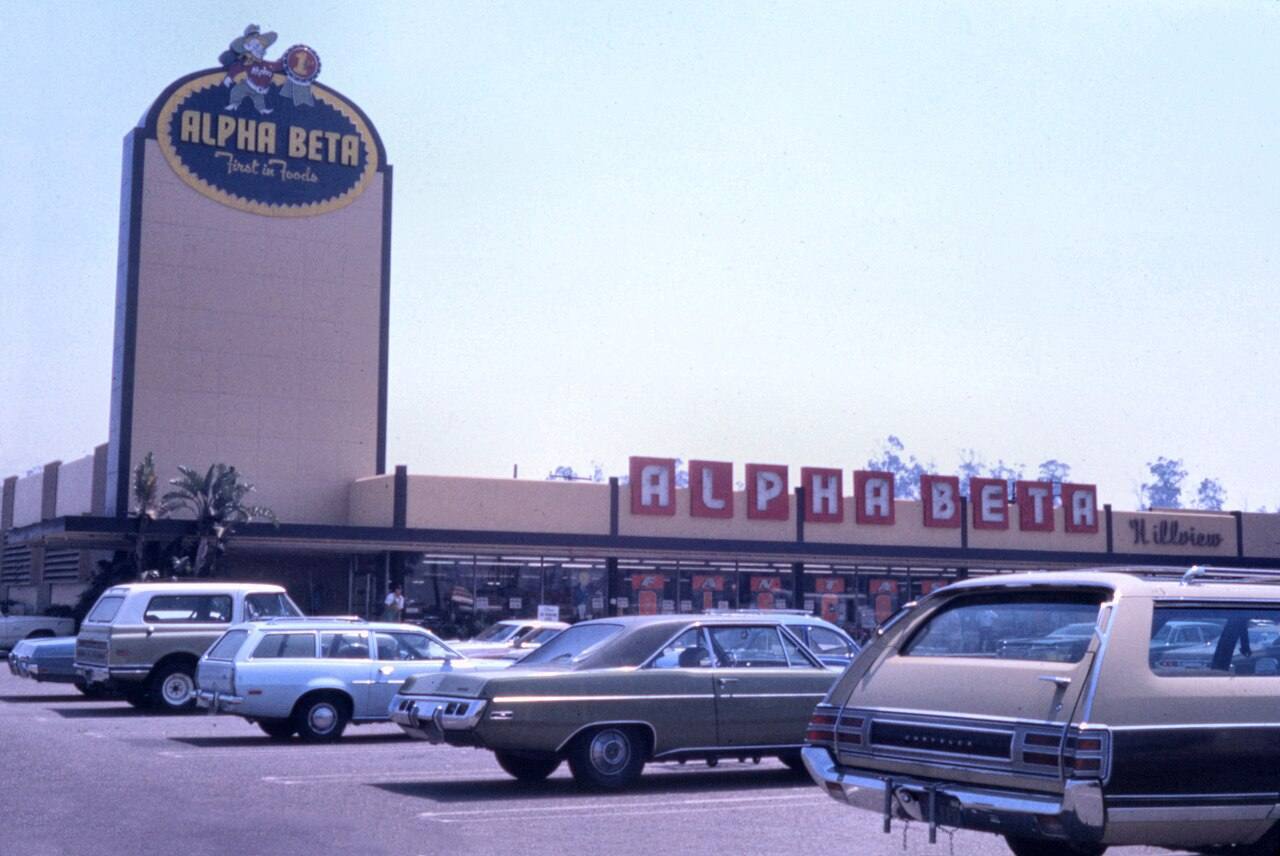
Unions in Flux
As we enter October, the air is thick with anticipation as workers across various industries prepare to cast their votes in union elections. The stakes have never been higher, with both sides of the labor-management divide keenly aware that the outcome will shape the future of workplace rights and conditions. Yet, amidst this backdrop of uncertainty, one thing is clear - many workers are prioritizing stability over ideology.
Union membership has always served as a sturdy lifeline for workers seeking better wages, benefits, and working conditions. However, recent trends indicate that as workers head to the polls, they are increasingly drawn to unions that promise a clear and predictable path forward, rather than those that engage in ideological battles. This shift suggests that a growing number of workers are looking for a practical approach to labor relations.
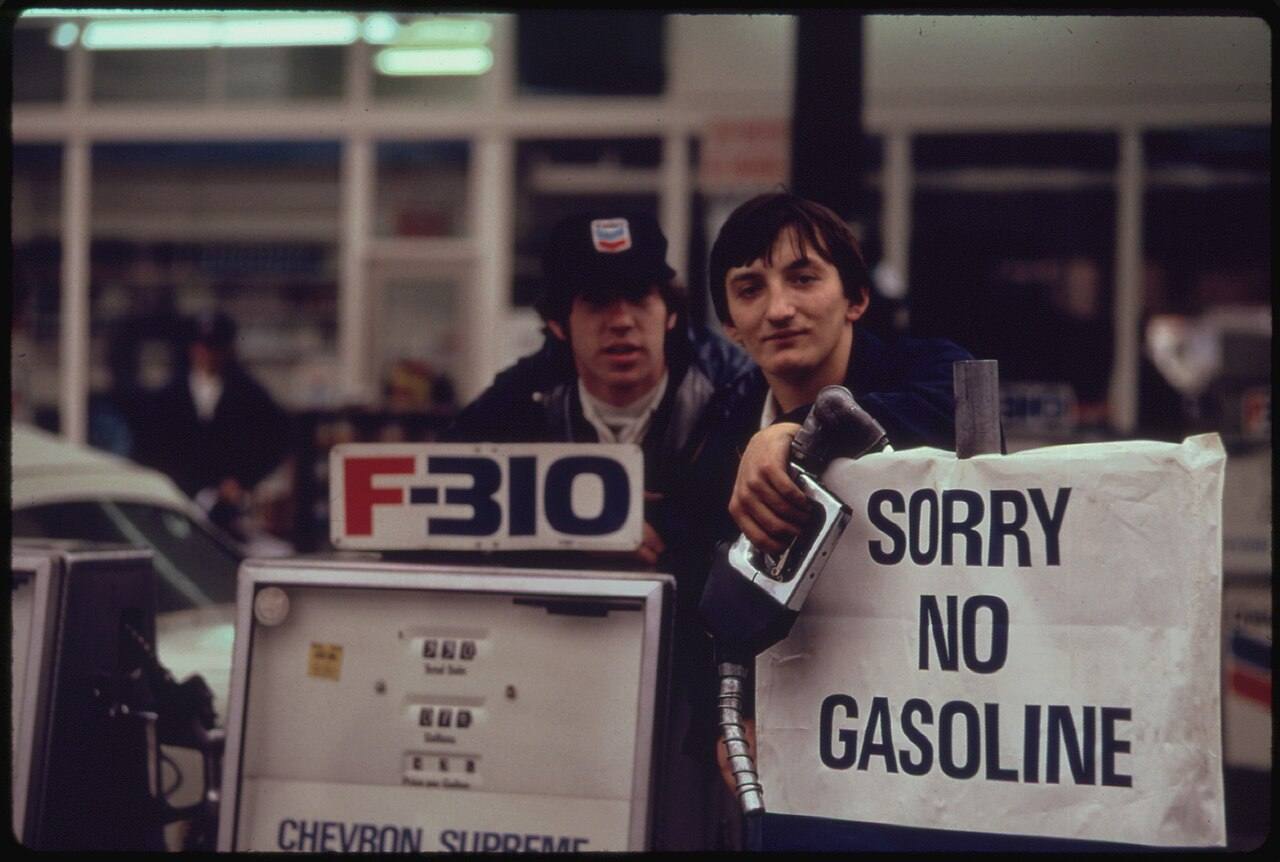
"Workers are tired of the rhetoric. They want results, not just promises."
The Right and Left Divide
As the election season unfolds, both the left and the right are vying for the attention of the labor force, often with excessive zeal. The far-left factions within the union movement continue to push for radical reforms that might alienate moderate workers seeking incremental change. Their calls for sweeping systemic overhauls have the potential to instill fear among those who simply want a seat at the table, rather than a revolution.
On the flip side, the right has been quick to seize the moment, portraying unions as outdated relics that stifle economic growth and individual initiative. They argue that the modern workforce should be empowered to negotiate their own terms without the interference of organized labor. This extreme rhetoric can often lead to a dismissive attitude toward the rightful grievances of workers, thus undermining the very foundation of labor rights.
Certainty Over Ideology
It is within this climate of polarized views that many workers have begun to gravitate toward unions that offer concrete solutions rather than lofty ideals. A union that provides a clear agenda - such as improved safety regulations, predictable hours, and fair pay - appears more appealing than one that promises sweeping changes that may never materialize. Workers want to know what they are voting for, and how it will impact their daily lives.
This desire for certainty is a reaction to the broader economic climate. With inflation on the rise and job security feeling ever more tenuous, many workers are reluctant to gamble on radical changes that may jeopardize their livelihoods. Instead, they are looking for unions that can deliver on immediate needs and offer reliable support. The focus is shifting from ideological loyalties to practical outcomes.
A Call for Pragmatism
As the election dates approach, it is imperative for union leaders on both sides of the spectrum to recognize this shift in worker sentiment. Rather than engaging in ideological posturing, the emphasis should be on pragmatism and results. Unions that can articulate a clear plan for achieving tangible improvements in working conditions will likely find themselves with the support of a majority of voters.
Conclusion: A New Path Forward
In conclusion, the upcoming union elections are a litmus test for the future of organized labor in America. The challenges posed by far-left and far-right ideologies create an environment of confusion and division that can detract from the core message of worker solidarity. The demand for certainty and practical solutions is loud and clear, and it falls on union leaders to heed this call. As workers prepare to cast their votes, let us hope that the outcome reflects a commitment to pragmatic progress rather than divisive rhetoric.
✦ ✦ ✦