From the file. Written for the paper dated October 1976. Opened in the public stacks July 14, 2026.
As the political landscape continues to evolve in 1976, the issue of lobbying disclosure has come to the forefront of national discourse, raising questions about transparency and accountability in our democracy.

The Growing Demand for Accountability
In a time when trust in government is waning, the call for lobbying disclosure is louder than ever. Citizens across the nation are waking up to the reality that money often dictates policy, and they are demanding to know who is pulling the strings. This heightened awareness is not merely a symptom of political fatigue; it is a necessary step toward restoring integrity in our governmental institutions.
However, amidst this fervor for transparency, we find ourselves at a crossroads. On one hand, the left advocates for stringent regulations that would require lobbyists to fully disclose their activities and financial contributions. This push is rooted in a genuine desire to protect democratic values and ensure that the voices of the electorate are not drowned out by the clamor of special interests. On the other hand, some factions on the right argue that such regulations could stifle free speech and inhibit the ability of organizations - be they labor unions, corporations, or advocacy groups - to express their views in the political arena.
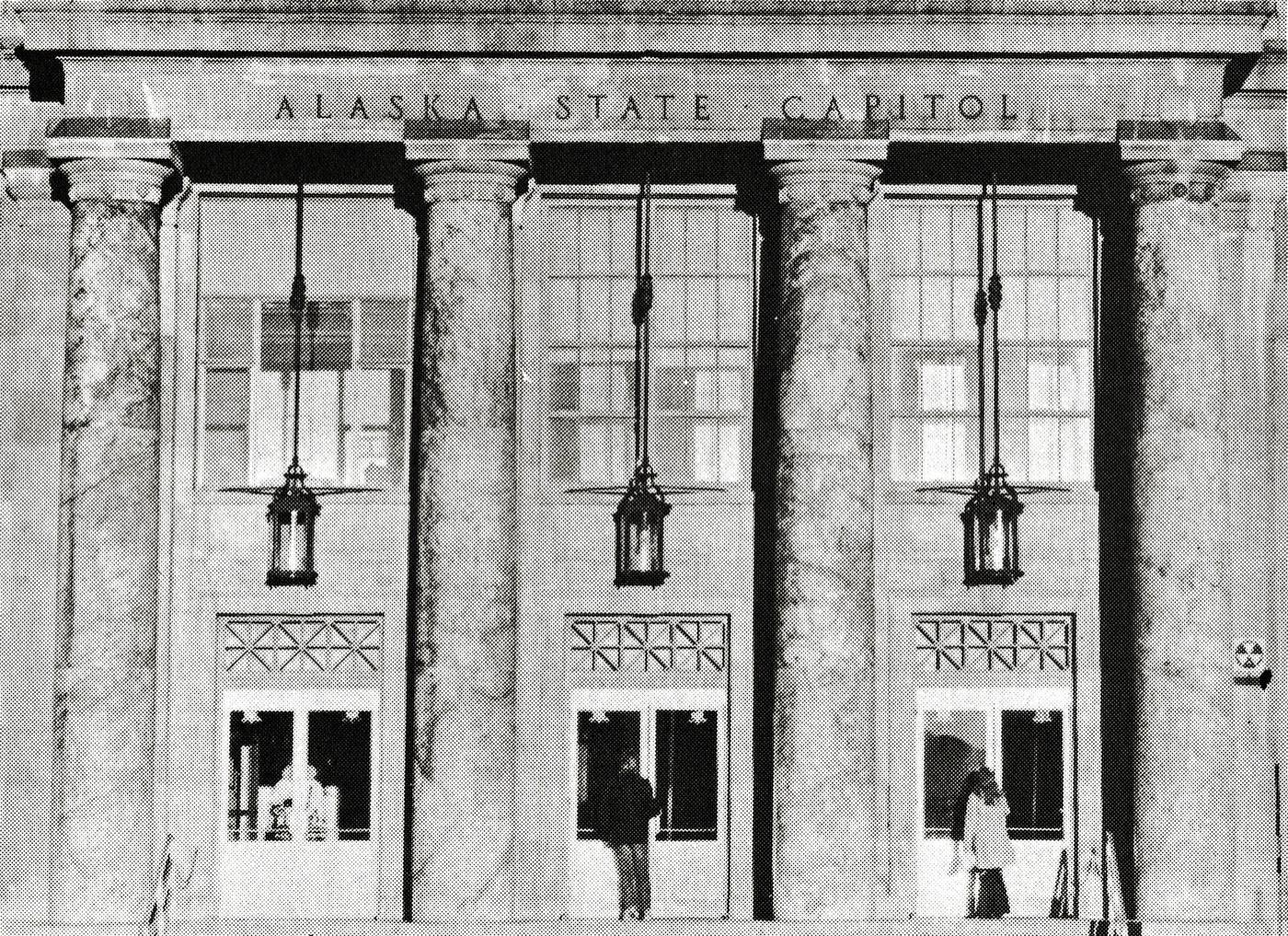
"In a democracy, knowledge is power. We must demand to know who influences our lawmakers and how."
The Complications of Disclosure
Yet, the debate over lobbying disclosure is often clouded by extremes. Those on the left can be overly zealous, labeling any opposition to their proposals as an affront to democratic principles. This approach risks alienating moderate voices who may agree on the need for transparency but fear the potential overreach of regulatory measures.
Conversely, the right’s resistance to increased disclosure often comes off as a cynical defense of the status quo. It is as if they are suggesting that the public should simply trust that lobbyists will act in the best interest of society without any oversight. This position neglects the reality that unchecked influence can lead to corruption and policy that favors a select few over the many.
A Call for Balanced Solutions
What we need is a balanced approach that allows for transparency without sacrificing the essential freedoms that underpin our democracy. The challenge lies in crafting legislation that addresses the concerns of both sides. Perhaps a tiered system of disclosure could be the answer - one that requires significant contributions to be reported while allowing smaller entities to operate with fewer restrictions. This compromise could foster an environment where transparency thrives without suffocating voices in the process.
The Role of the Media
The media also has a vital role to play in this discussion. As watchdogs of democracy, journalists must continue to expose the intricacies of lobbying and the influence it wields over policymaking. Investigative reporting can shine a light on dark corners where undue influence may lurk, holding both lobbyists and lawmakers accountable for their actions.
Moreover, the media must strive to present this issue without bias, ensuring that all perspectives are heard. While sensationalism may attract viewership, it can also distort the public's understanding of complex issues. A well-informed electorate is crucial to making sound decisions regarding lobbying practices and their implications for governance.
Looking Ahead
As we continue to navigate the tumultuous waters of political reform, it is imperative that we remain vigilant. The conversation surrounding lobbying disclosure is far from over. We must hold our representatives accountable for their actions, ensuring that they prioritize the interests of their constituents over those of wealthy lobbyists.
Ultimately, we must strive for a political system that is transparent, fair, and representative of all citizens, not just those with the deepest pockets. The push for lobbying disclosure is a critical step in this ongoing journey, and it is our responsibility to engage actively in the conversation, demanding clarity and accountability from those who govern us. Only by doing so can we hope to restore faith in our democratic institutions.
✦ ✦ ✦