From the file. Written for the paper dated October 1976. Opened in the public stacks July 14, 2026.
In an age where information is king, the current climate surrounding intelligence estimates reflects more than just data; it reveals a growing thirst for certainty among Americans.
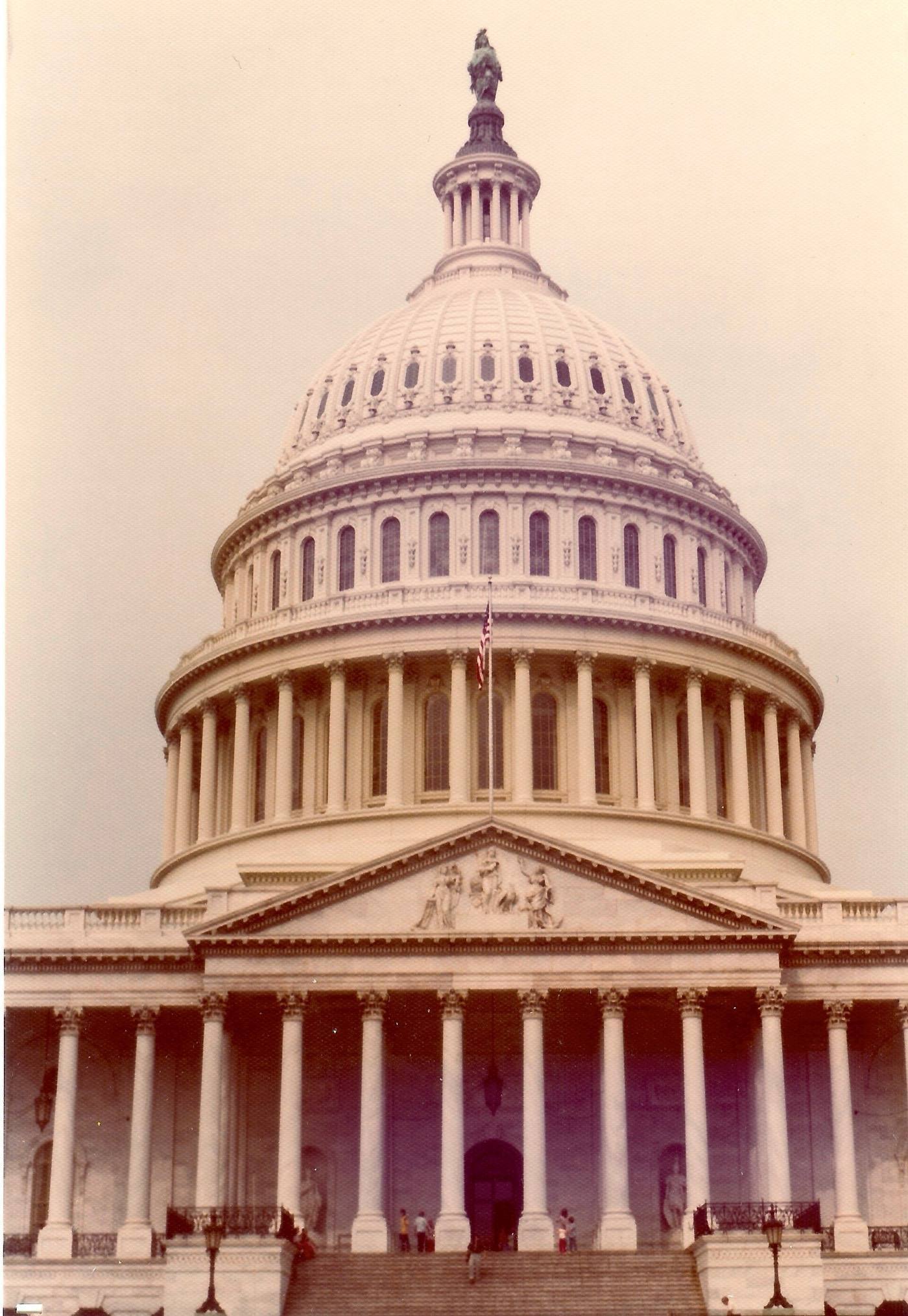
Certainty in Uncertain Times
As the nation grapples with inflation, a contentious presidential election cycle, and foreign policy dilemmas, the public's demand for clear and decisive answers has never been more pronounced. The prevailing sentiment is that in a world rife with ambiguity, the allure of certainty is selling briskly. How did we arrive at this juncture, where intelligence estimates serve not only as assessments but also as commodities?
The intelligence community has long been cloaked in an air of mystery, often perceived as an entity operating behind the veil of secrecy. Yet, recent developments indicate a shift. The public is not only interested in the findings of these estimates but is also eager to understand the rationale behind them. This heightened scrutiny has led to a newfound accessibility of information, albeit with caveats.
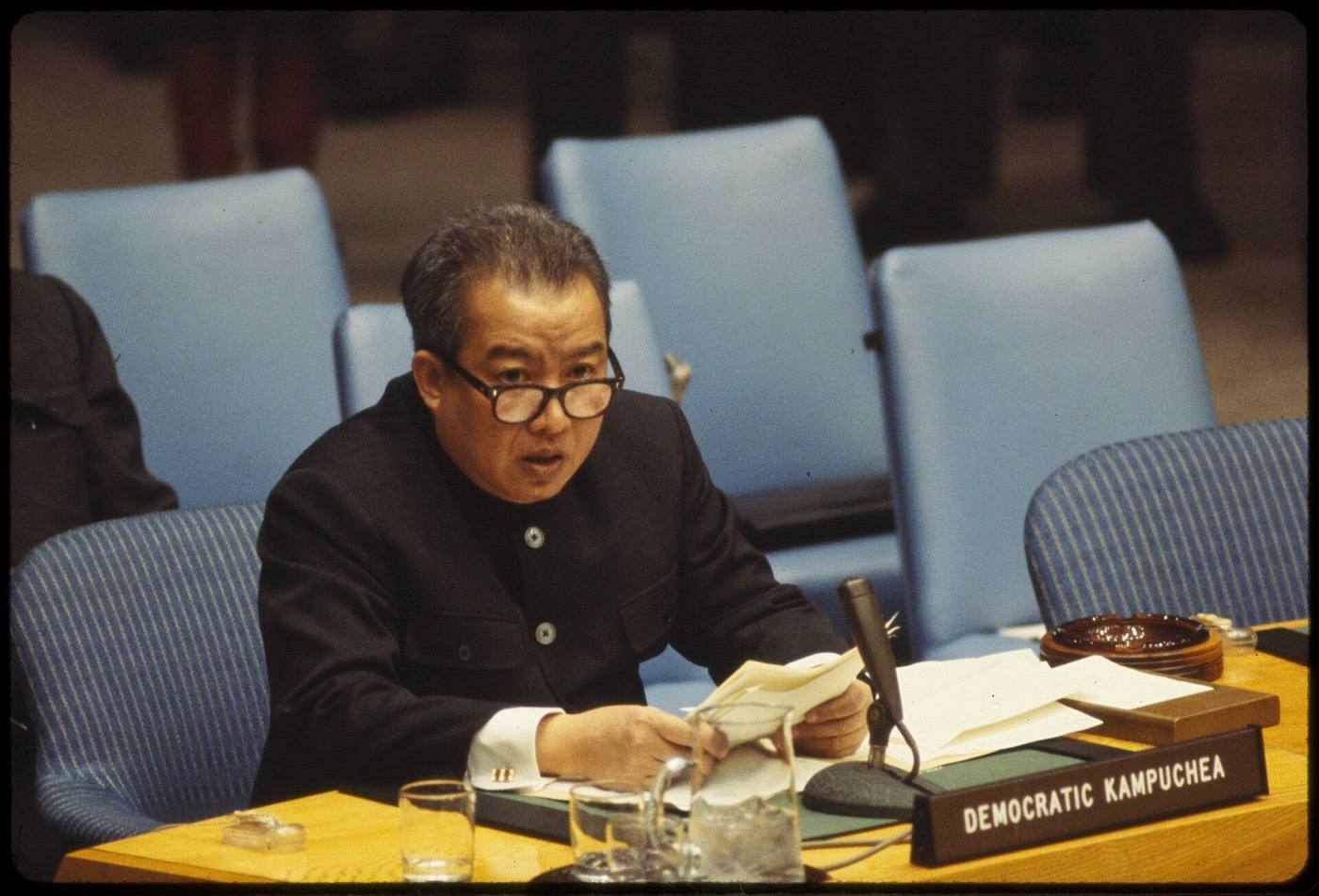
The Dance of Partisanship
The current political landscape further complicates the narrative. On one side, we have a right-wing faction that often treats intelligence estimates as tools to validate their hawkish foreign policy views. They wield these documents as evidence that supports a more aggressive military stance, often overlooking nuanced factors that drive complex international relations.
Conversely, the left has reacted with skepticism. There is a palpable mistrust of intelligence assessments that are perceived as politically motivated. This skepticism has roots in previous administrations’ misuse of intelligence to justify military interventions. While the left's caution is warranted, the result has often been an over-correction, where valid intelligence is dismissed or underappreciated in favor of a broader ideological narrative.
In a world rife with ambiguity, the allure of certainty is selling briskly.
Information as a Weapon
Both extremes have turned intelligence into a weapon, wielding it to bolster their arguments while undermining the credibility of the opposing side. This trend not only diminishes the integrity of the intelligence community but also risks fracturing public trust in the very institutions meant to safeguard our national interests. In their rush to claim victory in the court of public opinion, both sides often ignore the complexity of the issues at hand.
Moreover, as intelligence estimates are increasingly shared with the public, the risk of misinterpretation looms large. The nuances of intelligence assessments are easily lost in translation, leading to a simplified and often erroneous narrative. The intricacies of geopolitical dynamics cannot be adequately conveyed through sound bites or headlines, yet that is precisely what many in the media and political discourse attempt to do.
The Media's Role in Shaping Perception
Media outlets, in their quest for ratings and readership, frequently amplify the extremes of the debate, contributing to an environment where certainty is prized over accuracy. The sound bite culture, where brevity reigns supreme, has left little room for the necessary context that intelligence assessments require. This is particularly troubling when the stakes are as high as they are in contemporary geopolitics.
A Call for Balance
As we move forward, it is crucial for both sides of the political spectrum to resist the temptation to use intelligence estimates as mere fodder for their respective agendas. There is a pressing need for a balanced approach that acknowledges the complexities of intelligence work and respects the informed opinions of experts in the field.
Furthermore, the public must engage critically with the information presented. A discerning electorate is essential if we are to foster a political climate that values thoughtful discourse over partisan bickering. The responsibility lies not only with the politicians but also with the media and the public to cultivate an environment where informed dialogue can flourish.
Conclusion
In conclusion, the current fixation on certainty within the realm of intelligence estimates reveals deeper societal issues. As both sides of the political divide seek to assert their narratives, the risk of oversimplification and misinterpretation grows. It is imperative that we strive for a more nuanced understanding of intelligence, allowing it to inform rather than dictate public discourse.
✦ ✦ ✦