From the file. Written for the paper dated September 1976. Opened in the public stacks July 14, 2026.
As the United States confronts the realities of an aging population, a troubling trend emerges: the bipartisan habit of selective memory. Both the left and the right seem to ignore vital aspects of this demographic shift, focusing instead on their own narratives, which ultimately hampers effective policy-making.
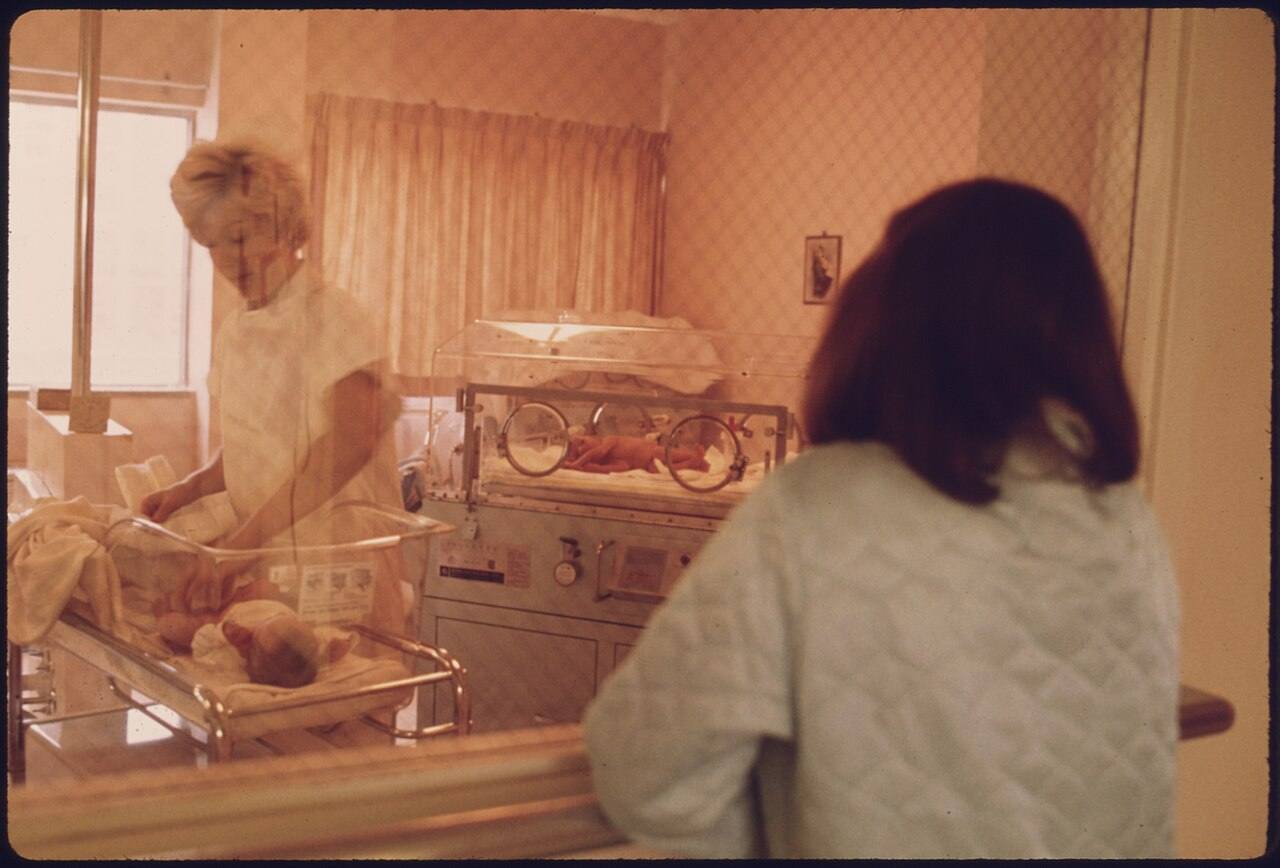
The Left: Embracing a Paternalistic View
The left often adopts a paternalistic stance towards the elderly, portraying them as helpless victims in need of constant support and protection. This view, while stemming from a place of compassion, can overlook the complexities of aging and the capabilities of older adults. By emphasizing dependency, the left risks undermining the contributions that seniors continue to make to society. The image of the elderly as frail and incapacitated can also stifle discussions about their needs and desires, reducing them to mere beneficiaries of government programs.
"Aging is not merely a problem to be solved; it is a stage of life to be embraced."
This paternalistic view often leads to policies that, while well-intentioned, may not align with the actual needs of older Americans. For instance, universal healthcare coverage proposals might prioritize access to services without adequately considering the importance of preventive care and maintaining independence. Such policies can inadvertently reinforce negative stereotypes about aging, casting seniors as perpetual patients rather than active participants in their own lives.
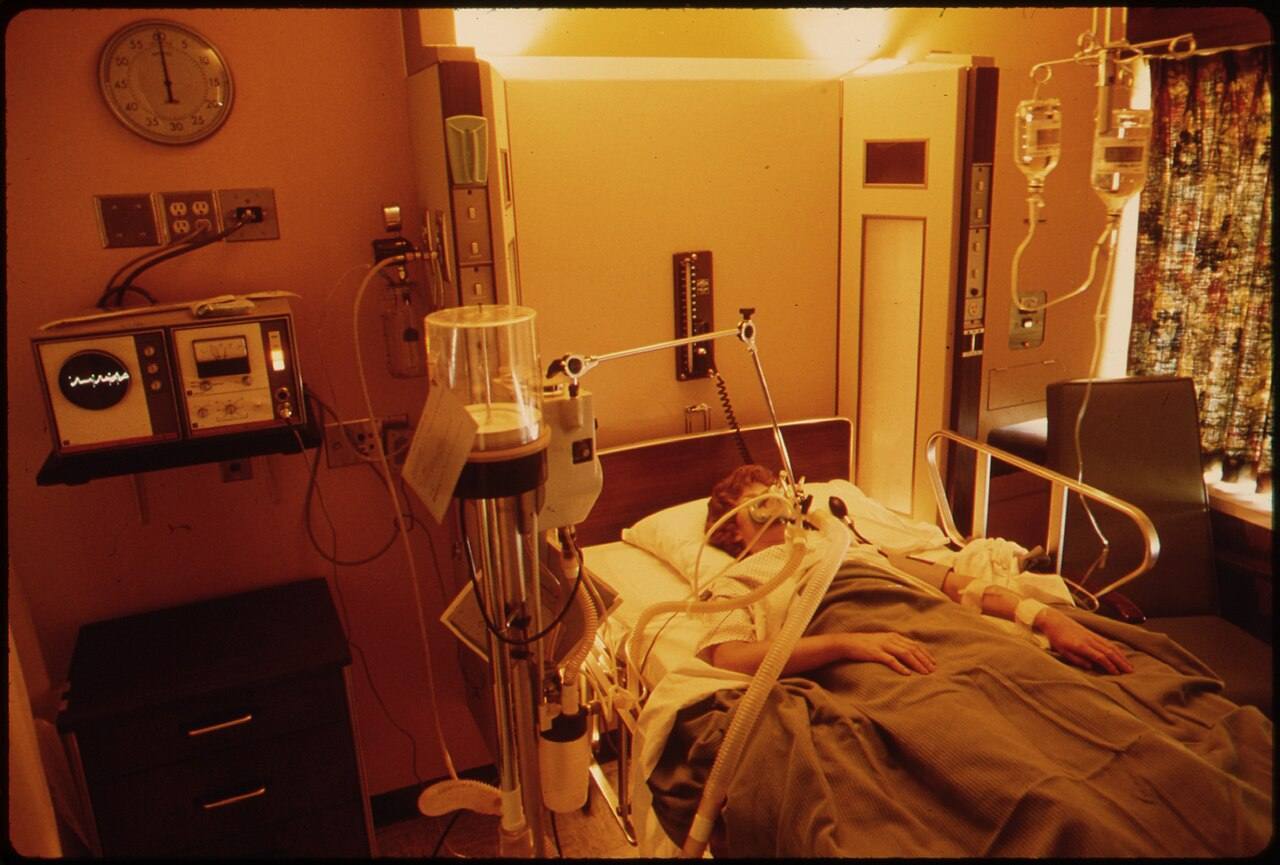
The Right: Ignoring the Social Contract
On the other hand, the right frequently emphasizes individual responsibility and the idea that seniors should rely on their personal savings and family for support. This perspective often neglects the larger social contract that exists in our society. Many older Americans have contributed to Social Security and Medicare throughout their working lives, expecting these programs to be their safety nets in retirement.
"The notion that seniors should fend for themselves ignores the sacrifices they made to build this nation."
By advocating for reduced government involvement and promoting the idea that individuals should prepare for their own retirement without acknowledging the systemic issues that have led to inadequate savings for many, the right risks alienating a significant portion of the population. The reality is that not all seniors have the financial means to support themselves adequately after decades of labor, particularly those who worked in low-wage jobs or faced interruptions in their careers due to economic downturns.
The Need for a Balanced Approach
In a time when the U.S. population is aging rapidly, the need for a balanced approach has never been more critical. As the baby boomer generation begins to retire, the implications for healthcare, social services, and economic policy are profound. Both sides of the political spectrum must acknowledge that aging is not merely an issue of dependency or individual responsibility; it is a multifaceted challenge that requires nuanced solutions.
Furthermore, the conversation surrounding aging must move beyond mere statistics and policies. We need to engage with older Americans, listen to their experiences, and understand their perspectives. Their stories and insights can help shape policies that truly serve their interests and recognize their value to society.
Conclusion: Bridging the Divide
In this era of political polarization, it is essential that both the left and the right set aside their selective memories and work together to address the challenges posed by an aging population. By fostering dialogue that includes the voices of older adults and considering the diverse realities of aging, we can create a more inclusive and effective framework for support and policy-making. Only through collaboration and understanding can we ensure that all seniors are treated with dignity and respect, allowing them to live their later years with purpose and fulfillment.
✦ ✦ ✦