From the file. Written for the paper dated August 1976. Opened in the public stacks July 14, 2026.
In an era where consumerism reigns and the economy thrives on a web of interconnected businesses, the supply chain stands as both the backbone of commerce and a glaring example of oversight failures.
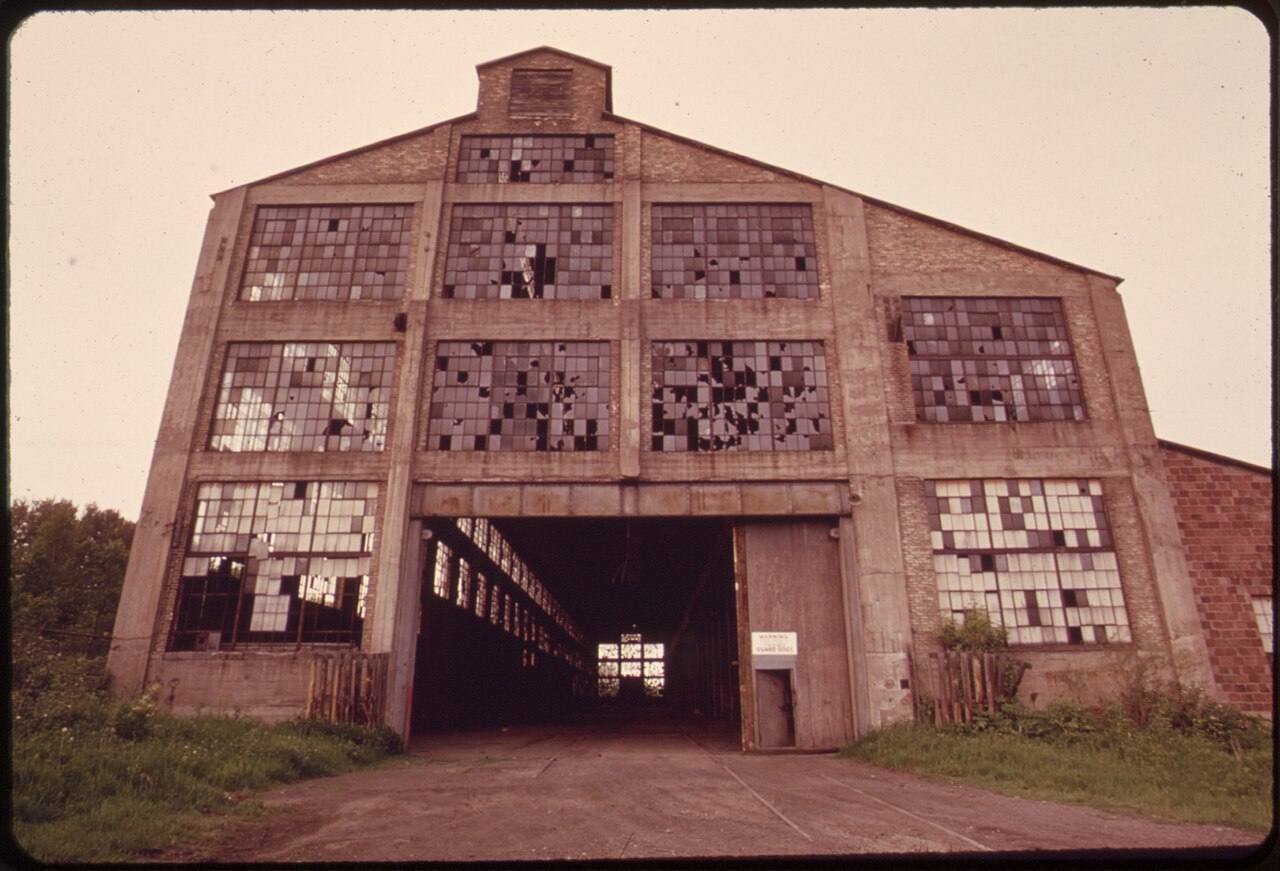
The Fragile Threads of Supply Chains
The supply chain operates not as a monolithic entity but as a complex network of suppliers, manufacturers, distributors, and retailers. As we look around us, from grocery stores to automotive showrooms, it becomes clear that the efficiency of these chains is crucial to our daily lives. Yet, a quiet failure of oversight looms over this intricate system, threatening to unravel the very fabric of our economy.
Recent reports suggest that while the demand for goods continues to soar, the mechanisms that facilitate their journey from production to consumer are increasingly strained. A lack of coordination between various players in the supply chain has led to inefficiencies that can no longer be ignored. For instance, manufacturers struggle to obtain raw materials in a timely manner, resulting in increased production delays. Retailers, facing empty shelves, are left scrambling for solutions that are often too late to meet consumer demand.

Left-Wing Critique: Overregulation and Bureaucracy
On the left, there is a growing chorus arguing that the government should intervene more robustly to regulate industries and ensure the equitable distribution of goods. However, this perspective often overlooks the inherent complexities of the supply chain. Overregulation can stifle innovation and lead to bureaucratic hurdles that slow down the very processes we seek to streamline. When the government becomes too involved, businesses find themselves bogged down in compliance instead of focusing on efficiency and responsiveness.
"Regulatory excess may hinder the nimbleness essential for supply chain success."
Instead of fostering a climate of cooperation, excessive regulation may inadvertently create an adversarial relationship between businesses and government. This does not serve the interests of consumers or the economy. The left must recognize that a balance needs to be struck between oversight and freedom for enterprises to operate efficiently.
Right-Wing Critique: Laissez-Faire Ideals Gone Awry
Conversely, the right often champions laissez-faire economics and minimal government interference, arguing that market forces alone should dictate supply chain dynamics. While the merits of free enterprise are undeniable, this hands-off approach has led to a lack of accountability among corporations. Without sufficient oversight, we witness instances of negligence that can have far-reaching consequences.
"The absence of accountability risks turning profit-driven motives into reckless behavior."
In the rush to maximize profits, many corporations neglect the importance of maintaining a robust and transparent supply chain. This neglect can result in subpar working conditions for laborers, environmental degradation, and ultimately, a failure to deliver quality products to consumers. The right must understand that unbridled capitalism can lead to significant pitfalls without a framework of accountability.
The Middle Ground: Seeking Solutions
In light of these excesses from both sides, it is essential to seek a balanced approach - one that promotes efficiency and innovation while ensuring accountability and oversight. The supply chain does not operate in isolation; it is a vital part of a larger economic ecosystem that requires thoughtful stewardship. Stakeholders across the board must engage in open dialogue to explore actionable solutions that address the challenges faced by the supply chain without falling prey to ideological extremes.
One potential avenue for improvement lies in embracing technology. While there is no silver bullet, investing in logistics technologies could streamline operations and enhance visibility across the supply chain. From inventory management systems to real-time tracking solutions, the right tools can facilitate better communication and coordination among all players involved. However, this requires a commitment from both the public and private sectors to prioritize innovation and collaboration.
Conclusion: A Call for Comprehensive Reform
As we navigate the complexities of the supply chain in our modern economy, it is crucial to recognize the shared responsibility among businesses, consumers, and the government. Rather than retreating into ideological corners, we must embrace a collaborative approach that fosters both efficiency and accountability. The time is ripe for comprehensive reform that addresses the shortcomings of our current system while remaining adaptable to future challenges.
✦ ✦ ✦