From the file. Written for the paper dated August 1976. Opened in the public stacks July 14, 2026.
In the midst of our technological advancements and space exploration, we find ourselves grappling with an unsettling reality: a solar storm can wreak havoc on our electrical systems, and yet our oversight in preparation and response seems alarmingly inadequate.
Understanding Solar Storms
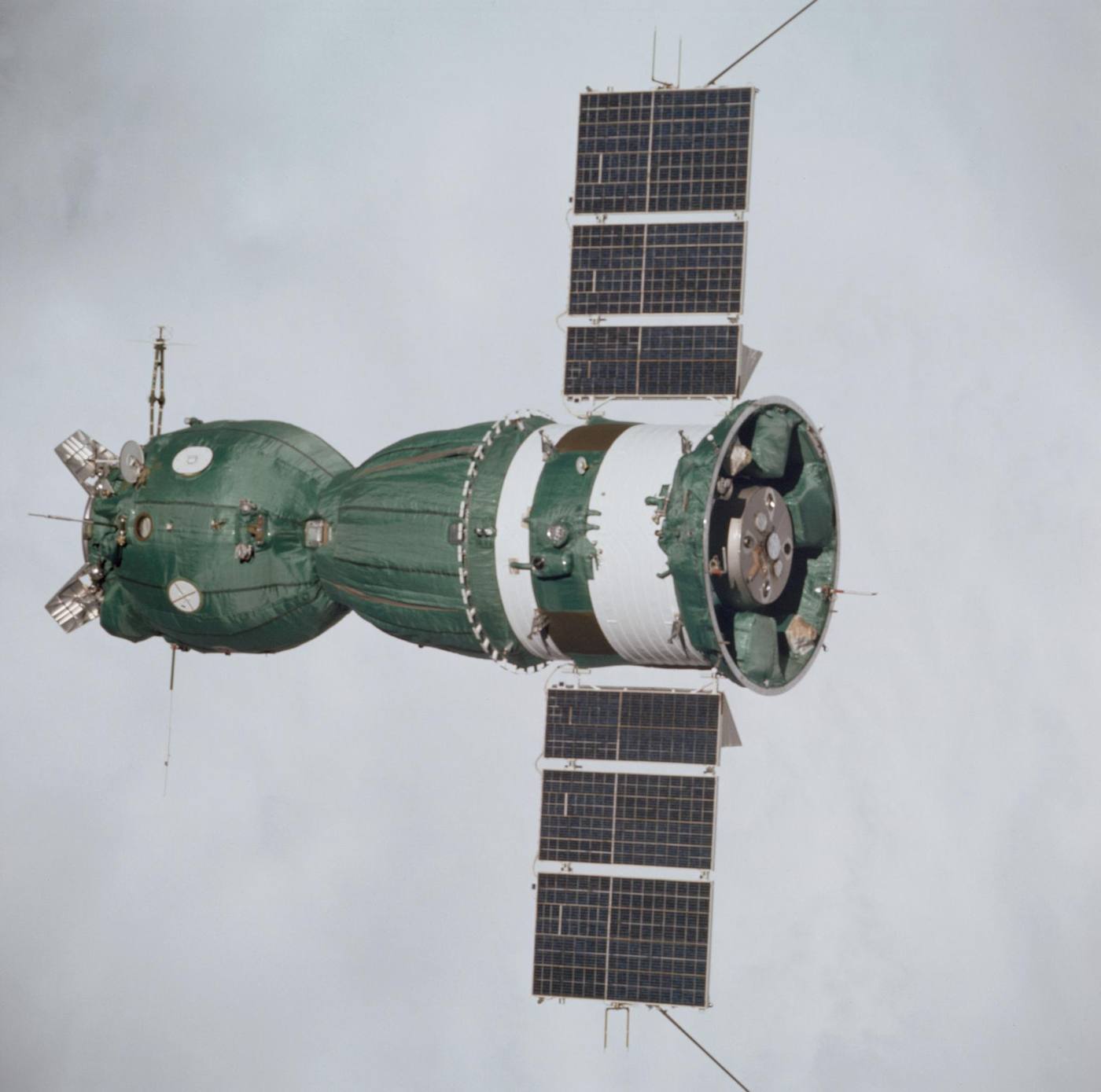
Solar storms, also known as coronal mass ejections, are bursts of solar wind and magnetic fields rising above the solar corona or being released into space. These phenomena can disrupt communication systems, navigation systems, and even power grids on Earth. With the sun entering a more active phase of its cycle, the potential for these storms to impact our daily lives increases significantly.
Recent reports warn of an impending solar storm, yet the general public remains largely unaware of the potential risks. The lack of urgency in addressing this concern may stem from complacency bred by the relative safety we have enjoyed in recent years. However, the potential for catastrophic disruption should not be underestimated. Our reliance on technology makes us vulnerable to such natural events, and it raises questions about our preparedness.
A Failure of Oversight
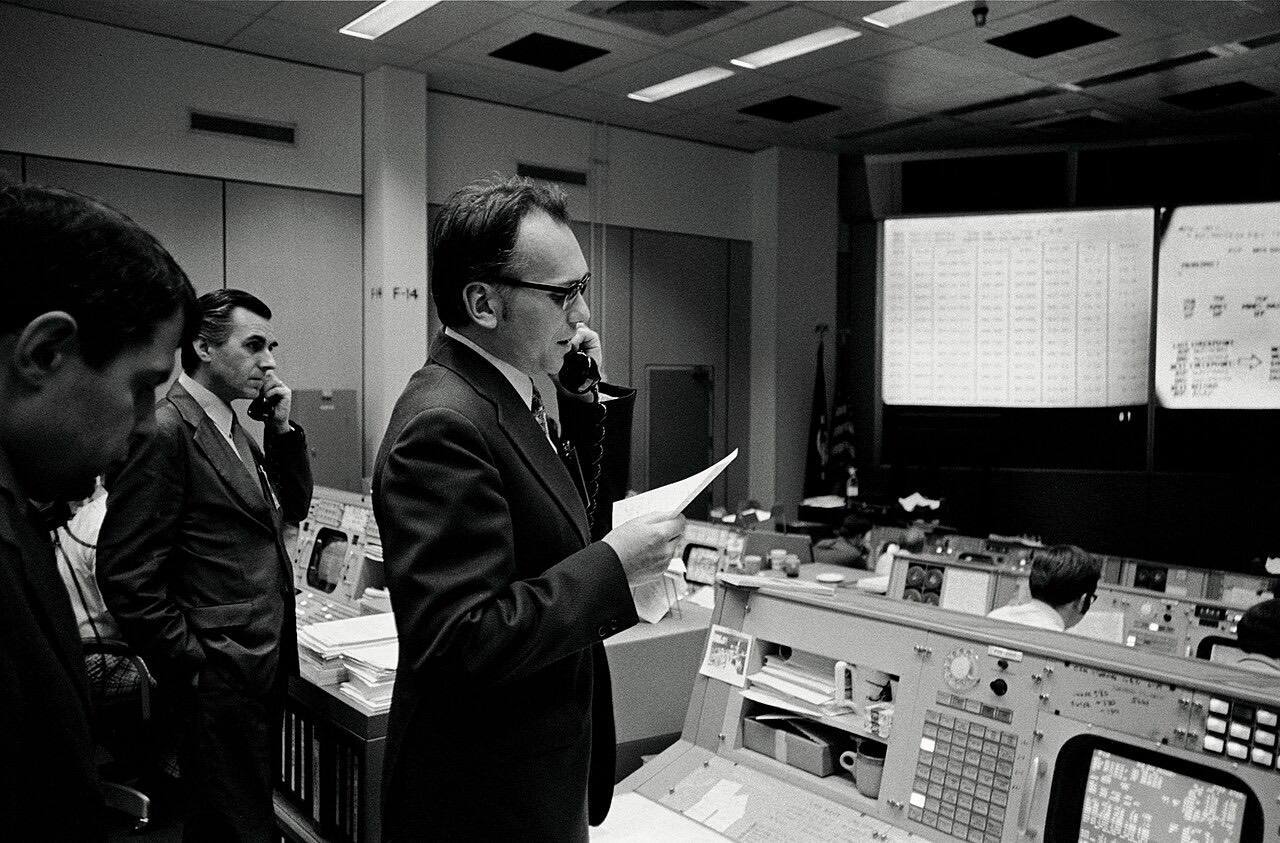
While scientists and researchers have made strides in understanding solar activity, the oversight in preparing for its consequences leaves much to be desired. Government agencies, including NASA and the National Oceanic and Atmospheric Administration (NOAA), are charged with monitoring solar activity, yet there appears to be a disconnect between scientific findings and public awareness.
"The sun doesn’t hold a jersey; it doesn’t care who you are or how prepared you think you are."
This lack of coordination and communication is troubling. As we stand on the brink of what could be a significant solar storm, it is crucial that the information and warnings be disseminated effectively. The public deserves to know how these events could affect their lives, yet many remain oblivious to the risk.
Political Posturing and Public Perception
In the political arena, both sides of the aisle seem to be preoccupied with their own agendas, often ignoring the pressing need for a unified approach to address these natural threats. On one hand, some leftist voices advocate for increased funding for scientific research and preparedness, but often fail to offer practical solutions that translate into real-world action. Their focus on the imperative of environmental consciousness can overshadow the immediate threats posed by solar activity.
Conversely, many right-leaning politicians continue to downplay the significance of such natural events, labeling them as mere scientific theories or exaggerations. This dismissal not only undermines the work of serious scientists but also puts the public at greater risk. The need for a balanced approach that combines scientific understanding with responsible governance is crucial.
The Role of the Media
As journalists, we bear a responsibility to bridge the gap between scientific communities and the public. However, sensationalism often takes precedence over factual reporting, leading to a misinformed populace. Headlines that focus more on the spectacle of a solar storm than its implications contribute to the general apathy surrounding these events. The media must prioritize educating the public about the tangible effects of solar storms rather than merely entertaining them.
Preparing for the Unknown
We must ask ourselves: are we truly prepared for a solar storm? The answer is far from certain. While there are protective measures that can be employed, such as hardening electrical grids and investing in better prediction technology, these solutions require a collaborative effort across political and scientific communities. The time for discussion is over; action is needed.
The potential impact of solar storms is not just a scientific concern; it is a matter of national security and public safety. As we advance further into the age of technology, we must recognize the vulnerabilities that come with it. Ignoring the threat posed by solar storms is a gamble we cannot afford to take.
Conclusion
As we continue to navigate the complexities of modern life, we must not allow ourselves to be blinded by political rhetoric or sensationalist media. The looming threat of solar storms demands our attention and action. It is time to prioritize scientific understanding and public education to ensure we are not left in the dark when the sun decides to unleash its fury.
✦ ✦ ✦