From the file. Written for the paper dated August 1976. Opened in the public stacks July 14, 2026.
As public clinics across the nation grapple with issues of funding and oversight, the question remains: are we truly providing adequate healthcare to those in need, or merely paying lip service to a noble cause?
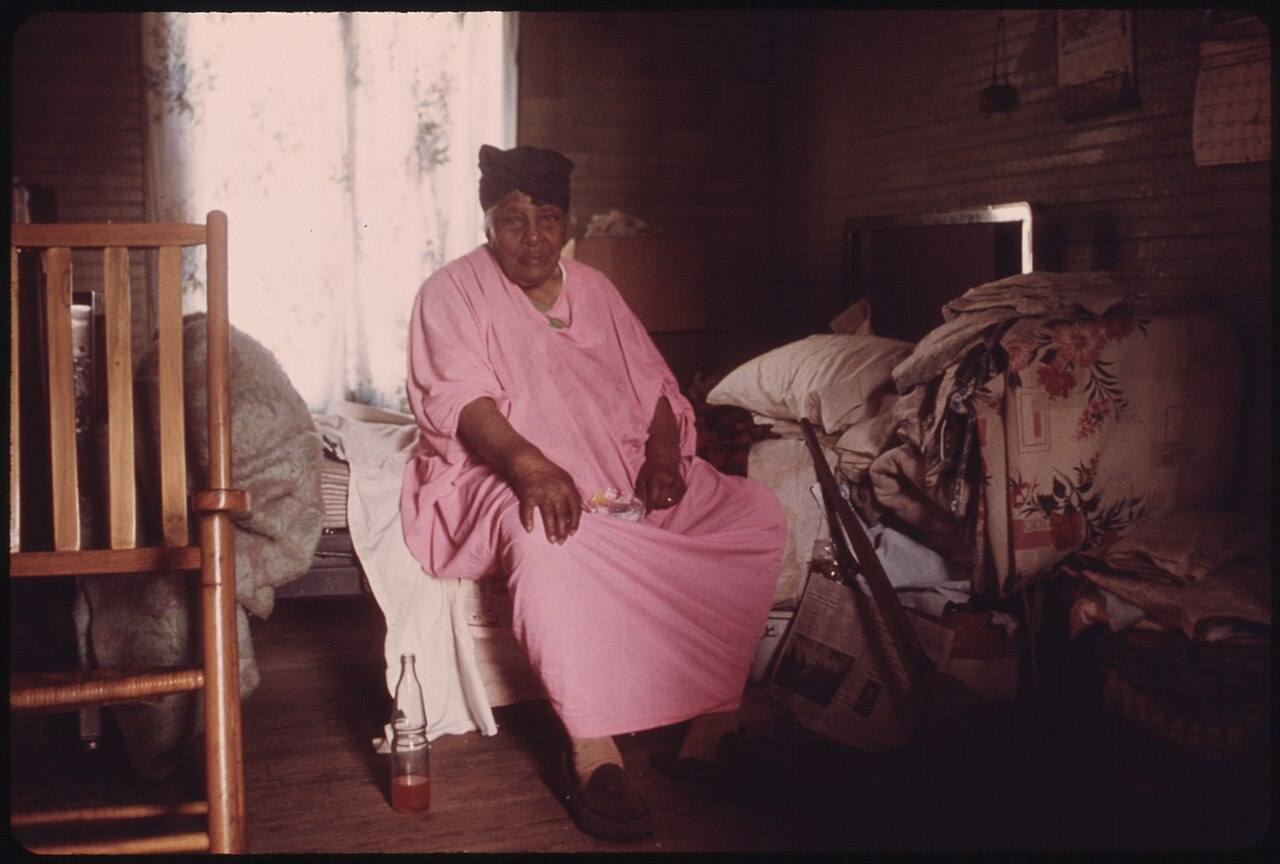
Public Clinics: An Overview
Public clinics were established with the intention of delivering essential health services to underserved communities, yet many are now perceived as underperforming and poorly managed. The promise of accessible healthcare is often overshadowed by a lack of resources, inadequate staffing, and bureaucratic red tape that stifles innovation and responsiveness.
While many clinics strive to serve their communities diligently, the reality is that without sufficient oversight and accountability from both state and federal government, these institutions can falter. In some cases, clinics have become little more than a patchwork of services, often leaving patients without the comprehensive care they deserve.

"The clinics are only as strong as the support they receive. Without oversight, we risk losing the very fabric of community health." - A local health official
Funding: A Double-Edged Sword
Funding for public clinics is often a contentious issue, with debates firing up between those who argue for increased government spending and those who advocate for fiscal responsibility. On one side, proponents of increased funding argue that healthcare is a right, and we must ensure that every citizen has access to adequate services. On the other hand, critics warn of the potential for waste and mismanagement that can accompany a bloated budget.
The tug-of-war between these two ideologies often leads to a paradox: as funding fluctuates, so does the quality of care. When budgets are tight, clinics may be forced to lay off staff or cut services, further diminishing their ability to meet community needs. Conversely, a sudden influx of funding can lead to inefficiencies and lack of coordination, as clinics scramble to allocate resources without a coherent plan.
The Role of Bureaucracy
Bureaucratic inefficiencies can also hinder the effectiveness of public clinics. The lengthy approval processes for new initiatives or funding can stifle innovation, leaving clinics to rely on outdated practices and ineffective models of care. Many clinic directors find themselves bogged down in paperwork, diverting energy away from patient care and community outreach.
Moreover, as clinics become ensnared in red tape, it is often the most vulnerable populations - those who rely on these services the most - who suffer. The very people that public clinics aim to serve are left waiting longer for appointments, receiving less comprehensive care, and ultimately becoming disillusioned with a system that is supposed to help them.
"It feels like we're stuck in a web of bureaucratic nonsense. By the time we get the green light for a new program, the community's needs have already changed." - A clinic administrator
Community Engagement: A Missed Opportunity
The disconnect between clinic administrators and their communities can also lead to a failure to address the specific needs of those they serve. Many clinics operate without adequate community input, resulting in services that do not reflect the actual health concerns of the population. A lack of engagement with local residents can lead to misaligned priorities and ineffective health programs.
Additionally, some clinics may struggle to connect with patients due to cultural or language barriers. In an increasingly diverse society, it is crucial for public clinics to adapt their services to meet the unique needs of different communities. Failure to do so only exacerbates existing health disparities, further marginalizing those who already face significant barriers to care.
A Path Forward
As we examine the current state of public clinics, it is essential to recognize that both left and right factions contribute to the challenges facing these institutions. The left's calls for expansive funding must be matched with a commitment to accountability and oversight. Simultaneously, the right’s emphasis on fiscal responsibility must recognize the inherent value of investing in the health of our communities.
Finding common ground is essential. Constructive dialogue between advocates and critics of public health funding can lead to innovative solutions that better serve our communities. By fostering collaboration between government entities, healthcare providers, and community members, we can begin to rebuild trust in public clinics and ensure they fulfill their mission of providing accessible healthcare to all.
✦ ✦ ✦