From the file. Written for the paper dated August 1976. Opened in the public stacks July 14, 2026.
In a time when the integrity of governmental oversight is paramount, the recent hearing on federal oversight practices has painted a disquieting picture of a system struggling to maintain accountability amidst rising partisanship.
The State of Oversight
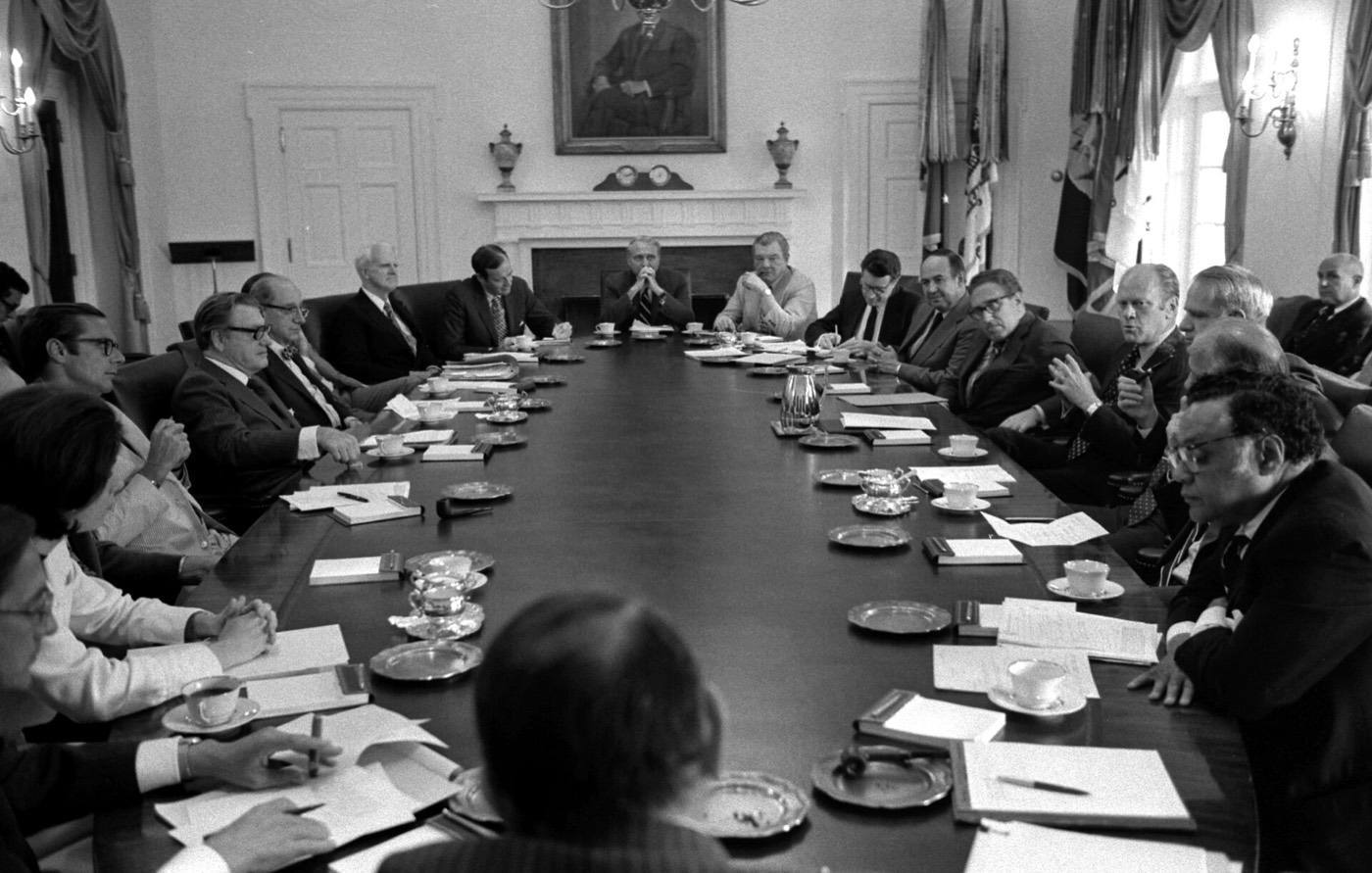
With the Watergate scandal still fresh in the minds of many Americans, one would hope that Congress would take a steadfast approach to ensure that such breaches of trust do not occur again. However, the oversight hearing held last week failed to inspire confidence as it became evident that both sides of the aisle are more interested in scoring political points than in genuinely addressing the issues at hand.
The hearing, ostensibly aimed at reviewing the practices of various federal agencies, quickly devolved into a partisan battleground. Democrats and Republicans alike appeared to be more focused on protecting their respective party's interests than on establishing a framework for effective oversight. This is a troubling trend that could have long-term implications for the public's trust in government.
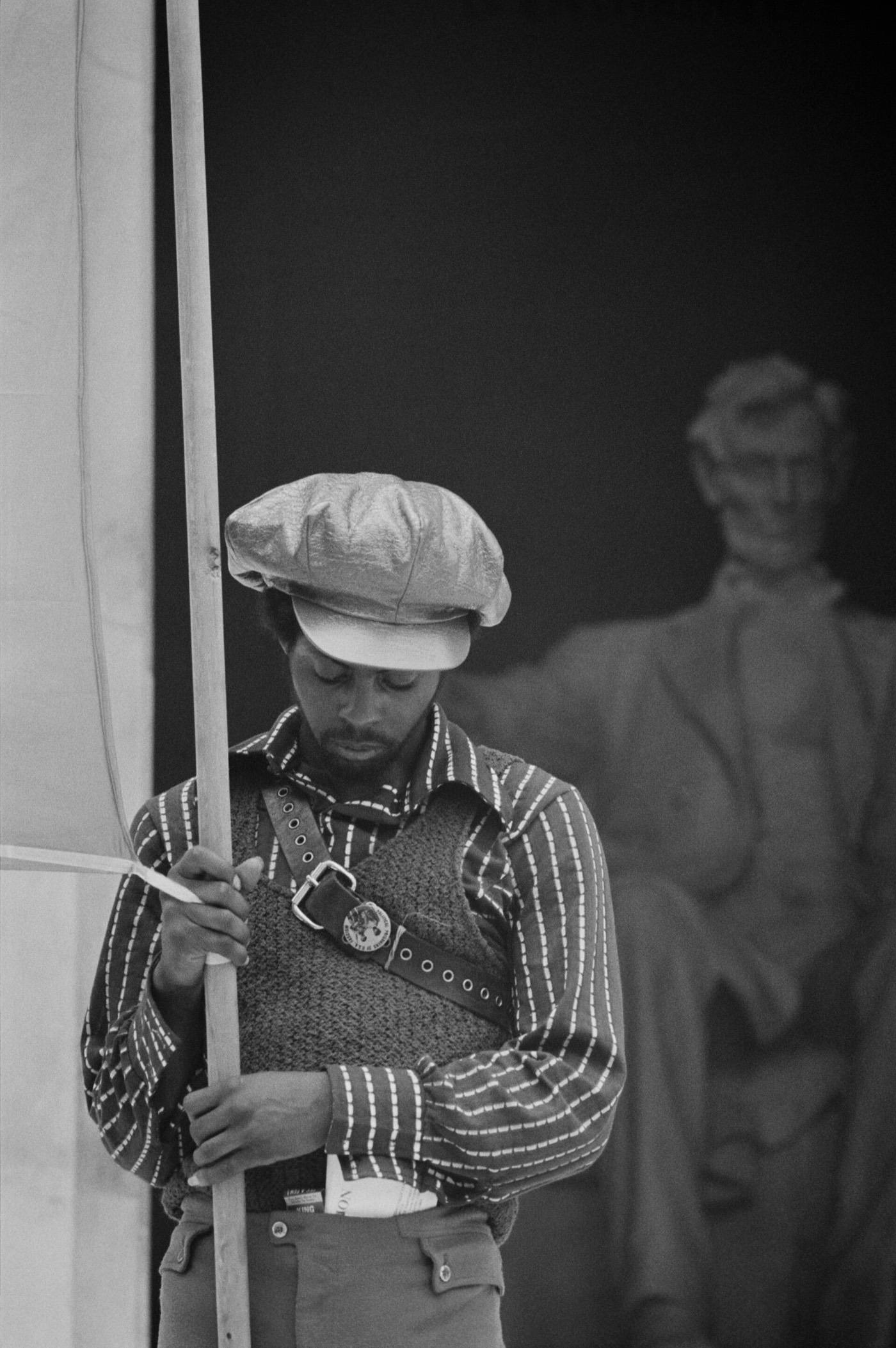
“In this environment, it seems the only thing getting scrutinized is the other party, not the systems meant to serve the American people.”
Partisan Divides Overshadow Oversight
As the hearing unfolded, it was clear that the urgency of effective oversight was overshadowed by a desire to lay blame. The Democrats seized upon the opportunity to highlight alleged failures within the Nixon administration's policies, while Republicans retaliated with accusations of incompetence against their opponents. Rather than a collaborative effort to address the shortcomings of the oversight process, the focus remained on the theatre of politics.
This pervasive partisanship has resulted in a failure to address critical issues, such as the need for clearer guidelines on agency accountability and transparency. Instead, witnesses were subjected to grandstanding, with little thought given to the implications of their testimony. The result was a hearing that not only lacked substance but also diminished the very purpose of congressional oversight.
Public Disengagement and Distrust
Public confidence in government institutions is at an all-time low, and these hearings do little to reverse that trend. Many citizens are left feeling as though their representatives are more concerned with political survival than with the welfare of the nation. The failure to effectively oversee federal agencies contributes to the growing perception that government operates in a vacuum, disconnected from the realities faced by everyday Americans.
Moreover, as the public watches the spectacle of political infighting, it becomes increasingly disengaged from the process. A lack of genuine engagement on critical issues surrounding oversight only serves to alienate citizens further, who may feel that their voices are going unheard. As the momentum for reform dwindles, the door remains wide open for abuses of power.
The Call for Genuine Reform
In light of these events, it is imperative that both parties refocus their efforts toward establishing a robust oversight framework. This means prioritizing accountability over political advantage. Congress must act as a guardian of the public interest, ensuring that federal agencies operate transparently and effectively. Without this commitment, the risk of future scandals looms large.
It is essential for lawmakers to remember that the American public is not merely a backdrop for their political maneuvers. Citizens deserve representatives who are willing to put aside party differences and work collaboratively toward a common goal: a government that operates in the interest of its people. The stakes could not be higher, and the time for action is now.
A Path Forward
As we move forward, we must hold our elected officials accountable for their actions - or lack thereof. The need for effective oversight is paramount, and it is the responsibility of every American to demand a higher standard from those in power. We cannot afford to let the failures of today's hearings become the norm. The integrity of our institutions relies on a commitment to genuine oversight, free from the shackles of political gamesmanship.
In the end, the American people deserve better than the charade displayed at last week’s oversight hearing. They deserve a government that is transparent, accountable, and above all, focused on serving the public good. It is time for our leaders to step up and take their responsibilities seriously.
✦ ✦ ✦