From the file. Written for the paper dated June 1976. Opened in the public stacks July 14, 2026.
As we find ourselves in the thick of a summer marked by sweltering heat and rising tensions, a less noticed phenomenon is brewing above our heads - a solar storm. While the science behind these cosmic events garners intrigue, the procedures to mitigate their impact often remain shrouded in obscurity.
Understanding Solar Storms
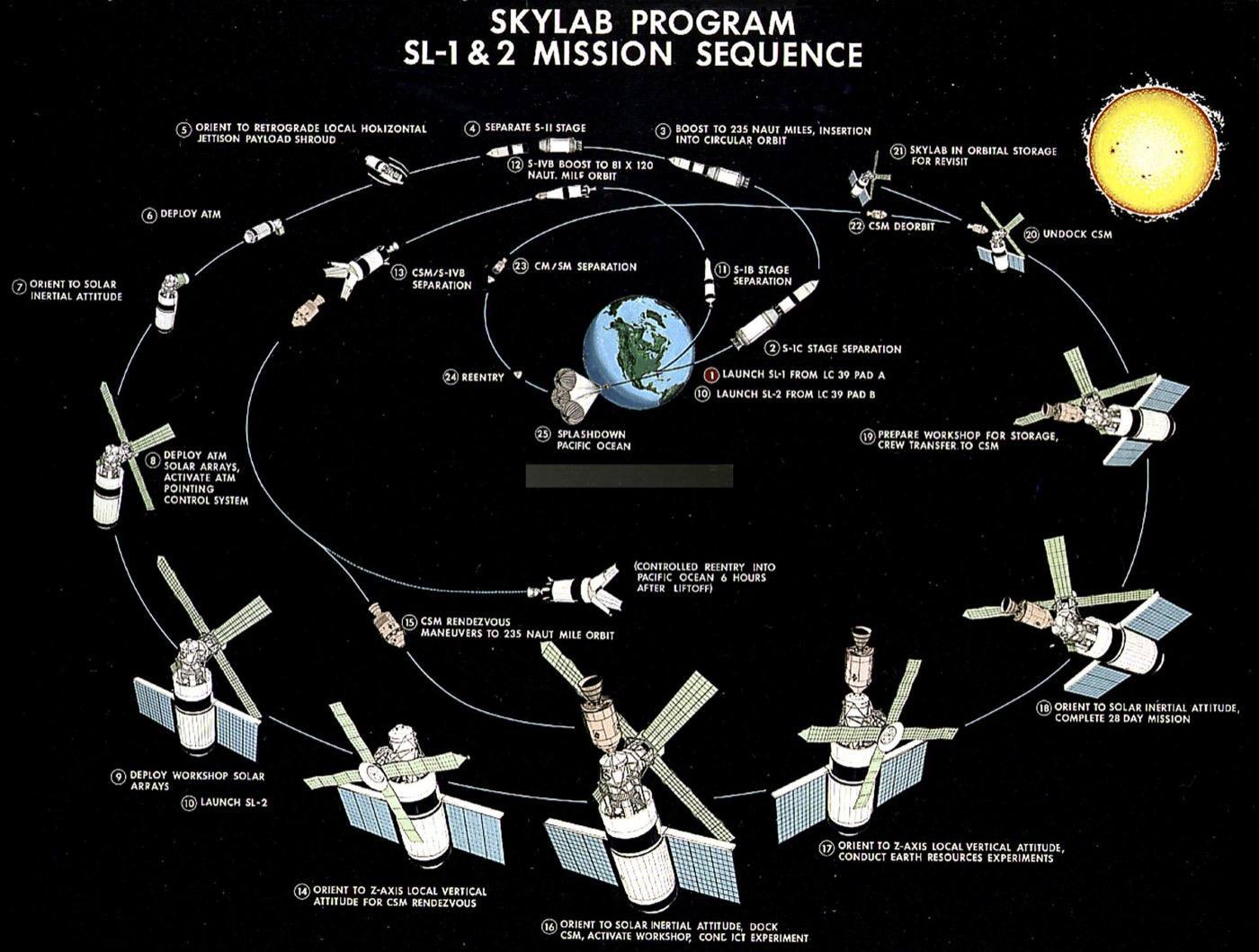
Solar storms, primarily caused by coronal mass ejections from the sun, can unleash a torrent of charged particles that impact Earth's magnetic field. These bursts of solar activity can interfere with radio communications, affect satellite operations, and even disrupt power grids. Given our increasing reliance on technology, the implications of these storms are far-reaching.
While scientists have made strides in predicting solar storms, the conversation about what happens next is often muted. It seems that everyone is eager to discuss the excitement of the event itself, like fans raving about a sports game, yet few want to delve into the practicalities of managing the fallout.
The Procedure Nobody Wants to Discuss
In the wake of a solar storm, the immediate focus should be on ensuring the safety and stability of our technological infrastructure. However, discussions surrounding emergency protocols tend to fade into the background, overshadowed by the allure of the phenomenon itself. This raises a critical question: why is there such reluctance to address the necessary procedures?
"Everyone loves to talk about the spectacle of the storm, but few are willing to engage with the aftermath."
The federal government, along with various scientific organizations, have developed contingency plans for solar storm responses. These plans include monitoring solar activity, issuing alerts, and coordinating with power companies and communication networks. Yet, the details of these procedures are rarely communicated effectively to the public, leaving many unaware of the potential risks.
Criticism of Left and Right Excesses
The current political climate adds another layer of complexity to the discussion around solar storms. On one hand, the left often emphasizes the need for a more robust regulatory framework to protect our infrastructure. However, this can lead to excessive regulation that stifles innovation and hinders the speed at which technology can adapt to the needs of the moment. On the other hand, the right tends to champion free-market solutions that can overlook the necessity for coordinated governmental action in times of crisis.
Both extremes miss an opportunity for collaboration. The truth is, while we need to invest in better technology to predict and manage solar storms, we also need to have clear communication and preparedness measures in place. The reality is that solar storms are a natural phenomenon we cannot control, but we can control our response to them.
Bridging the Divide
What is required is a balanced approach that recognizes the strengths and weaknesses of both perspectives. Investment in research and development is essential, but so is a commitment to transparency and public education. The conversation should encompass both the excitement of scientific discovery and the pragmatic steps we must take to protect ourselves.
Engaging the public in discussions about solar storms and their implications can foster a culture of preparedness. Workshops, community forums, and educational initiatives could be instrumental in bridging the gap between scientific understanding and public awareness.
The Path Forward
As we navigate this summer of solar storms, let us not forget the importance of preparedness. The thrill of scientific discovery should not overshadow the necessity of practical action. We must advocate for policies that promote both technological advancement and robust emergency response strategies.
In a world increasingly dependent on technology, the stakes are high. Our ability to successfully navigate solar storms may very well hinge on our willingness to engage in candid discussions about the procedures that keep us safe. It is time to shed the jerseys of political allegiance and work together for the common good.
✦ ✦ ✦