From the file. Written for the paper dated June 1976. Opened in the public stacks July 14, 2026.
As labor disputes sweep the nation, the conversation often centers around the striking workers, their plights, and the responses of corporate management. However, buried beneath the surface of these protests lies a procedure that few are willing to confront: the bureaucracy of labor relations.
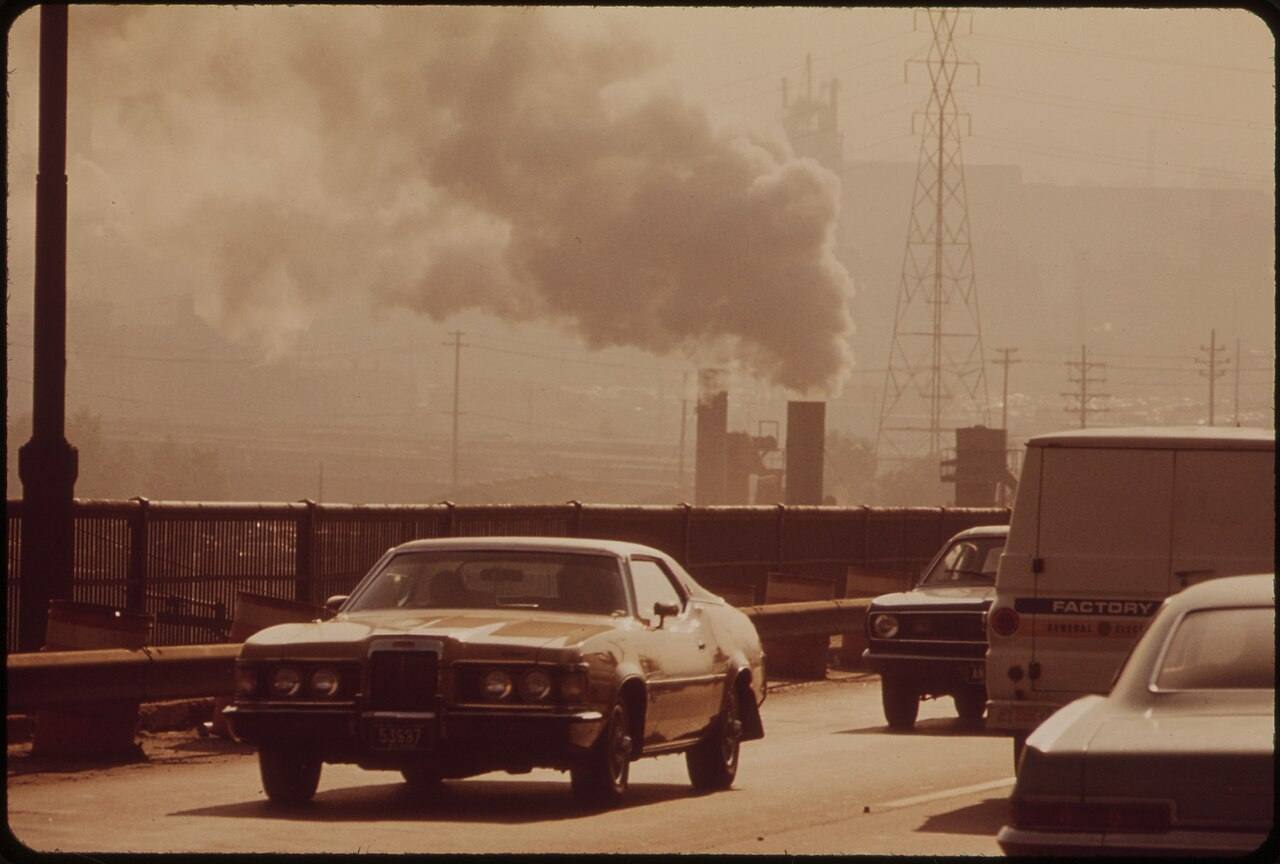
The Anatomy of a Strike
In recent weeks, labor strikes have erupted across various industries, from steel to transportation, as workers demand fair wages and better working conditions. While the media focuses on the dramatic images of picket lines and rallies, the procedural underpinnings of these strikes often go unnoticed. The potential complexity of labor negotiations and the legal frameworks that govern them deserve a closer examination.
Strikes are not spontaneous uprisings; they are typically the culmination of long-standing grievances. Yet, the very processes that lead to a strike can be shrouded in confusion and frustration. Union representatives and management engage in protracted negotiations that can stretch on for months, sometimes years, without resolution. This often leaves workers in a state of limbo, caught between the demands of their union and the intransigence of management.
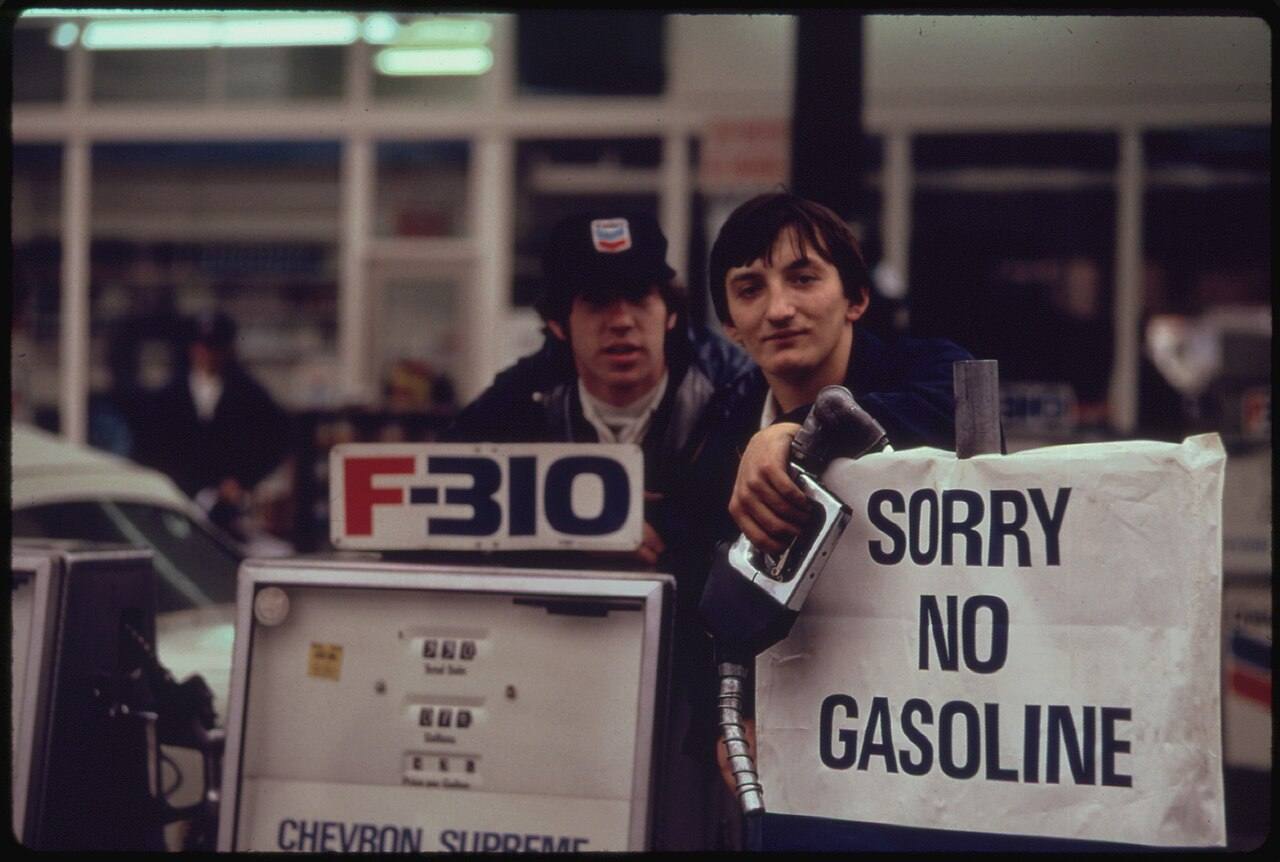
The Union's Dilemma
Unions, once seen as the champions of the working class, find themselves navigating a labyrinth of legalities and internal politics. The National Labor Relations Act provides a framework for labor relations, yet it is often criticized for being overly complex and slow to adapt to the needs of modern labor. Unions must carefully consider the ramifications of a strike. A failure to reach a consensus can result in fractured relationships among members, as differing opinions on the necessity and timing of a strike arise.
“The bureaucracy surrounding labor negotiations can be just as detrimental as the corporations themselves.”
Moreover, the economic implications of a strike cannot be understated. While workers may rally for better wages, the reality is that prolonged strikes can lead to financial strain on families, as well as the potential for job losses. Strikes can disrupt entire industries, leading to ripple effects that extend far beyond the picket lines. This is a reality that unions must weigh heavily in their decision-making processes.
Management's Counterstrategy
On the corporate side, management often finds itself in a precarious position as well. The pressure to maintain productivity and profitability can lead to hardline stances against unions. The reluctance to negotiate can be attributed to fears that concessions will set a precedent for future demands. This creates a cycle of mistrust and antagonism that exacerbates tensions between workers and management.
Additionally, companies sometimes resort to strategies that undermine the union's efforts. They may hire temporary workers to fill the gaps left by striking employees or engage in media campaigns designed to sway public opinion against the strikers. Such tactics not only prolong the conflict but also contribute to an environment of hostility that complicates the possibility of a peaceful resolution.
Political Ramifications
The political landscape adds yet another layer of complexity to labor disputes. Politicians often take sides, either championing labor rights or siding with businesses, depending on their constituents and political affiliations. This can lead to a lack of bipartisan support for meaningful reforms that might address the underlying issues faced by workers.
Both left and right extremes of the political spectrum display a tendency to exploit labor disputes for their own agendas. The left may romanticize the plight of the worker and ignore the nuanced realities of labor relations, while the right may dismiss the genuine needs of workers in favor of free-market principles. This hyper-partisanship often leaves little room for constructive dialogue or compromise.
The Call for Reform
As labor strikes continue to shape the landscape of American commerce, it is imperative that both unions and management engage in a more transparent and constructive dialogue. Reforming the procedural aspects of labor negotiations may lead to more effective resolutions that prioritize the needs of both workers and businesses. This could involve simplifying the negotiation process, ensuring fair representation for all parties, and fostering an environment in which compromise is not seen as weakness.
The conversation around labor strikes must evolve beyond the surface-level dramatics. Understanding the procedural intricacies and the socio-political dynamics at play is essential for addressing the root causes of these disputes. Only then can we hope to foster a more equitable labor environment that serves the interests of all stakeholders involved.
✦ ✦ ✦