From the file. Written for the paper dated May 1976. Opened in the public stacks July 14, 2026.
As the nation grapples with a cacophony of societal changes, the aging population remains a critical yet often overlooked topic. While the clamor around youth culture and political fervor captures headlines, the quiet, steady march of demographic shifts beckons our attention.

The Silent Shift
The statistics are often recited with a sense of urgency, as if they hold the key to the future of our society. According to projections from various health organizations, the population aged 65 and older is expected to double by the year 2000. Yet, amidst the alarm bells rung by politicians and media outlets alike, what seems to be missing from the discourse is a deeper understanding of the implications this demographic shift carries.
"While the youth may dominate the streets, it is the elderly who will shape our future."
For some, the aging population is merely a demographic statistic, a number to be bandied about in debates over social security and healthcare provisions. However, it is essential to recognize that these figures represent real lives, individuals with their own stories, experiences, and needs. The complexity of aging is often reduced to simplistic narratives of burden and dependency, but this perspective does a disservice to the contributions this demographic continues to make to society.
Healthcare Conundrums
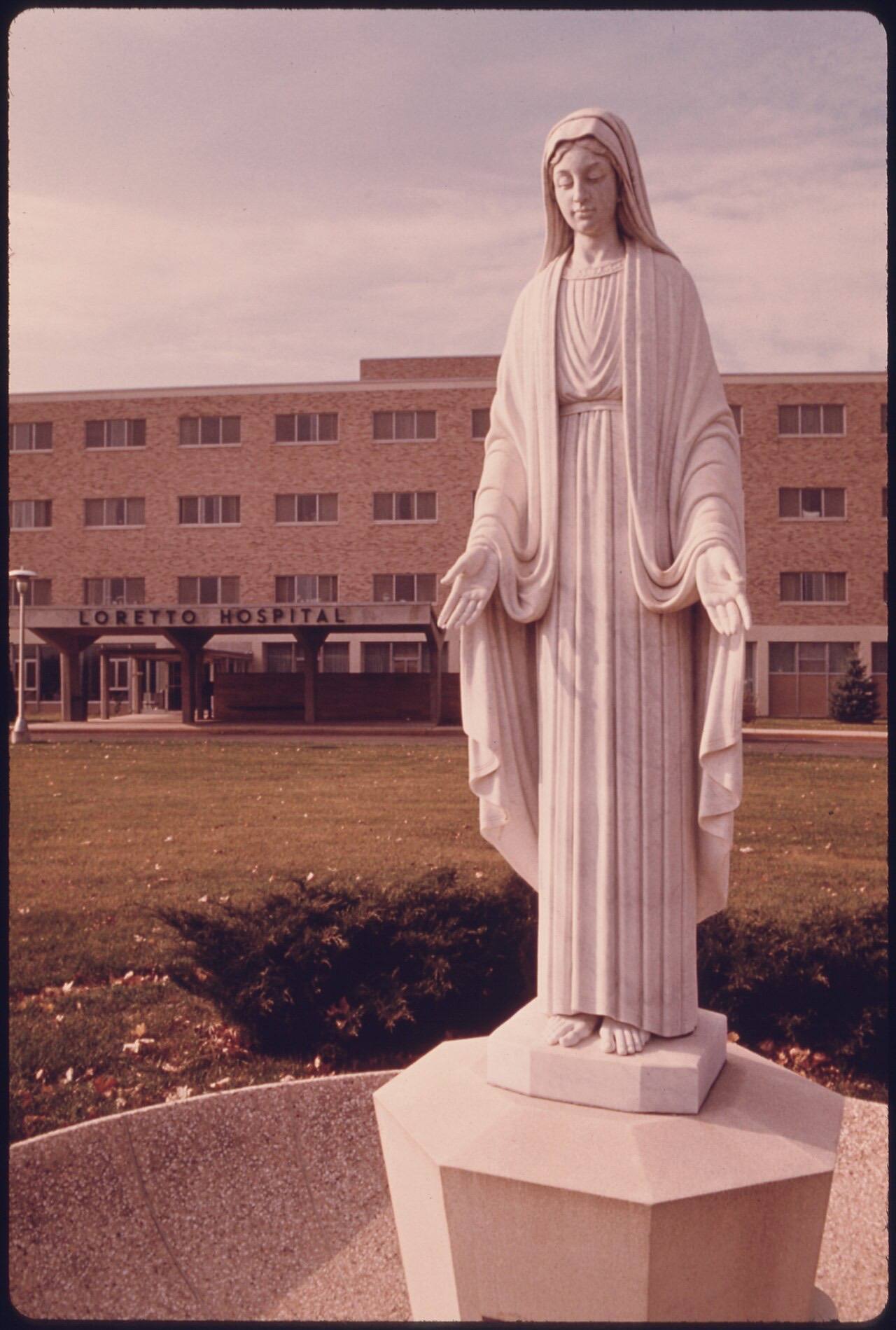
The healthcare system, in particular, finds itself at a crossroads as it prepares for the influx of older individuals seeking care. The conversation often pivots between two extremes: on one hand, the left pushes for expansive healthcare reforms, advocating for universal access and the allocation of resources to ensure that the elderly receive the care they rightfully deserve. On the other hand, the right often emphasizes fiscal responsibility, warning against what they perceive as an impending crisis of resources should we not rein in spending.
Both sides present valid points, yet the discourse often devolves into a polarized shouting match. The left's idealism can sometimes blind it to the realities of budget constraints, while the right's fixation on numbers can overlook the human element of care. The challenge lies in finding a middle ground that respects the needs of the aging population without neglecting the overarching fiscal health of the nation.
Social Implications
Moreover, the social implications of an aging population extend far beyond the realm of healthcare. Communities are increasingly being asked to adapt to the needs of older citizens, from accessible public spaces to transportation options that cater to those who may have mobility challenges. Yet, these adaptations often receive scant attention until they are deemed necessary by the loudest voices in the room.
It is crucial for policymakers and community leaders alike to recognize that aging should not be viewed solely through the lens of crisis management. Instead, there exists an opportunity to cultivate intergenerational relationships, where the wisdom of older generations can be shared and valued alongside the energy and innovation of youth. However, this requires a shift in perspective, moving away from the reductive view of aging as a burden and towards a more holistic understanding of the contributions that older adults make.
The Role of Family
Families also play a pivotal role in the care and support of aging relatives. The cultural expectation often leans towards the family unit as the primary caregiver, which can lead to strain and stress on those involved. The conversation surrounding family caregiving is often absent from broader discussions about aging, yet it is critical to acknowledge the emotional and financial toll that caregiving can impose.
Both the left and the right need to engage with this issue thoughtfully. The left might advocate for policies that support family caregivers, such as tax breaks or respite services, while the right could emphasize the importance of personal responsibility and the role of community support networks. Bridging this gap is essential if we want to create an environment where both aging individuals and their families can thrive.
Conclusion
As we navigate the complexities of an aging population, it is vital to foster discussions that transcend the partisan divide. Acknowledging the contributions of older adults while addressing the legitimate concerns surrounding healthcare and resources is essential. The narrative of aging should not be one of fear and burden, but rather one of opportunity and collaboration. It is within this middle ground that we can begin to craft a society that honors its elderly while preparing for a sustainable future.
✦ ✦ ✦