From the file. Written for the paper dated April 1976. Opened in the public stacks July 14, 2026.
As the nation grapples with the complexities of healthcare access and public health policy, the increasing reliance on public clinics presents a multifaceted challenge that demands scrutiny beyond mere identity politics.

Healthcare for All, or Just for Some?
In the era of expanding social programs, public clinics have been hailed as a beacon of hope for those without adequate health insurance. Yet, as we explore the realities of these institutions, it becomes evident that the conversation surrounding public clinics often becomes entangled in political rhetoric, rather than focusing on the pressing health needs of the community. This is a disservice to those who rely on these services for their very survival.
On one hand, proponents of public clinics argue that they offer essential services to the underprivileged and marginalized, serving as a vital lifeline for those who might otherwise fall through the cracks of the healthcare system. Advocates point to the need for universal healthcare and the expansion of services to ensure that no one is denied treatment due to their economic status. Yet, while the intentions are noble, the execution often lacks the necessary oversight and accountability.
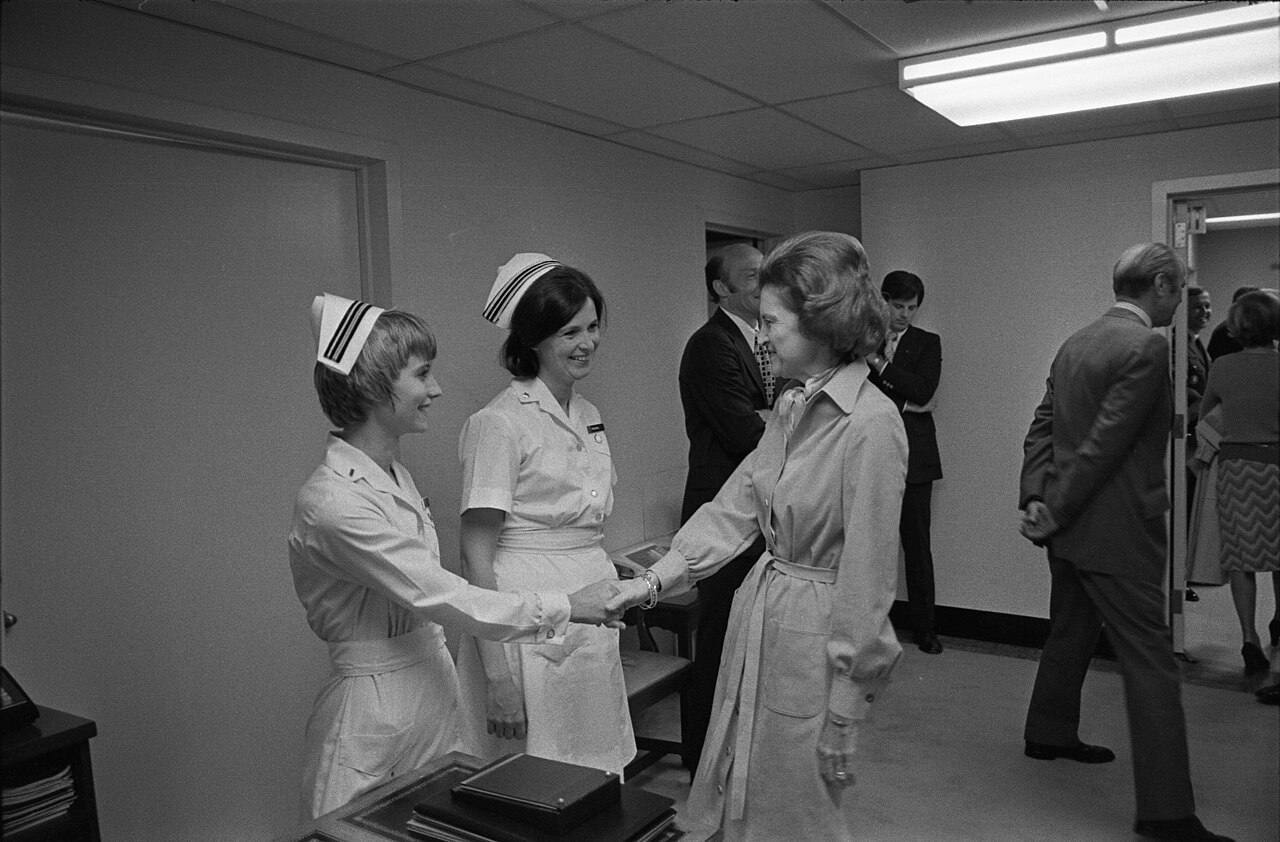
Conversely, critics argue that the proliferation of public clinics may lead to a dilution of quality in healthcare services, as resources become stretched and funding is allocated based on demographic rather than need. This viewpoint raises valid concerns regarding the effectiveness of public clinics. Are they truly serving the populations that need them most, or are they merely a way for policymakers to check a box in their quest for social justice?
The Politics of Identity in Healthcare
The intersection of healthcare and identity politics has become a contentious battleground in recent years. While it is essential to recognize the unique challenges faced by different communities, the emphasis on identity can overshadow the fundamental issues that affect all patients, regardless of background. The debate often shifts from how to improve healthcare access and quality to who deserves it based on their social identity.
“Healthcare should be about evidence-based practices rather than identity-based politics.”
Indeed, the focus should be on evidence before identity. Public clinics must prioritize implementing practices that are proven to enhance health outcomes, rather than simply catering to narratives that may not reflect the realities of the healthcare system. The challenge lies in balancing the imperative for inclusivity with the equally important need for effective and efficient healthcare delivery.
Public Clinics: A Patchwork Solution
The reality of public clinics is that they often operate as a patchwork solution to a systemic problem. Many clinics function under the auspices of government funding, but the resources they receive are frequently inadequate to meet the needs of their patients. Staffing shortages, lack of specialized services, and insufficient facilities are just a few of the challenges that can hinder the effectiveness of public clinics.
Moreover, the political winds that shape these clinics can be fickle. Funding can be cut or redirected based on changing administrations and shifting priorities, leaving clinics scrambling to provide care with limited resources. This unstable environment raises questions about the long-term viability of public clinics as a solution to healthcare disparities.
Toward a More Effective Model
To create a healthcare system that is truly equitable, we must move beyond the rhetoric of identity politics and focus on evidence-based models of care. This involves investing in public clinics not just as a means of providing surface-level solutions but as integral components of a cohesive healthcare strategy that prioritizes patient outcomes over political gain.
Public clinics should be empowered to innovate and adapt to the needs of their communities, rather than being shackled by bureaucracy and political agendas. This requires a concerted effort from all stakeholders - including policymakers, healthcare professionals, and community members - to engage in meaningful dialogue about what constitutes effective healthcare.
Conclusion
The issues surrounding public clinics are complex and multifaceted, requiring a nuanced approach that transcends the simplistic narratives often seen in political discourse. As we strive for a healthier nation, it is imperative that we advocate for a system that places evidence and outcomes at the forefront, ensuring that all individuals have access to the care they need, irrespective of their identity.
✦ ✦ ✦