From the file. Written for the paper dated March 1976. Opened in the public stacks July 14, 2026.
As public health officials rally to combat the threats posed by various epidemics, a growing chasm emerges between the claims made by authorities and the realities faced on the ground. This disparity raises critical questions about accountability and the effectiveness of our epidemic response.

The Promises of Public Health Officials
In recent months, we have witnessed a concerted effort by public health officials to assure the American people that the government is prepared to handle outbreaks effectively. From statements made in press conferences to the reassuring tones of reports circulated by health departments, the message is clear: we are ready. Yet, as we delve deeper into the actual responses to epidemics such as the recent outbreaks of influenza and other communicable diseases, a troubling picture begins to emerge.
Officials tout vaccines and rapid response teams as cornerstones of our epidemic strategy. They emphasize the importance of public awareness campaigns designed to educate citizens on preventative measures. However, the reality of implementation often falls short of these lofty claims. The logistical challenges of distributing vaccines remain significant, and the public is left to navigate a confusing landscape of information.
A Discrepancy in Preparedness
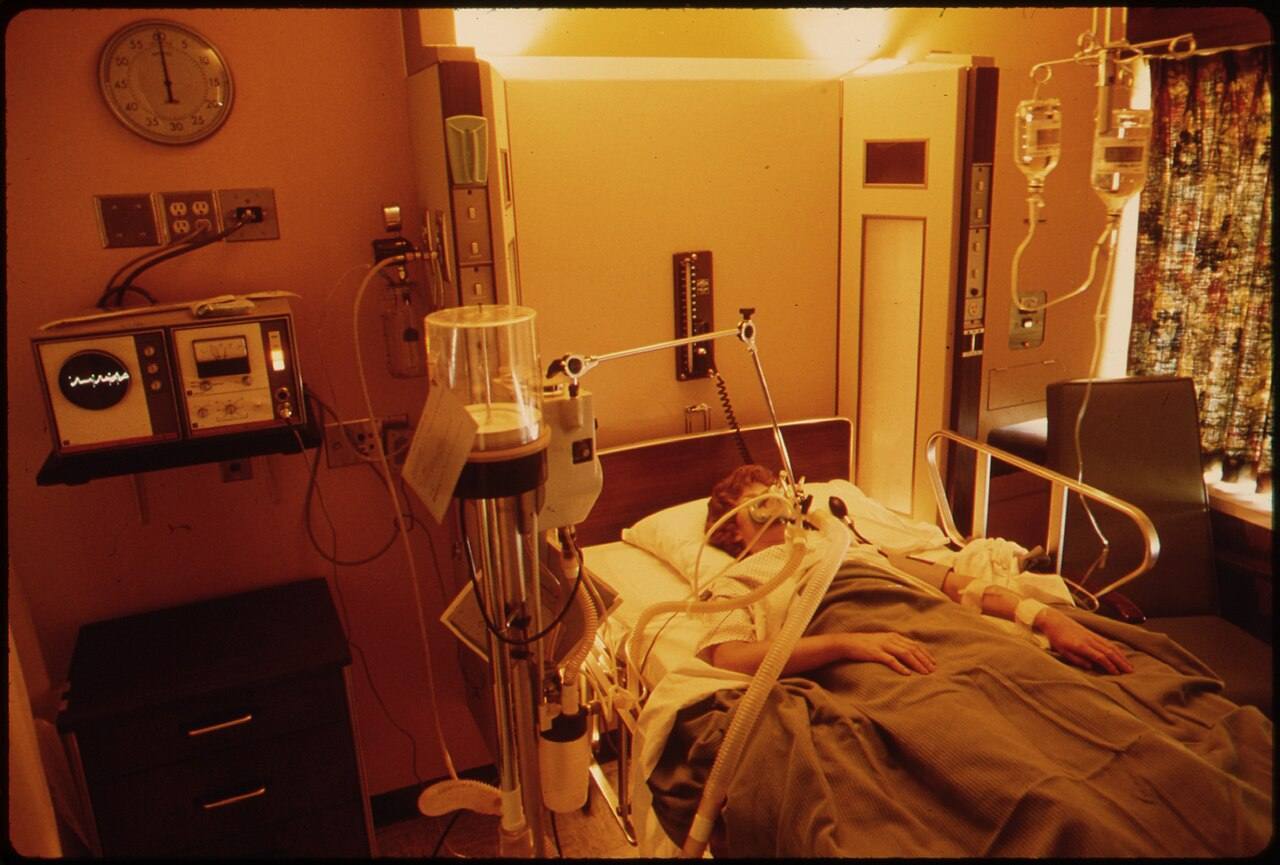
One cannot ignore the increasing anxiety among citizens regarding the government's preparedness to handle health crises. Reports from healthcare workers on the front lines illustrate a different story than the one painted by officials. In many cases, hospitals are ill-equipped to manage sudden surges of patients resulting from epidemics. Shortages of medical supplies, insufficient staffing, and outdated facilities hinder response efforts.
Additionally, the communication from public health agencies often lacks clarity or coherence. While some officials emphasize the importance of vaccination, others seem to downplay its significance. This inconsistency breeds confusion among the public, leading to skepticism and, at times, apathy regarding health advisories. It is imperative that public health messaging be unified and transparent if we are to foster trust and compliance from the citizenry.
"While officials assure us of their preparedness, the reality on the ground tells a different story."
The Role of Media and Public Perception
The media plays a pivotal role in shaping public perception of health crises and the government's response. Sensational headlines and alarming reports can generate panic, often overshadowing the more moderate voices advocating for calm and rational approaches to epidemic response. This can lead to a cycle of fear that complicates effective communication and response efforts.
On the other hand, some media outlets have been criticized for downplaying the severity of outbreaks, perhaps in an attempt to avoid inciting fear. This too can have detrimental effects, as it may lead the public to underestimate the risks and ignore critical health guidelines. It is essential that journalists maintain a balanced approach, offering accurate information while also highlighting the challenges faced by public health officials.
Political Rhetoric and Public Health
The intersection of politics and public health cannot be ignored. Both major parties have been quick to capitalize on the public's fears, using the current health crises to further their agendas. While some leaders push for increased funding and resources for public health initiatives, others advocate for a more hands-off approach, arguing that personal responsibility should take precedence over government intervention.
This political tug-of-war only serves to exacerbate the confusion surrounding epidemic response. When public health becomes a political battleground, the primary focus shifts away from the health of the populace towards scoring points in the political arena. Citizens are left to sift through competing narratives, often unsure of whom to trust.
Moving Towards Effective Solutions
To bridge the gap between public claims and reality, a more integrated approach to epidemic response is necessary. This includes not only improving the logistics of vaccine distribution and healthcare resources but also fostering clearer communication between officials, media, and the public.
Public health officials must prioritize transparency in their reporting, acknowledging the challenges while also outlining actionable steps being taken to address them. This honesty will help build trust and encourage compliance among the public.
Furthermore, collaboration between political leaders from both sides of the aisle is crucial. Public health should not be a partisan issue - effective responses to epidemics require a united front that prioritizes the well-being of all citizens over political gain.
Conclusion: A Call to Action
As the nation grapples with the realities of epidemic response, it is vital that the claims made by public officials align more closely with the experiences of healthcare workers and the public. Only through honest communication, improved resource allocation, and bipartisan cooperation can we hope to navigate the complexities of health crises effectively.
✦ ✦ ✦