From the file. Written for the paper dated February 1976. Opened in the public stacks July 14, 2026.
The backlog of veterans affairs claims has reached alarming levels, revealing a system more focused on self-preservation than on serving those who have sacrificed for their country.
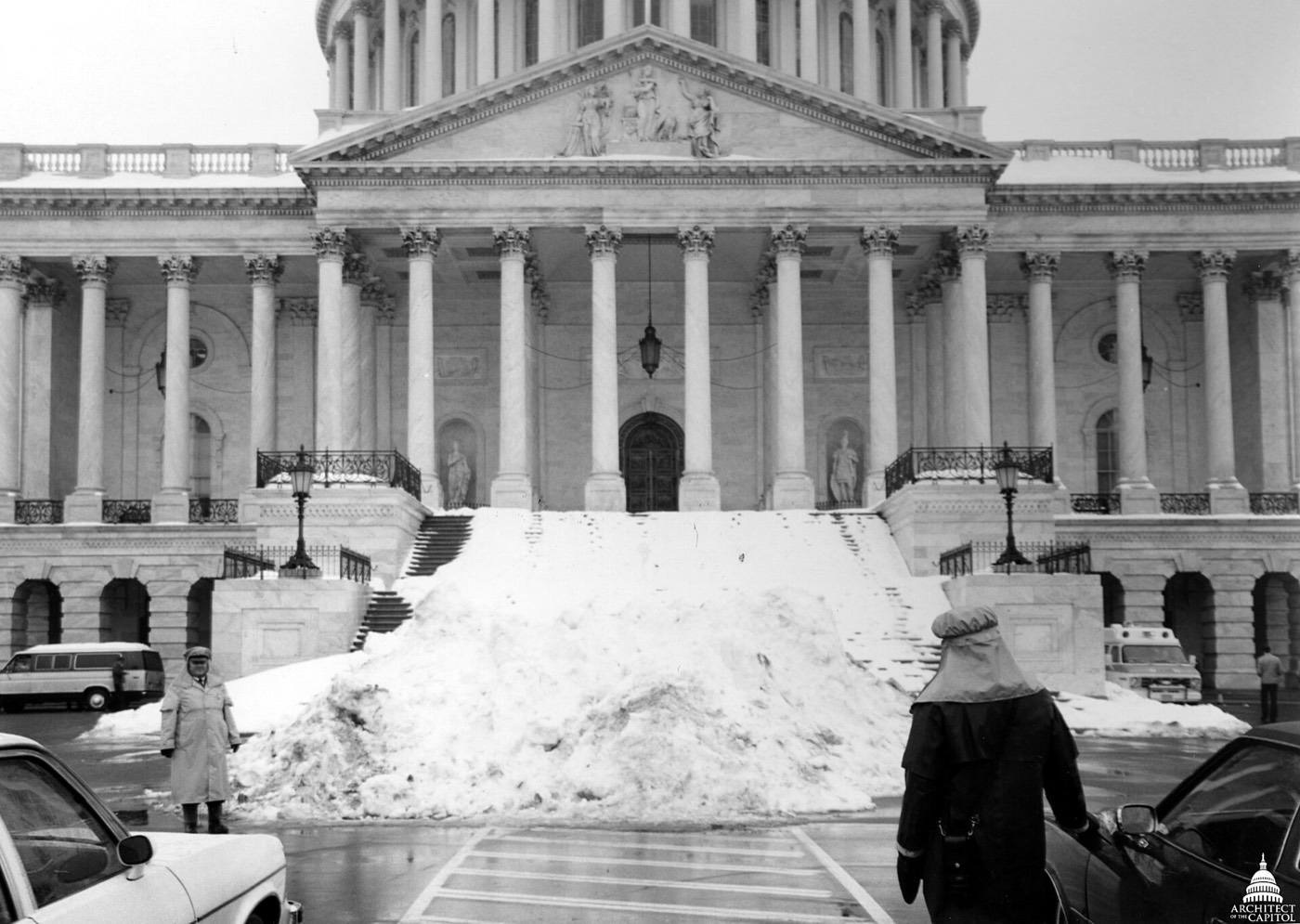
Trapped in Red Tape
The plight of our veterans has long been an issue that tugs at the heartstrings of Americans. Yet, as they return home, many find themselves ensnared in bureaucratic red tape, facing an overwhelming backlog that has grown to an untenable size. With countless claims pending, veterans are left wondering if their service is honored or forgotten. The reality is stark - veterans waiting for benefits are often met with indifference from the very institutions designed to support them.
This ongoing crisis highlights a troubling trend: our institutions seem more intent on protecting their own interests than on providing timely assistance to those who have served in harm's way. The Department of Veterans Affairs (VA) has become a labyrinthine entity where the needs of veterans are submerged under layers of paperwork and a culture resistant to change.
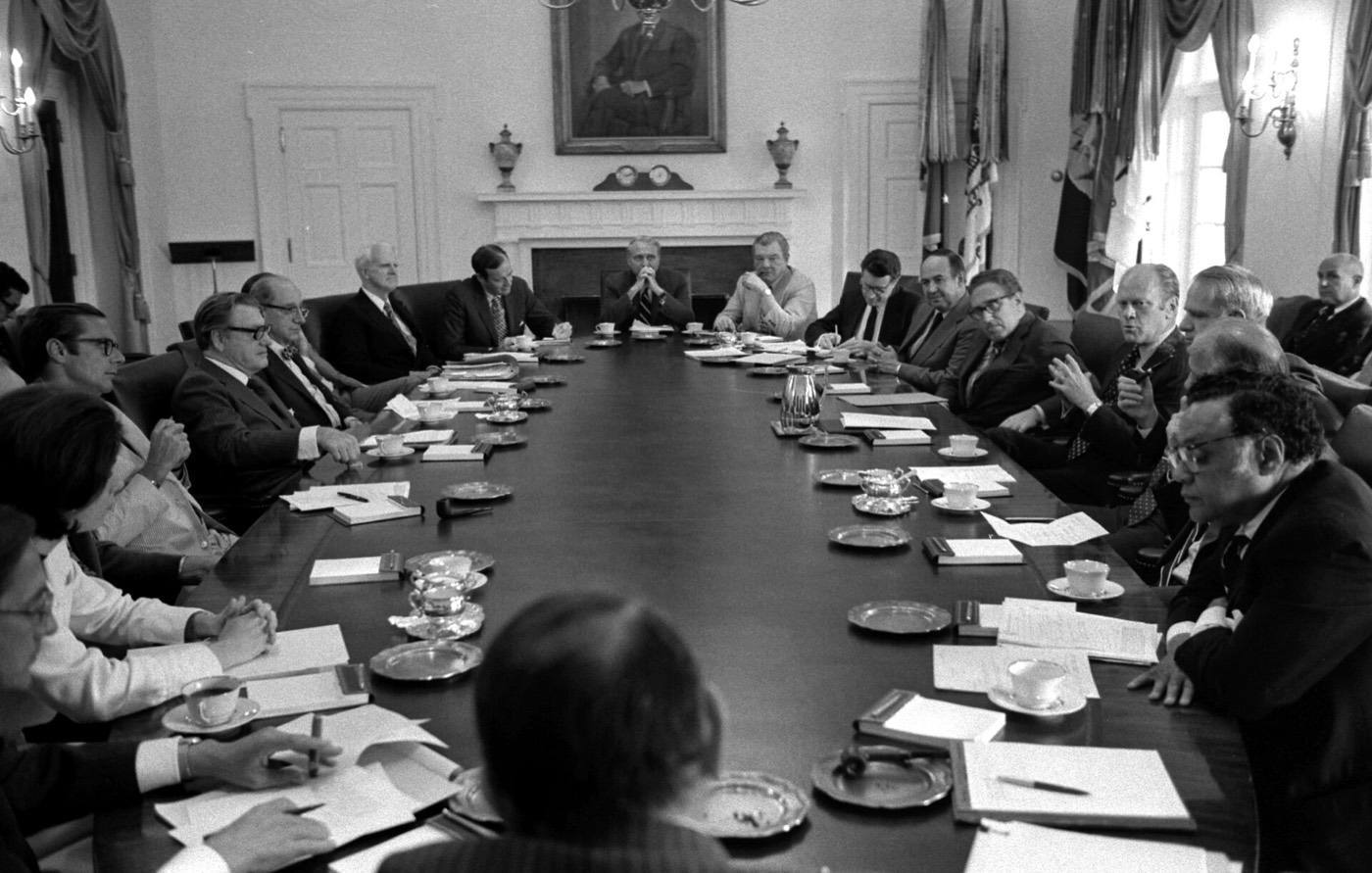
The Politics of Failure
Both sides of the political spectrum seem to have their own agendas when it comes to veterans affairs. On the left, there are calls for sweeping reforms to address the systemic issues within the VA, yet these ideas often get lost in the shuffle of partisan politics. Meanwhile, the right tends to focus on budget cuts and austerity measures, prioritizing fiscal conservatism over the welfare of our veterans.
What is often overlooked in this tug-of-war is the human cost. Veterans are not mere statistics or political pawns; they are individuals with families and dreams that have been put on hold while waiting for benefits that should be readily available. It is essential for both sides to recognize that their excesses - the left’s idealism and the right’s austerity - only serve to exacerbate the suffering of those who have put their lives on the line for our nation.
"When the system fails, it is the veterans who pay the price."
Institutional Inertia
As we observe the backlog grow, it becomes evident that institutional inertia plays a significant role in this crisis. The VA has been slow to adapt to the changing needs of veterans, often relying on outdated processes that do not reflect the realities of modern life. The very systems that should be facilitating claims are instead creating obstacles, leaving veterans frustrated and disillusioned.
Moreover, the culture within the VA often discourages accountability. Employees may feel more inclined to protect their positions than to advocate for timely resolutions for veterans. This protective instinct fosters an environment where delays are commonplace, and the plight of veterans becomes secondary to the institution's desire to maintain the status quo.
A Call to Action
It is imperative that we, as a nation, hold our institutions accountable. Veterans have given so much, and it is our duty to ensure they receive the support they deserve. This issue transcends political lines; it is a moral obligation to address the backlog and ensure that our veterans are treated with the dignity they have earned.
Both political parties must come together to find common ground. The left must temper its idealism with practical solutions, while the right should recognize that fiscal conservatism should not come at the cost of our veterans' well-being. A collaborative approach can lead to effective reforms that streamline processes and prioritize veterans' needs.
Conclusion
The current state of veterans affairs is a reflection of our national priorities. If we continue to allow institutions to protect themselves at the expense of those who have served, we risk losing sight of the values we profess to uphold. It is time for all of us - citizens, politicians, and bureaucrats alike - to come together and ensure that our veterans receive the care and support they deserve. The cost of inaction is far too great.
✦ ✦ ✦