From the file. Written for the paper dated February 1976. Opened in the public stacks July 14, 2026.
In an era marked by fervent debates over environmental policies and scientific accountability, the measurement of climate is becoming a battleground for institutional interests and public trust.

Science or Shield?
The discourse surrounding climate measurement is increasingly tangled in the web of organizational agendas. As we witness a swell of scientific inquiry into climate change, the way institutions present and interpret this data often reflects more about their internal priorities than the objective reality of our changing planet.
Institutions that once prided themselves on their commitment to unbiased science are now under scrutiny for how they navigate the treacherous waters of climate data. With funding often tied to specific outcomes, these organizations may inadvertently skew results or downplay findings that clash with established narratives, creating a perilous disconnect between science and reality.
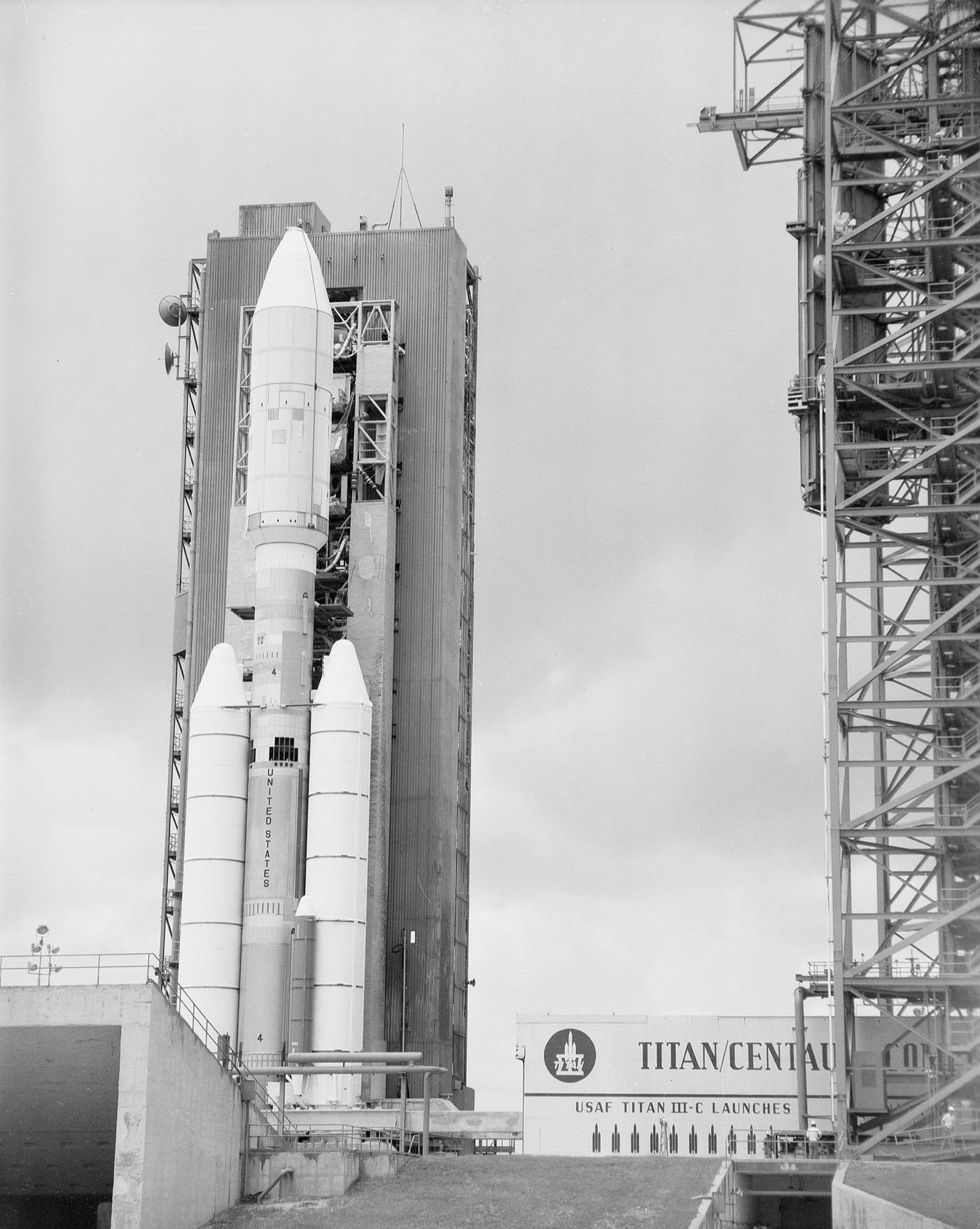
"In a world where data can be molded to fit institutional narratives, the integrity of our climate science is at stake."
On one hand, we have government institutions, which are often beholden to political pressures. The push for economic growth frequently overshadows environmental concerns, leading to a reluctance to fully embrace findings that might suggest drastic changes are needed. This is particularly evident when reports reveal the potential economic costs of transitioning to sustainable practices. Instead of advocating for necessary reforms, the tendency is to protect the status quo, often at the expense of honest scientific discourse.
On the other side, we see a surge of grassroots organizations and activist groups that, while well-intentioned, can sometimes fall into the trap of sensationalism. They often portray climate data in alarmist tones, which can alienate potential allies who might otherwise support environmental initiatives. While the urgency of climate change is undeniable, exaggerating scientific findings can lead to skepticism among the public, undermining genuine efforts for change.
Institutional Accountability
As the stakes rise, the need for accountability within scientific institutions becomes ever more critical. The scientific community must grapple with the inherent biases that can emerge when funding sources and institutional objectives become intertwined with research outcomes. Transparency in methodology and funding sources can help to restore faith in climate science, but this requires a cultural shift within many organizations that have long operated behind closed doors.
To combat this issue, some institutions have begun to implement measures to ensure that data is presented with integrity. Peer review processes are being strengthened, and collaborative projects between universities and independent researchers are becoming more commonplace. Such initiatives are essential in creating a robust framework for climate research that is insulated from political and institutional pressures.
The Role of the Media
The media, too, plays a pivotal role in shaping the narrative around climate science. The sensational headlines that often accompany climate reports may not reflect the nuanced findings of the studies themselves. Instead of fostering an informed dialogue, they can create a polarized environment where rational discourse is sacrificed for dramatic effect. The challenge lies in striking a balance between raising awareness and providing accurate information.
Journalists must strive to present climate issues with the complexity they deserve, avoiding the pitfalls of simplification that can lead to misinformation. By focusing on the science - its methodologies, limitations, and implications - reporters can facilitate a more constructive conversation about our planet's future.
Moving Forward
The path towards effective climate action demands a concerted effort from all stakeholders - government, scientific institutions, grassroots movements, and the media. Each entity must recognize its role in fostering an environment where data can be discussed openly and honestly, free from the distortions of bias or sensationalism.
As we forge ahead, the challenge of climate measurement will not merely be a scientific endeavor but a social one as well, requiring collaboration and trust among diverse groups. Only then can we hope to address the pressing issues that threaten our environment, ensuring that our understanding of climate is grounded in reality rather than institutional self-preservation.
✦ ✦ ✦