From the file. Written for the paper dated January 1976. Opened in the public stacks July 14, 2026.
In the wake of President Ford's recent State of the Union address, a palpable tension lingers in the air as both sides of the political aisle grapple with the fallout. The rhetoric was bold, but the reality is fraught with excesses that threaten to overshadow genuine progress.
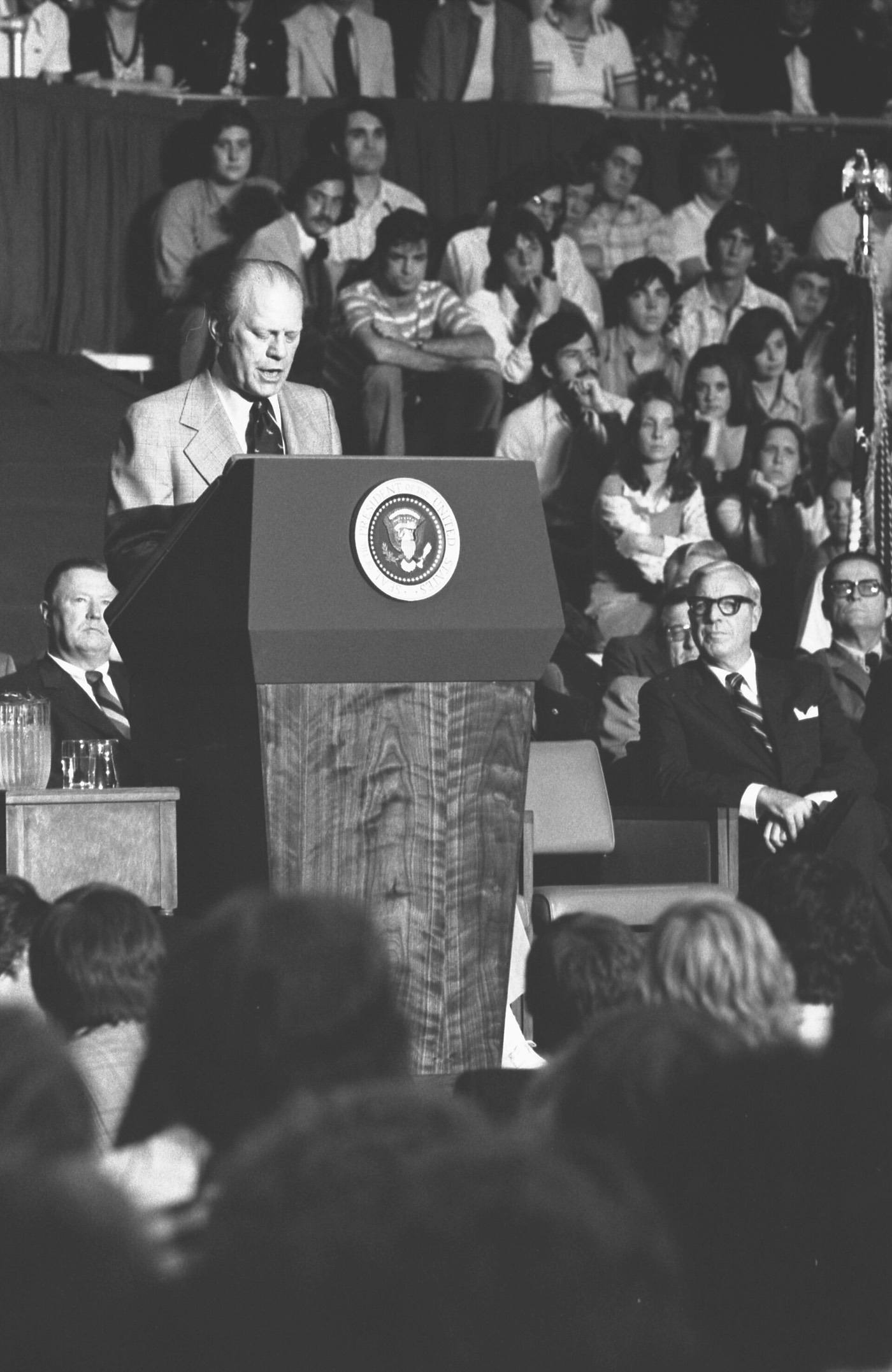
Democratic Dissonance
The Democrats have long positioned themselves as champions of the working class, yet the current atmosphere reveals a party divided. On one hand, you have the establishment figures preaching a message of moderation and compromise, while on the other, the leftist faction demands radical change to combat what they see as deep-seated inequities in American society. This schism is exemplified in the reaction to Ford’s proposals on welfare reform and healthcare, where the establishment's cautious approach stands in stark contrast to the more aggressive demands from the left.
“The problem is not just Ford’s policies; it is the Democrats’ inability to present a unified front.”
As the Democrats prepare for the upcoming elections, it is imperative that they move beyond self-inflicted divisions. The party must acknowledge that while progressive ideals resonate with a core base, they risk alienating moderate voters who are concerned about the fiscal implications of radical reforms. The party's challenge lies in striking a balance - advocating for social justice and economic equity without unduly frightening the centrist electorate.

Republican Rhetoric
Conversely, the Republicans seem to be stepping into a quagmire of their own making. President Ford's address was characterized by a call for unity and bipartisanship, yet the actions of some party members tell a different story. The right wing of the party continues to cling to a staunchly conservative agenda, frequently pushing for tax cuts and deregulation that critics argue primarily benefit the wealthy. This hardline stance, while appealing to the party's most fervent supporters, risks alienating moderate Republicans and independents who recognize the need for responsible governance.
“The GOP must grapple with the reality that extreme positions may lead to extreme consequences.”
The party faces a critical juncture. With the economy teetering on the edge of recession and public trust in government dwindling, Ford’s administration must navigate the treacherous waters of public discontent. A failure to address the pressing needs of the average American could create a vacuum that more extreme voices within the party could exploit. The question remains: can the Republican establishment temper its more radical elements to pursue a platform that genuinely addresses the concerns of the electorate?
The Middle Ground
In this fraught political landscape, there is a pressing need for leaders on both sides to find common ground. The American public is weary of partisan bickering and is looking for solutions, not slogans. The State of the Union address, while a reflection of the president’s priorities, should also serve as a reminder that collaboration is essential to tackling the issues at hand. From soaring inflation to social unrest, the challenges facing the nation are not insurmountable, but they do require a concerted effort from both parties.
The electorate is not interested in extreme positions; they are interested in results. As the nation grapples with economic uncertainty and social unrest, the ability of both parties to engage in constructive dialogue will determine not only their political futures but the wellbeing of the country as a whole.
Conclusion: A Call for Unity
Ultimately, the aftermath of the State of the Union address provides a critical opportunity for reflection. Both parties must recognize the limitations of their current strategies and the necessity of compromise. The excesses on both the left and right serve only to deepen divisions and distract from the pressing issues at hand. A united front is not just idealistic; it is essential. Without it, the American political landscape risks becoming an echo chamber of discontent, leaving the average citizen feeling unheard and unrepresented.
✦ ✦ ✦