From the file. Written for the paper dated January 1976. Opened in the public stacks July 14, 2026.
As the new year unfolds, the nation grapples with a worrying spike in commodity prices that has sent ripples through both the left and right sides of the political spectrum. With inflation looming large, both parties are scrambling to address the economic realities facing American families.
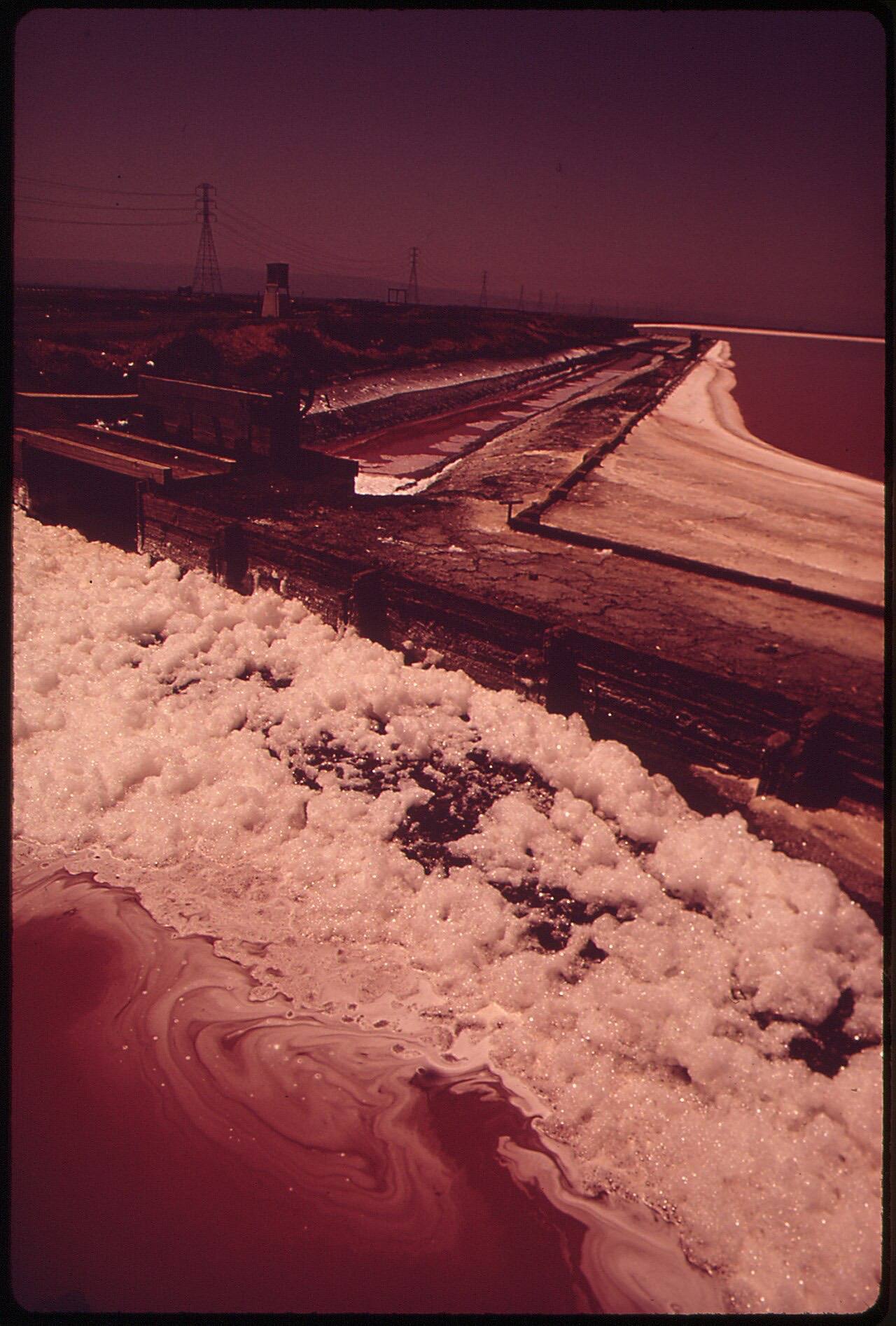
Understanding the Commodity Spike
The recent surge in the prices of essential commodities - ranging from oil and gasoline to grains and livestock - has raised alarms across the country. Reports indicate that the cost of living is climbing at an alarming rate, leaving many Americans feeling the pinch at their grocery stores and gas stations. This situation has prompted a flurry of activity in Washington, as lawmakers from both parties seek solutions to ease the burden on their constituents.
The left, largely represented by the Democratic Party, is advocating for governmental intervention to stabilize prices. Their calls for price controls and increased regulation are gaining traction among those who argue that corporate greed is a significant factor driving prices upward. Proponents of this view assert that without government oversight, monopolistic practices will continue to exploit consumers. However, critics point out that such measures could stifle innovation and lead to shortages, as businesses may be less inclined to produce goods when their profits are restricted.
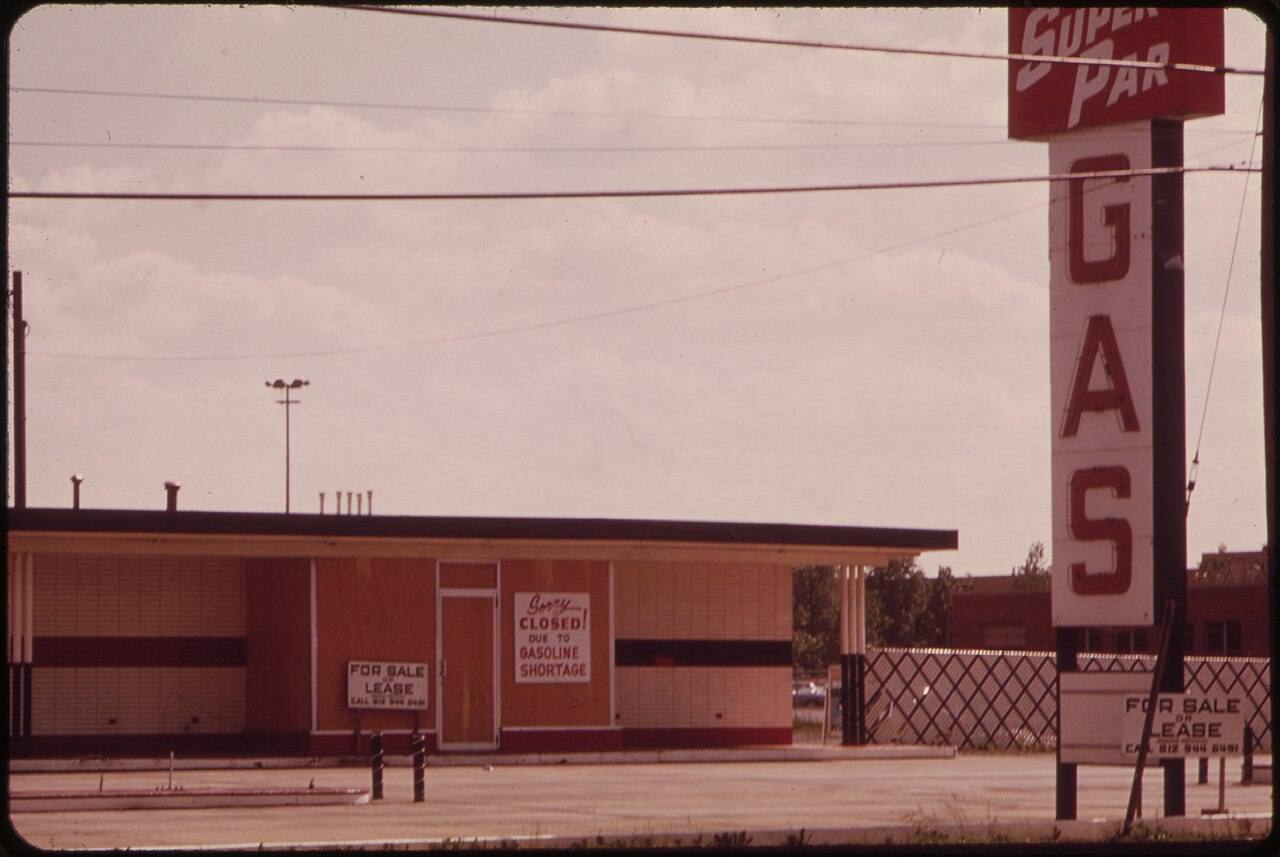
The Right's Response
On the other side of the aisle, Republicans are pushing for a free-market approach to address the crisis. They argue that government intervention often leads to more harm than good, stifling competition and preventing the natural correction of the market. Instead, they propose tax incentives and deregulation as a way to spur production and bring prices down. This perspective resonates with many who believe that the market, if left to its own devices, will eventually balance itself out.
"The free market is the best solution for solving inflation, not government control." - Republican strategist
However, this laissez-faire attitude has its detractors, particularly amidst rising discontent among consumers who see their wages failing to keep pace with the soaring costs of everyday essentials. Many fear that an unregulated market could lead to further inequality, as the wealthiest corporations capitalize on the situation while ordinary Americans struggle to make ends meet.
The Middle Ground
As both sides dig in their heels, there appears to be an opportunity for compromise that could address the concerns of both parties. A balanced approach that incorporates targeted interventions without resorting to sweeping price controls may be the answer. For instance, providing subsidies for key agricultural products while simultaneously encouraging competition in the energy sector could help alleviate some of the immediate pressures on consumers without stifling the economy.
Moreover, both parties must recognize that the root causes of the commodity spike - including geopolitical tensions, supply chain disruptions, and climate change - require nuanced solutions that go beyond partisan rhetoric. The current crisis should serve as a wake-up call for lawmakers to work collaboratively and address the underlying issues that contribute to price volatility.
The Role of Consumers
While politicians bicker, consumers are left to navigate the increasingly difficult economic landscape. Many families are forced to make tough choices, cutting back on non-essential purchases and seeking out discounts wherever possible. This situation underscores the importance of consumer advocacy and education, as individuals become more aware of their purchasing power and the impact of their choices on the market.
Ultimately, the current commodity spike is a complex issue that defies simple solutions. Both the left and right must recognize the importance of collaboration in crafting effective policies that address the needs of the American people. As we move deeper into the year, it will be critical for lawmakers to set aside partisan differences and prioritize the welfare of their constituents over political posturing.
Conclusion
As January unfolds, the American public watches closely to see how their leaders respond to the challenges presented by the commodity spike. With rising prices affecting every corner of the nation, there is little room for error. Both sides of the aisle must navigate these turbulent waters with caution, recognizing the potential consequences of their decisions on the everyday lives of citizens.
✦ ✦ ✦