From the file. Written for the paper dated December 1975. Opened in the public stacks July 14, 2026.
As the year draws to a close, the conversation surrounding oil prices has reached a fever pitch, with both sides of the political spectrum clamoring for attention. Yet, amidst the cacophony of rhetoric, the underlying mechanisms governing these prices remain as critical as ever.
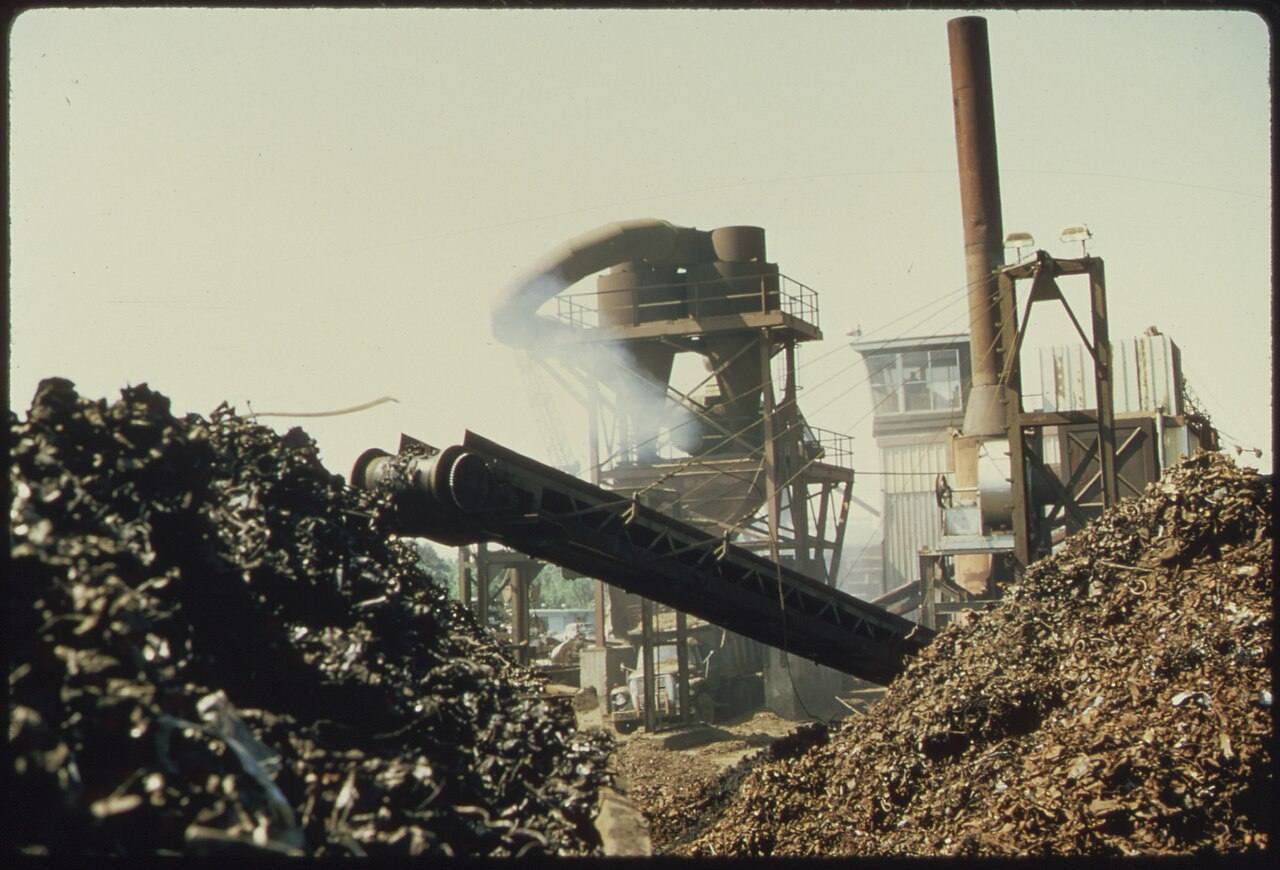
Understanding the Dynamics of Oil Pricing
In December 1975, oil prices remain a focal point of economic debate across the nation. The Organization of the Petroleum Exporting Countries (OPEC) has become synonymous with high prices, and yet, the situation is far more complex than a simple villainization of foreign powers. While OPEC's actions certainly impact global markets, local factors and domestic policies play an equally significant role in shaping the price at the pump.
The mechanism behind oil pricing can be likened to a vast machine, with countless gears turning in tandem to produce the final outcome. Supply and demand, geopolitical stability, production costs, and even seasonal consumption patterns all work together to dictate the price of crude oil. Nevertheless, it is often the sensationalist headlines that dominate the conversation, drowning out the subtler but no less important forces at play.
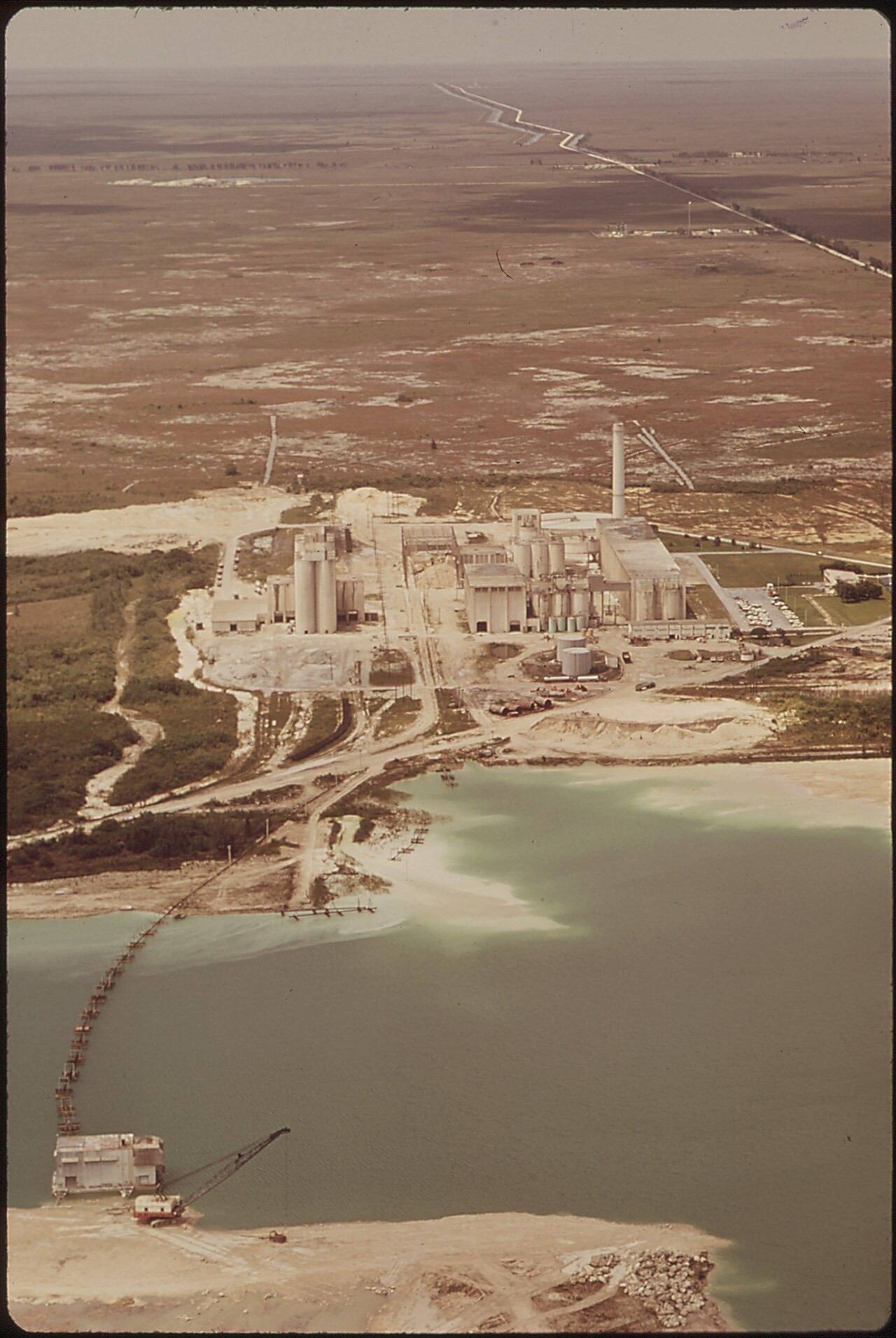
“The sensationalism surrounding oil prices often overshadows the critical mechanisms that govern them.”
One cannot overlook the impact of domestic policies and energy conservation measures as the United States grapples with its own energy crisis. In an era defined by high inflation and economic uncertainty, the government has taken steps to stabilize the market through price controls and regulations. However, such measures can lead to unintended consequences, often resulting in shortages and further unrest among consumers.
Left and Right: A Critique of Excess
As we analyze the current state of oil prices, it becomes imperative to address the excesses displayed by both the left and the right. On the left, there is a tendency to call for sweeping government intervention as a panacea for rising prices. While the intentions may be noble, this approach often overlooks the complexities of the market and the potential for stifling innovation within the energy sector. Overregulation can lead to inefficiencies and ultimately harm the very consumers it aims to protect.
Conversely, the right tends to advocate for an unbridled free market, suggesting that any form of government intervention is detrimental to economic growth. However, this perspective is equally flawed. The realities of our interconnected global economy mean that unfettered market forces can lead to wild fluctuations, leaving consumers at the mercy of international turmoil and price speculators. A balanced approach, one that recognizes the value of both regulation and market forces, is essential for cultivating a stable energy environment.
Moreover, as discussions of energy independence circulate, it is crucial to acknowledge the role of alternative energy sources. While fossil fuels have dominated the landscape, the potential for renewable energy technologies is beginning to surface. The left often champions these alternatives, but without a pragmatic plan for integration, the transition can be a mere pipe dream. The right, meanwhile, may dismiss these innovations as impractical, yet they represent a crucial aspect of future energy policy. A bipartisan commitment to investing in research and infrastructure for alternative energy could pave the way for a more sustainable future.
The Global Context and Future Implications
It is important to recognize that America's oil pricing is not an isolated phenomenon. The global context cannot be ignored, as tensions in the Middle East continue to affect supply chains and production levels. The possibility of conflict can send shockwaves through the market, leading to price spikes that disproportionately impact the average American consumer. Thus, the need for a comprehensive foreign policy that prioritizes energy security has never been more pressing.
Furthermore, as we approach a new year, the question of energy conservation looms larger than ever. Rising prices may compel a more profound public interest in energy efficiency and conservation efforts. However, without a concerted effort to educate and incentivize consumers, such initiatives could fall flat. It is incumbent upon both the government and private sector to collaborate in fostering a culture of conservation that addresses the realities of our energy landscape.
In conclusion, as we reflect on the state of oil prices in December 1975, it is essential to strip away the sensationalism that often clouds our judgment. The mechanisms behind oil pricing are intricate and demand a nuanced understanding. Both the left and the right must confront their respective excesses and work towards a more balanced approach that recognizes the complexity of the challenges ahead. Only through cooperation and innovation can we hope to navigate the turbulent waters of energy economics and secure a stable future for all Americans.
✦ ✦ ✦