From the file. Written for the paper dated October 1975. Opened in the public stacks July 14, 2026.
In our fast-paced society, the virtue of patience seems to be in short supply. From the halls of Congress to the local diner, we are witnessing a trend of immediate gratification that undermines the very foundations of reasoned discourse and productive action.
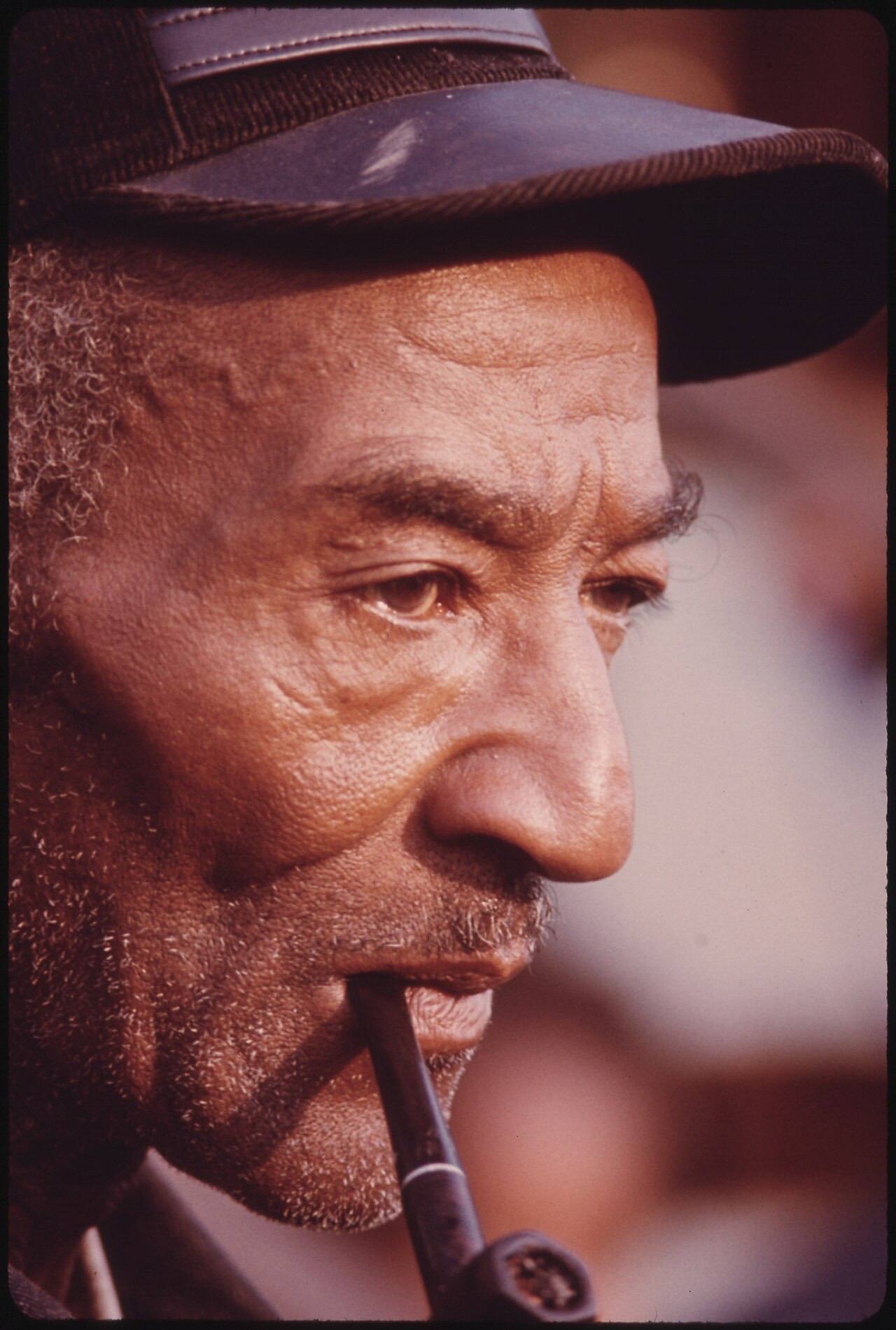
Public Claims and the Reality Check
Patience, once esteemed as a critical virtue in both personal and public life, is now a rare commodity. Politicians, activists, and everyday citizens alike rush to make sweeping claims, often without a careful examination of the context or the implications of their statements. This tendency has led to a political landscape rife with hyperbole and misleading narratives.
The left has often been accused of fostering an environment of impatience, fueled by its passionate calls for social justice and systemic change. While the urgency for reform is undoubtedly justified - considering the civil rights struggles and the fight against poverty - the left's fervor can sometimes overshadow the necessity for deliberation and strategic planning. Without these elements, well-intentioned initiatives can turn into chaotic movements that ultimately fail to achieve their goals.
On the other hand, the right has its own brand of impatience, often manifesting through a refusal to adapt to changing societal norms. This segment tends to cling to longstanding traditions and values, yet their resistance to change can lead to a stagnation that alienates younger generations. The call for a return to "law and order" and the insistence on maintaining the status quo can be seen as a lack of willingness to engage with the pressing issues of our time.
"In a world that demands instant responses, the value of patience is lost in the rush to judgment."
The Consequences of Impatience
The consequences of this dual excess - impatience from both the left and right - can be detrimental. In political discourse, the absence of patience leads to a failure to listen and understand differing viewpoints. As a nation, we ought to seek common ground rather than become further entrenched in our ideological divides.
Moreover, the impatience demonstrated by both sides often manifests in the realm of policy-making. Quick fixes are favored over thoughtful solutions, resulting in legislation that may address symptoms rather than root causes. The recent healthcare debate exemplifies this trend: hasty policy decisions can exacerbate existing problems instead of cultivating long-term benefits for the populace.
Restoring Patience in Public Discourse
To restore patience as a guiding principle in public life, we must remind ourselves of its inherent value. Engaging in respectful dialogue, allowing for the exchange of ideas, and taking the time to consider all sides of an argument can lead to more effective solutions and a more unified society.
Moreover, patience can be a powerful tool for accountability. By taking the time to fact-check assertions and demand evidence for claims, we can create a political culture that values truth over rhetoric. This approach not only benefits our democratic processes but also strengthens the trust between citizens and their leaders.
It is essential for both the left and the right to embrace a posture of patience, recognizing that meaningful change often takes time. As we navigate the complexities of policy and social issues, we must resist the urge to react impulsively. Instead, we should cultivate a willingness to engage in thoughtful deliberation, understanding that progress is a marathon, not a sprint.
Conclusion: A Call for Reflection
As we move forward into an uncertain future, let us take a moment to reflect on the virtue of patience. Both the left and the right must recognize the perils of impatience and strive to foster an environment of understanding and collaboration. Only then can we hope to bridge the divides that threaten to tear our society apart.
✦ ✦ ✦