From the file. Written for the paper dated October 1975. Opened in the public stacks July 14, 2026.
As the leaves turn and the chill of autumn settles in, a troubling specter looms over Main Street: bankruptcies. The financial distress gripping small businesses across the nation reveals a stark contrast between public claims and the hard numbers.
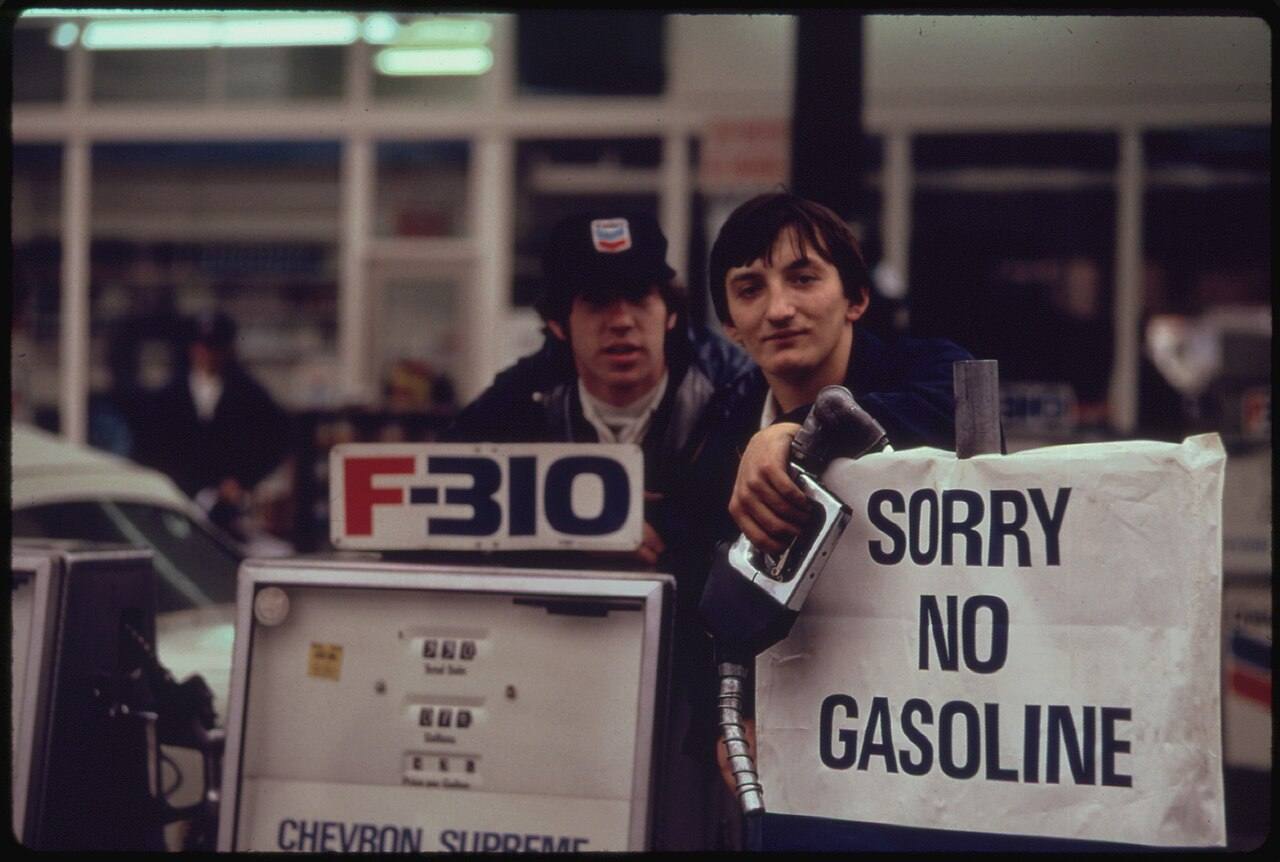
Public Optimism vs. Economic Reality
The rhetoric from both sides of the political spectrum paints a picture that does not match the reality on the ground. On one hand, proponents of unfettered capitalism insist that the economy is recovering, buoyed by growth in some sectors. Yet, in stark contrast, the stories from Main Street tell a different tale. Small businesses, the backbone of the American economy, are closing their doors at alarming rates.
Left-wing commentators, meanwhile, decry the excesses of corporate greed and call for increased government intervention. They argue that without significant policy changes, the plight of small businesses will only worsen. While their intentions may be noble, their solutions often overlook the complexity of the issues at hand, veering dangerously close to overreach that could stifle the very entrepreneurship they seek to protect.

"Small businesses are being squeezed from all sides, and the political narratives are failing to capture the full picture."
The Numbers Tell a Different Story
As of October 1975, official records indicate a sharp increase in bankruptcies among small businesses. While politicians tout job growth in other sectors, the reality for Main Street is one of layoffs, shuttered storefronts, and lost dreams. The National Bankruptcy Research Center reports a notable rise in filings this year, particularly among service-oriented businesses, which have historically relied on steady foot traffic and loyal customers.
The disparity between public claims and the actual number of businesses folding raises questions about the broader economic narrative. Are policymakers too focused on appeasing corporate interests to acknowledge the struggles of smaller enterprises? Or are they simply out of touch with the realities faced by their constituents?
Voices from Main Street
To better understand the situation, I spoke with several small business owners who have recently faced financial hardship. Their stories reveal a common theme: rising costs, dwindling sales, and a sense of abandonment by both political parties. One owner of a local diner lamented the rising price of food supplies, saying that while the cost of ingredients has skyrocketed, customers remain reluctant to spend their hard-earned dollars on dining out.
This sentiment is echoed across various sectors. Retailers are grappling with overstock and underwhelming foot traffic, while service providers find it increasingly difficult to attract new clients. Business owners are left to wonder: where is the support from the government when the going gets tough?
"We've put our blood, sweat, and tears into these businesses, and it feels like no one is listening."
The Political Landscape
In the current political climate, both the left and the right seem to be missing the mark in addressing the concerns of small business owners. The right promotes tax cuts and deregulation as panaceas, but these measures often favor larger corporations, leaving the little guy out in the cold. Meanwhile, the left advocates for increased regulation and government assistance without clearly outlining how these policies will be funded or implemented without further burdening taxpayers.
As the country grapples with economic uncertainty, it is crucial for both sides to strike a balance. Policies should not only address the needs of big corporations but also focus on the unique challenges faced by small businesses. A one-size-fits-all approach will only exacerbate the divide between the two and leave Main Street to fend for itself.
Moving Forward
As we stand at this crossroads, it is evident that the future of small businesses hinges on a collaborative effort to craft solutions that are inclusive and practical. Both sides of the political aisle must come together to listen to the voices of Main Street and develop policies that reflect the realities of the marketplace. Without such a commitment, the promises made in election cycles may ring hollow as more businesses file for bankruptcy, leaving communities devastated in their wake.
✦ ✦ ✦