From the file. Written for the paper dated September 1975. Opened in the public stacks July 14, 2026.
As the specter of government shutdown looms over Washington, a closer examination reveals how both political parties engage in brinkmanship that ultimately protects their own institutional interests while placing the American public in a precarious position.

Partisan Politics at the Forefront
The ongoing tug-of-war between Democrats and Republicans has reached a fever pitch, with each side vying for control and influence over budgetary decisions that will impact millions of Americans. Yet, in this high-stakes game, it seems the primary concern is not the welfare of the constituents but rather the preservation of power and prestige within their respective parties.
Democrats, who traditionally advocate for social programs and government spending, find themselves caught in a paradox. They are keen to protect the welfare programs that millions depend on, yet their willingness to compromise has often been met with resistance from the more radical factions within their party. On the other hand, Republicans, who champion fiscal conservatism, have shown readiness to leverage the possibility of a shutdown as a tool to advance their agenda, even as it threatens to disrupt essential services. This is not merely a struggle over budgetary numbers; it is a battle for the ideological soul of the nation.
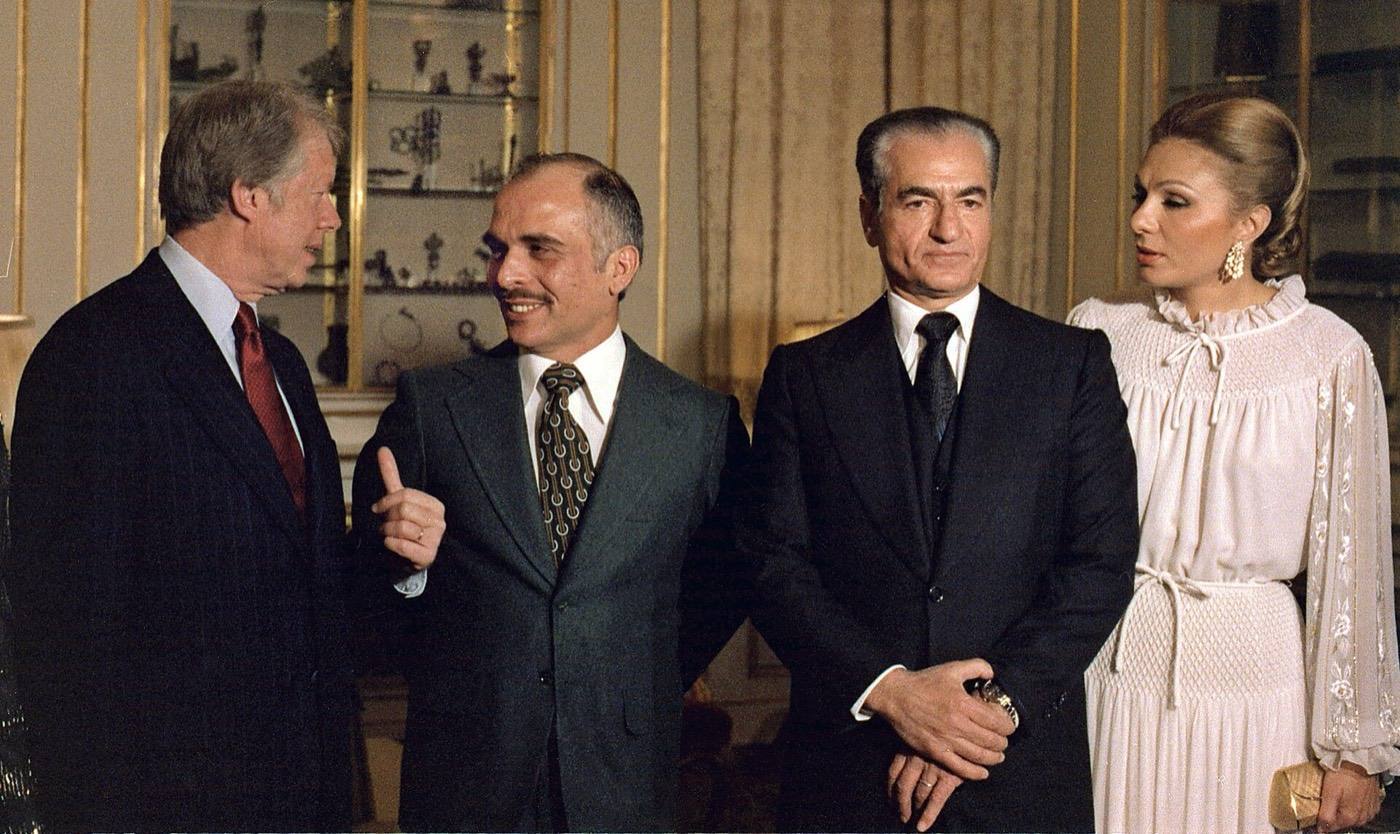
"In the end, it seems that protecting party interests trumps the needs of the American people."
The Impact on Everyday Americans
As legislators posture and debate, it is the everyday American who stands to suffer the consequences of their brinkmanship. Government shutdowns mean halted services, delayed payments, and uncertainty for those relying on federal assistance. The notion that politicians can play with the livelihoods of their constituents as a bargaining chip reflects a disturbing trend in our political culture - one where the political elite appear more concerned with their own survival than the very people they are elected to serve.
Both sides are guilty of this maneuvering. The left often resorts to emotional appeals, invoking the plight of the vulnerable in a bid to garner support, while the right can be equally dramatic, framing their fiscal responsibility as a moral imperative. Yet amid the fervor, the real issues at hand - unemployment, healthcare, and social welfare - become secondary to party rhetoric.
Institutional Self-Preservation
What becomes increasingly apparent in this political theater is how both parties are more focused on institutional preservation than on governing effectively. The Democrats are keen to uphold programs such as Social Security and Medicare, not solely for the sake of the people but to maintain their relevance as the party of social safety nets. Meanwhile, Republicans cling to the notion of fiscal discipline, using the threat of shutdown as a means to reinforce their identity as the party of limited government.
Yet, this self-preservation often leads to a cycle of dysfunction, where bipartisanship becomes a rarity, and the government is held hostage by a small group of ideologues on either side. The lack of collaboration undermines the very institutions that are supposed to function cohesively for the benefit of the public.
Brinkmanship as a Strategy
Brinkmanship has become a strategy in itself, with each party willing to push the envelope to gain leverage. The irony lies in the fact that while both sides claim to represent the interests of the American people, their actions often betray this promise. This political gamesmanship results in a government that is not only ineffective but also profoundly disconnected from the realities faced by its citizens.
As the days tick down to the potential shutdown, one must wonder if our elected officials will prioritize the American people over their party lines. The answer remains uncertain, but what is clear is that the current approach to governance is failing the very constituents who place their trust in these representatives.
A Call for Accountability
It is imperative that constituents hold their representatives accountable for the decisions that lead to shutdowns and the subsequent hardships that ensue. The need for responsible governance transcends party lines; it is a call for leaders who will prioritize the needs of the nation above their own political ambitions. The American public deserves a government that functions effectively, and it is high time that those in power recognize their duty to the people over party politics.
As we navigate these turbulent waters, let us remind our leaders that their ultimate responsibility is to the American people, not to the interests of a select few within their party. Only through a commitment to cooperation and compromise can we hope to see a government that truly serves its citizens.
✦ ✦ ✦