From the file. Written for the paper dated August 1975. Opened in the public stacks July 14, 2026.
As the nation grapples with rising hospital costs, both the left and the right are offering solutions that, while well-intentioned, may overlook the complexities of the healthcare landscape.
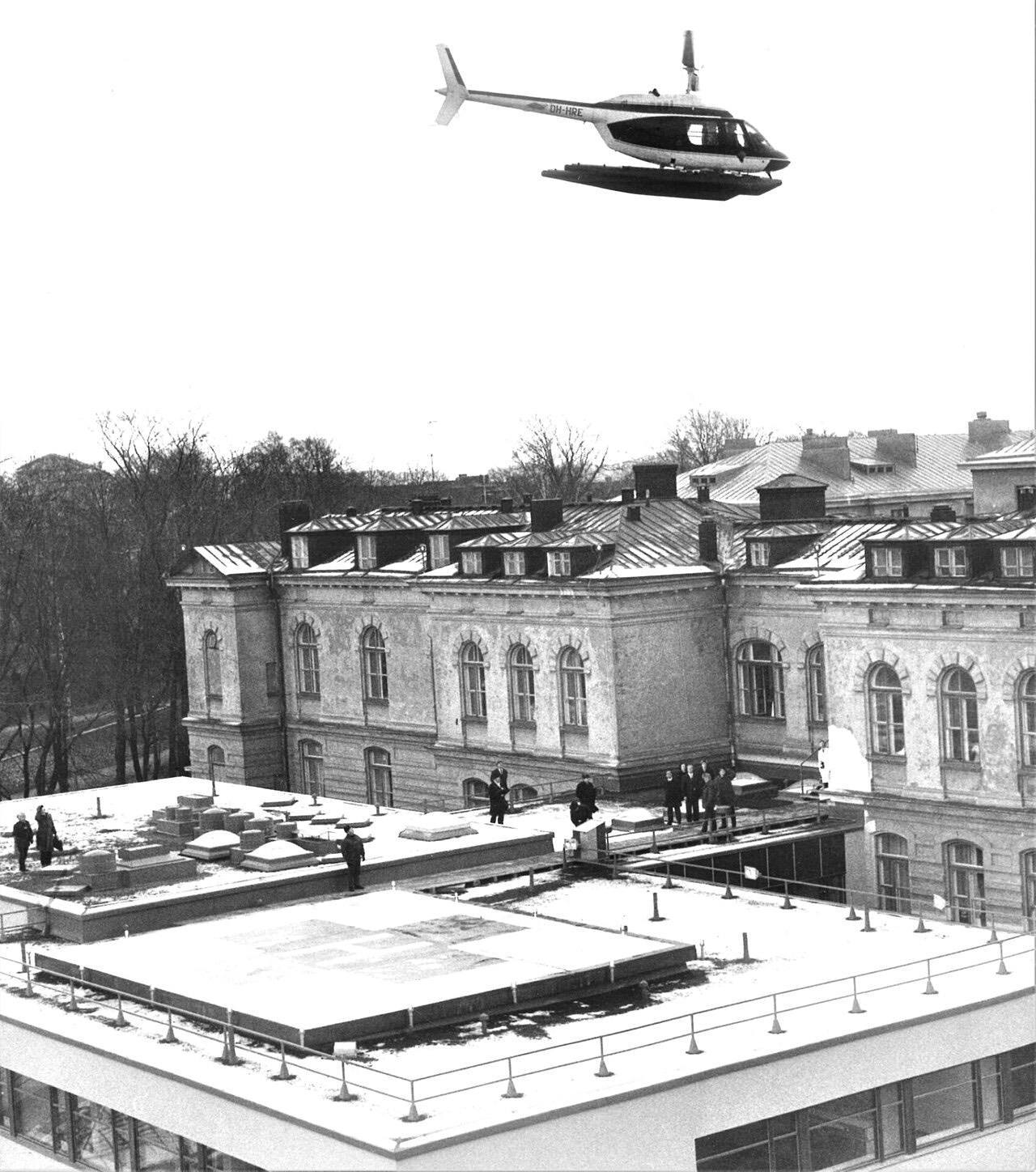
The Rising Tide of Hospital Expenses
In recent months, a spotlight has been cast on the soaring costs associated with hospital care. Reports indicate that average hospital expenses have risen dramatically, placing a strain on families and the economy alike. This increase not only reflects the inflationary pressures of our times but also highlights the inefficiencies that have become entrenched within our healthcare system.
On one side, progressive advocates argue that the solution lies in universal healthcare coverage. They claim that a single-payer system could streamline administrative costs and eliminate the profit motive that they argue drives up prices. Yet, in the push for this sweeping reform, there is a risk of ignoring the fundamental issues that plague our healthcare delivery models. A one-size-fits-all approach may not address the unique needs of various communities or the intricacies of medical care.
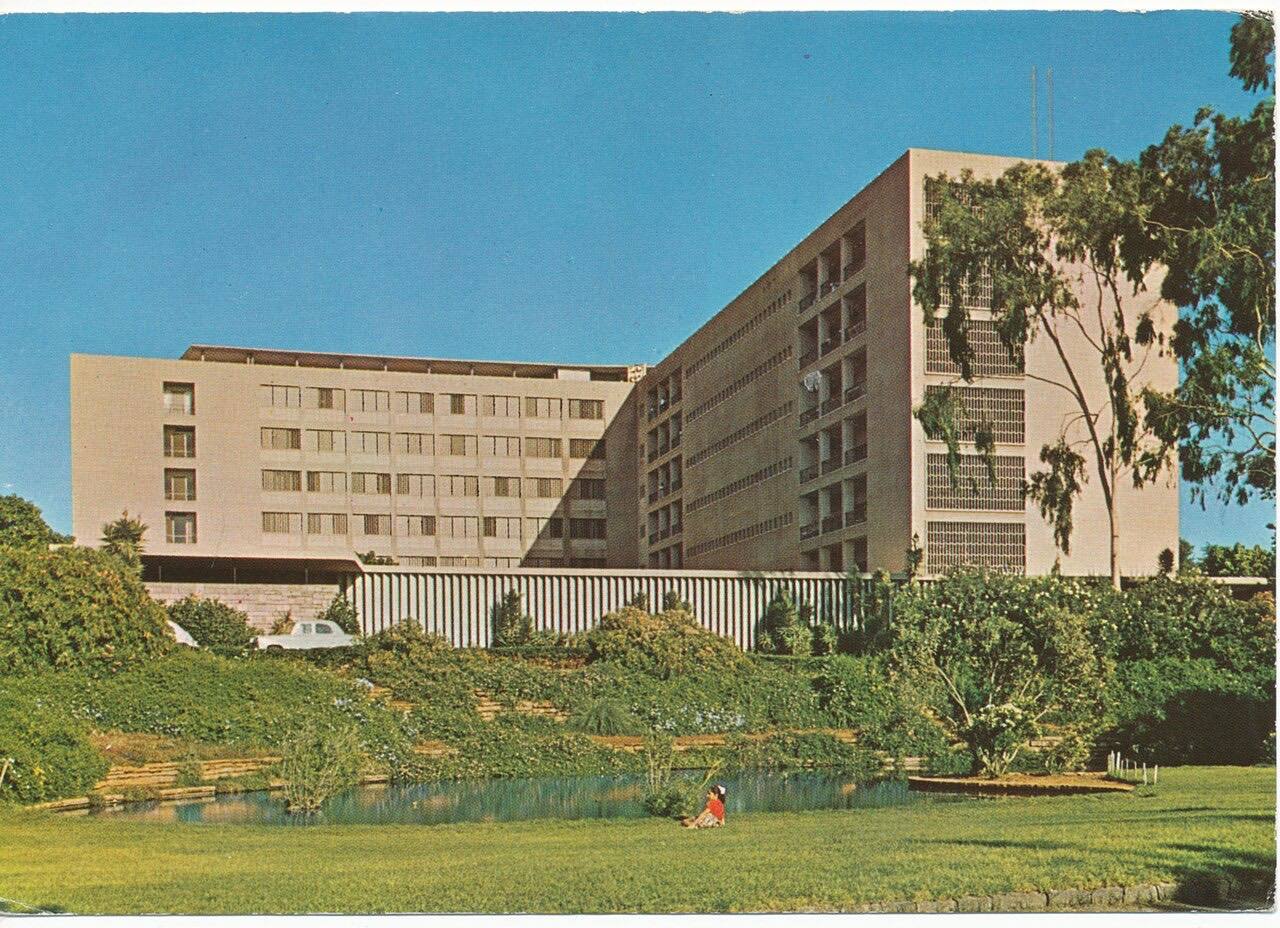
"A one-size-fits-all approach may not address the unique needs of various communities."
Conversely, proponents of free-market solutions assert that deregulation and competition among hospitals will incentivize efficiency and lower costs. They advocate for a system where patients can choose providers based on price, thereby driving down expenses as hospitals vie for business. However, this perspective often underestimates the power imbalance inherent in healthcare. Patients are not always equipped to make informed choices about their care, especially in times of crisis when they are most vulnerable.
Incentives and Impediments
Both camps are guilty of proposing solutions that, while appealing on the surface, may not ultimately serve the interests of the patients they aim to help. The left's push for government intervention often leads to bureaucracy that stifles innovation and responsiveness. Meanwhile, the right's faith in market dynamics overlooks the realities of healthcare access and the potential for exploitation in a purely profit-driven model.
It is essential for policymakers to recognize that healthcare is not merely a product but a critical service that affects the lives of millions. The conversation cannot simply center on costs; it must also consider quality of care and patient outcomes. As we navigate these turbulent waters, the focus should be on fostering a system that prioritizes patient welfare over political ideology.
A Call for Pragmatism
Perhaps the answer lies not in the extremes but in a pragmatic middle ground. By examining successful models both domestically and internationally, we can glean insights into how to balance cost control with quality care. Integrating elements of both government oversight and market principles could produce a healthcare system that is both equitable and efficient.
Moreover, the healthcare debate cannot be divorced from broader economic discussions. As inflation continues to rise, the economic burdens faced by families will only exacerbate the challenges within the healthcare system. The political left must consider how their proposals will impact taxpayers, while the right must acknowledge that unchecked capitalism in healthcare can lead to dire consequences for the most vulnerable among us.
Moving Forward
As August wears on, it is clear that the conversation surrounding hospital costs will not abate. The stakes are high, and the implications of our decisions will resonate for generations. What is needed now is a commitment to dialogue that transcends party lines. In the end, the health of our nation may very well depend on our ability to find common ground.
In this pivotal moment, it is imperative that we engage with the complexities of healthcare reform, eschewing dogma for reasoned discourse. Only through collaboration can we hope to craft a healthcare system that not only curtails costs but also upholds the dignity of patient care.
✦ ✦ ✦