From the file. Written for the paper dated August 1975. Opened in the public stacks July 14, 2026.
As the political landscape of Washington continues to shift under the weight of recent cabinet resignations, the motivations behind these departures reveal a complex interplay of incentives that span both sides of the aisle.
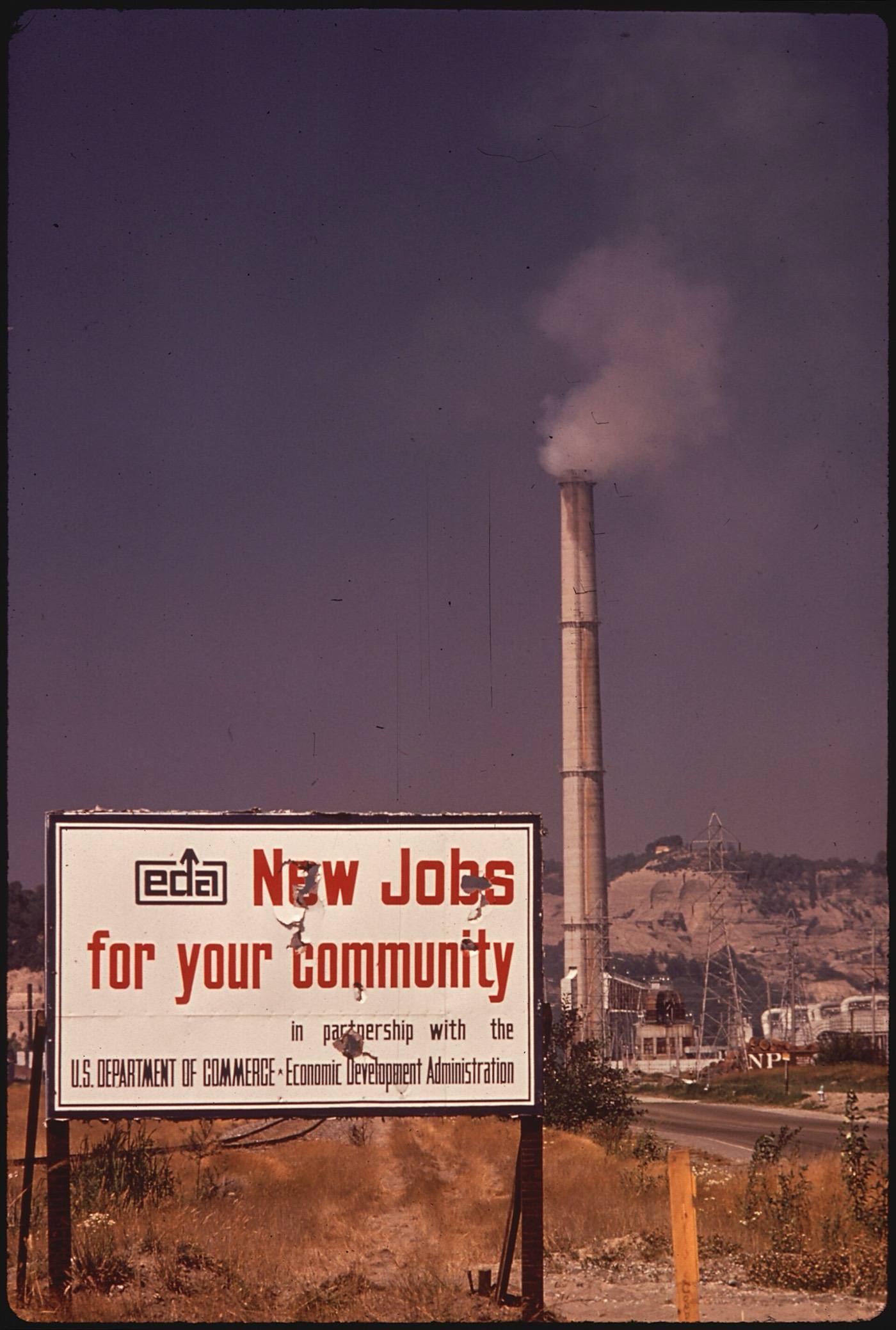
The Landscape of Resignation
In the wake of President Gerald Ford’s controversial ascension to the White House, a series of high-profile resignations has sparked debate within the corridors of power. This wave of departures raises critical questions about accountability, political strategy, and the implications for governance in a nation already grappling with economic challenges and social unrest.
Cabinet members are stepping down for various reasons, including personal integrity, political maneuvering, and the mounting pressure from both public opinion and party factions. Whether viewed as acts of courage or political expediency, these resignations serve to illustrate the broader tensions currently at play in American politics.

Incentives for Resignation
On one side, we find those who argue that resignations are a necessary response to ethical concerns or perceived failures in policy execution. The Ford administration has faced significant scrutiny, particularly regarding its handling of inflation and unemployment. In this environment, cabinet members may resign to protect their reputations and distance themselves from policies that are increasingly unpopular.
“Resignations are sometimes the only way to salvage a legacy when the ship is sinking.”
This sentiment is echoed by some political analysts who see these departures as an opportunity for the administration to reset its agenda. New faces in key positions could signal a shift in policy direction and a renewed commitment to addressing the pressing issues facing Americans today.
On the opposite end of the spectrum, some resignations can be interpreted as strategic moves by political operatives seeking to position themselves favorably for future elections. In a time when the Democratic Party is poised to capitalize on the Ford administration's struggles, some cabinet members may seek to distance themselves from an administration that could be perceived as vulnerable. Such tactical withdrawals are not uncommon in a politically charged atmosphere.
Partisan Excesses
The political discourse surrounding these resignations has also been steeped in excesses from both sides. The far-left continues to push for sweeping reforms, often casting aside the notion of incremental change that might be more palatable to moderate voters. This radical approach may alienate potential allies and lead to further polarization within the electorate.
Conversely, the right has been vocal in its criticism of the Ford administration’s attempts to navigate the tumultuous waters of governance. While some criticism is warranted, the tone adopted by certain factions can border on hysteria. The call for immediate and drastic measures often overshadows the potential for constructive dialogue and collaboration across party lines.
The consequence of such excesses is a political climate where compromise becomes an increasingly rare commodity. Instead of fostering an environment conducive to bipartisanship, the current atmosphere seems designed to entrench divisions further. As both parties grapple with their internal struggles and external pressures, the potential for meaningful progress feels more elusive than ever.
A Call for Reflection
In times of upheaval, it is crucial for leaders from both parties to reflect on their roles and responsibilities. The public is clamoring for accountability and effective governance, yet the current trend of resignations may only serve to exacerbate the existing turmoil. Political leaders must find a way to bridge the divide and restore faith in the institutions designed to serve the American people.
As the nation watches these resignations unfold, it is imperative to seek a balance that allows for both ethical accountability and political strategy. The stakes are high, and the consequences of failing to navigate this moment wisely could reverberate through the halls of power for years to come.
✦ ✦ ✦