From the file. Written for the paper dated July 1975. Opened in the public stacks July 14, 2026.
The recent vacancy in the judiciary has sparked a flurry of headlines, yet the narratives surrounding it often miss the essential details that could influence public perception and understanding.
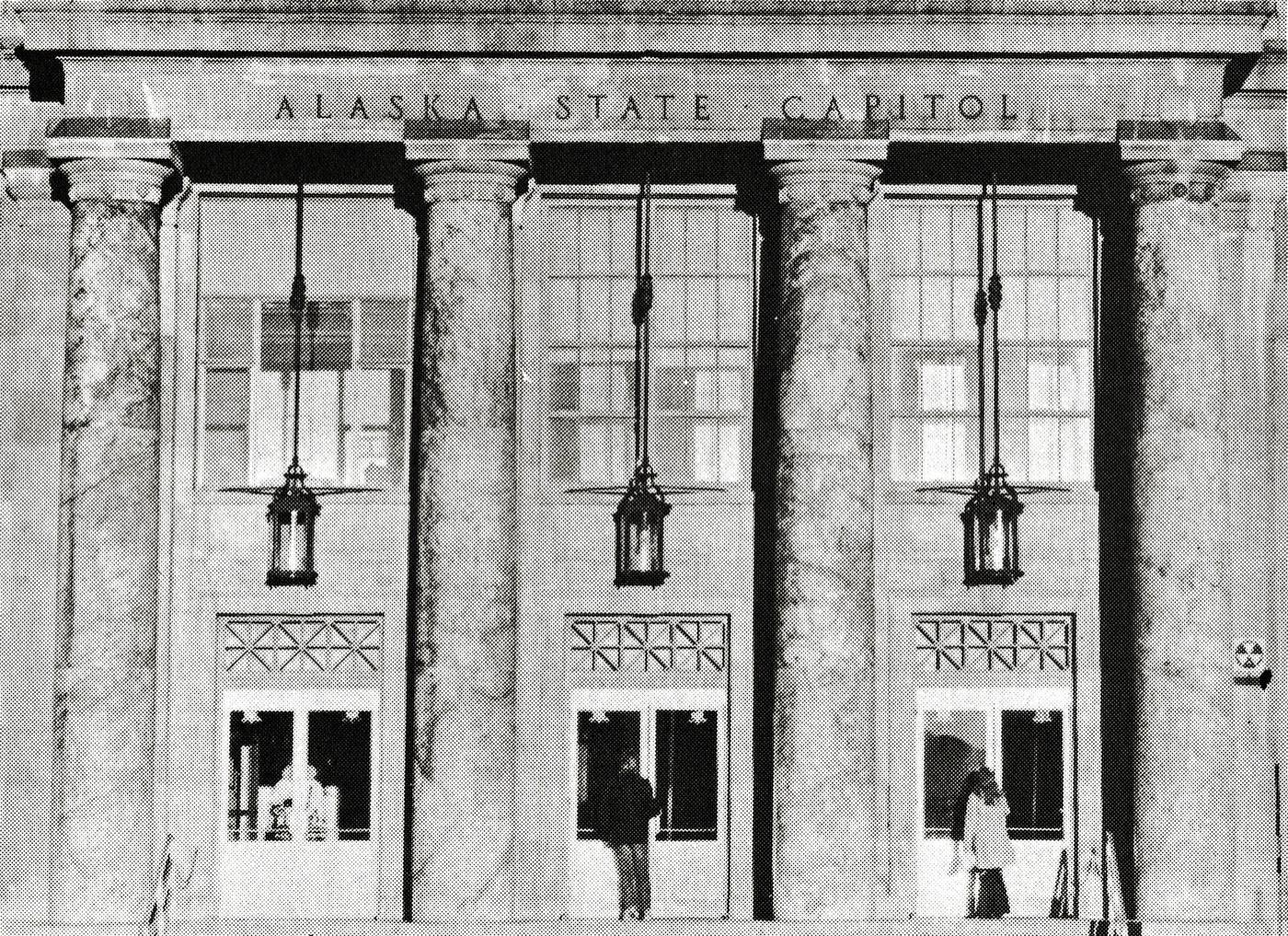
Judiciary Under Scrutiny
The announcement of a vacancy in the Supreme Court has triggered a predictable response from both sides of the political aisle. On one hand, the liberals are rallying for a progressive nominee who can potentially shift the court's balance towards a more liberal interpretation of the Constitution. On the other, conservatives are mobilizing to ensure that any appointment aligns with their ideological values and maintains the status quo. However, amidst the fervor of political gamesmanship, crucial aspects are often overshadowed.
“The appointment process is less about the nominee and more about the power struggle behind the scenes.”
The vacancy, while significant, raises questions beyond the immediate concern of who will fill the role. It is crucial to consider the broader implications of the nomination process itself. The political theater surrounding judicial appointments often serves to distract from pressing issues, such as the need for comprehensive legal reform and the necessity of a judiciary that reflects the diverse values of our society. Instead of a nominee who merely adheres to partisan preferences, the focus should be on finding someone who can bridge the ideological divides.

The Left's Overreach
On the left, there is a palpable eagerness to push for a nominee who champions progressive causes. However, this desire can sometimes manifest as an overreach, as some factions within the left seem to forget that the judiciary is not merely a tool for social change. The courts are meant to interpret the law, not create it through judicial activism. This eagerness to appoint a “liberal lion” may not only alienate moderate voices but also risk further polarization in an already divided America.
In their fervor to appoint a jurist who reflects progressive ideals, some on the left are neglecting the importance of a balanced judiciary that respects the rule of law. Calls for a nominee who would prioritize social justice issues above all else may inadvertently undermine the credibility of the judicial branch. The pursuit of justice should be tempered with a recognition of the complexities involved in legal interpretation.
The Right's Fearmongering
Conversely, the right's response to the vacancy is exemplified by fearmongering and hyperbole. The narrative that any potential left-leaning nominee would dismantle the very fabric of American society is not only exaggerated but also dangerously misleading. Such rhetoric creates an environment of distrust and hostility, where the focus shifts from the merits of the nominee to a baseless fear of impending doom.
Moreover, the right's insistence on adhering strictly to an originalist interpretation of the Constitution often overlooks the necessity for an adaptable judicial approach that can address contemporary issues. While the preservation of traditional values is undoubtedly important, it should not come at the expense of justice and progress. The rigidity displayed by some conservative factions risks stagnating the evolution of our legal system, which must be responsive to the changing needs of society.
A Call for Thoughtful Discourse
What is needed is a more thoughtful discourse surrounding judicial nominations - one that transcends partisan divides. The focus should not solely rest on the political affiliations of the nominees but also on their qualifications, integrity, and ability to interpret the law impartially. It is incumbent upon both sides to engage in a constructive dialogue that prioritizes the integrity of the judiciary over the demands of political expediency.
In this moment of uncertainty, it is essential for the American public to remain vigilant and informed. The appointment of a Supreme Court justice is not merely a political maneuver; it is a pivotal moment that will shape the nation's legal landscape for years to come. By fostering an environment that encourages reasoned debate rather than divisive rhetoric, we can ensure that the judiciary remains a cornerstone of democracy and justice in America.
Conclusion
The vacancy in the judiciary is a defining moment that should prompt reflection and dialogue rather than division. It is a time for all sides to reconsider their approaches and strive for a judiciary that truly serves the interests of justice. As the political landscape continues to shift, let us not lose sight of the foundational principles that uphold our legal system.
✦ ✦ ✦