From the file. Written for the paper dated July 1975. Opened in the public stacks July 14, 2026.
As air quality alerts sweep across the nation, the conversation surrounding the implications of pollution often fades from the headlines, leaving many vital issues unaddressed.
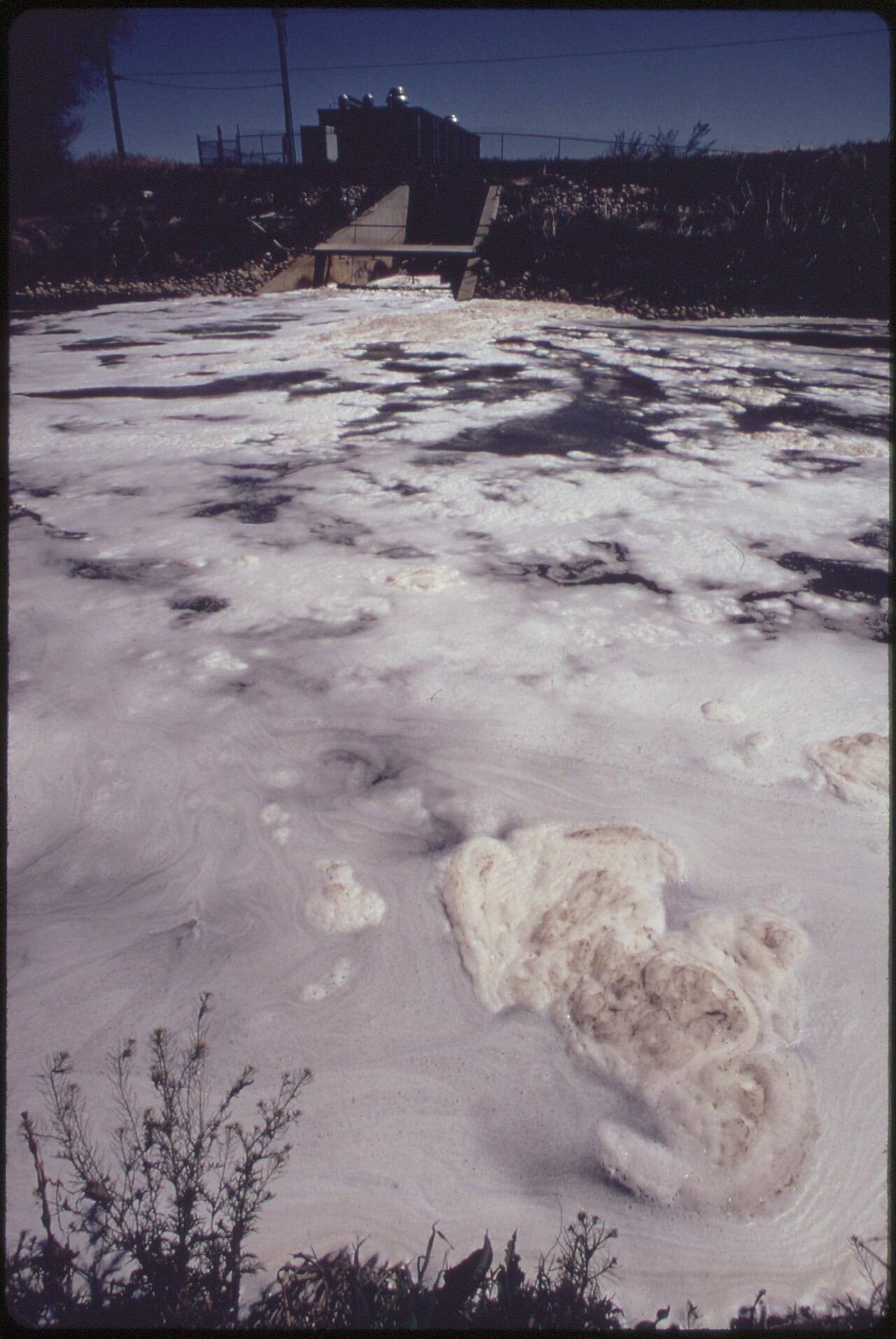
Understanding the Alert
In recent weeks, various cities have issued air quality alerts due to rising pollution levels. Reports from the Environmental Protection Agency indicate that smog and particulate matter are reaching hazardous levels in urban areas, prompting public health warnings. This situation requires immediate attention, yet the details often get lost amid political rhetoric and media sensationalism.
The Political Narrative
On one side, the left has seized upon these alerts as a rallying cry for stricter environmental regulations. They call for immediate governmental action to regulate emissions from factories and vehicles. Yet, in their quest for a greener agenda, they sometimes overlook the economic implications of their demands. Increased regulation can stifle growth and lead to job loss, particularly in sectors reliant on fossil fuels. A balanced approach is necessary to ensure that environmental protection does not come at the cost of economic stability.
Conversely, the right often dismisses air quality concerns as an overreaction by environmentalists. Their focus tends to center on the economic impact of regulation rather than the public health risks posed by pollution. This dismissal can be damaging, as it may lead to a lack of necessary actions to ensure clean air for all citizens. The polarization of the issue means that neither side is willing to seek common ground, leaving the public caught in the crossfire.
What Gets Left Out?
While the debate rages on, important aspects of the air quality crisis are often neglected in public discourse. First and foremost, the health effects of poor air quality, particularly on vulnerable populations, do not receive sufficient attention. Children, the elderly, and those with pre-existing health conditions are disproportionately affected, yet their voices are often absent from the political dialogue.
“The air we breathe is a silent killer, and its impact extends far beyond the headlines.”
Moreover, the socioeconomic factors contributing to pollution must not be overlooked. Many low-income communities find themselves situated near industrial zones, exposing them to higher levels of contaminants. This environmental injustice is seldom highlighted, and as a result, these communities remain voiceless in the policy discussions that directly affect their health and well-being. Addressing air quality requires a holistic understanding of its roots, including the economic disparities that lead to unequal exposure.
Public Awareness and Action
Public awareness about air quality must go beyond government alerts. Citizens should be informed about the specific pollutants affecting their health and the steps they can take to mitigate these risks. Community education programs can empower individuals to advocate for cleaner air in their neighborhoods. Grassroots movements can demand accountability from both corporations and government entities, ensuring that air quality becomes a priority rather than an afterthought.
Furthermore, the role of science in this conversation is critical. Researchers must be given the platform to present their findings without political interference. The public deserves accurate information regarding the sources and effects of air pollutants. Open and honest discussions can bridge the divide between environmentalists and industry proponents, fostering a collaborative effort to tackle the air quality crisis.
A Call for Unity
As we navigate the complexities of air quality and health, it is essential to foster an environment where dialogue can thrive. Both sides must recognize that air pollution is not merely a political issue but a public health crisis that affects all Americans. By working together, we can develop solutions that prioritize public health while also considering economic realities.
The air we breathe is a shared resource, and its quality should not be dictated by party lines. Instead, we must advocate for the health of our communities, ensuring that everyone has access to clean air. We can no longer afford to let the conversation drift into silence once the headlines fade.
✦ ✦ ✦