From the file. Written for the paper dated May 1975. Opened in the public stacks July 14, 2026.
As the dust settles on what many have called a revolution in healthcare accessibility, the public clinics that sprang up across the nation are now grappling with the realities of sustaining their momentum. While the fervor of the initial push for equitable health services fades, the question remains: can these institutions deliver on their promises of care and accessibility?
Rising Demand Meets Financial Reality
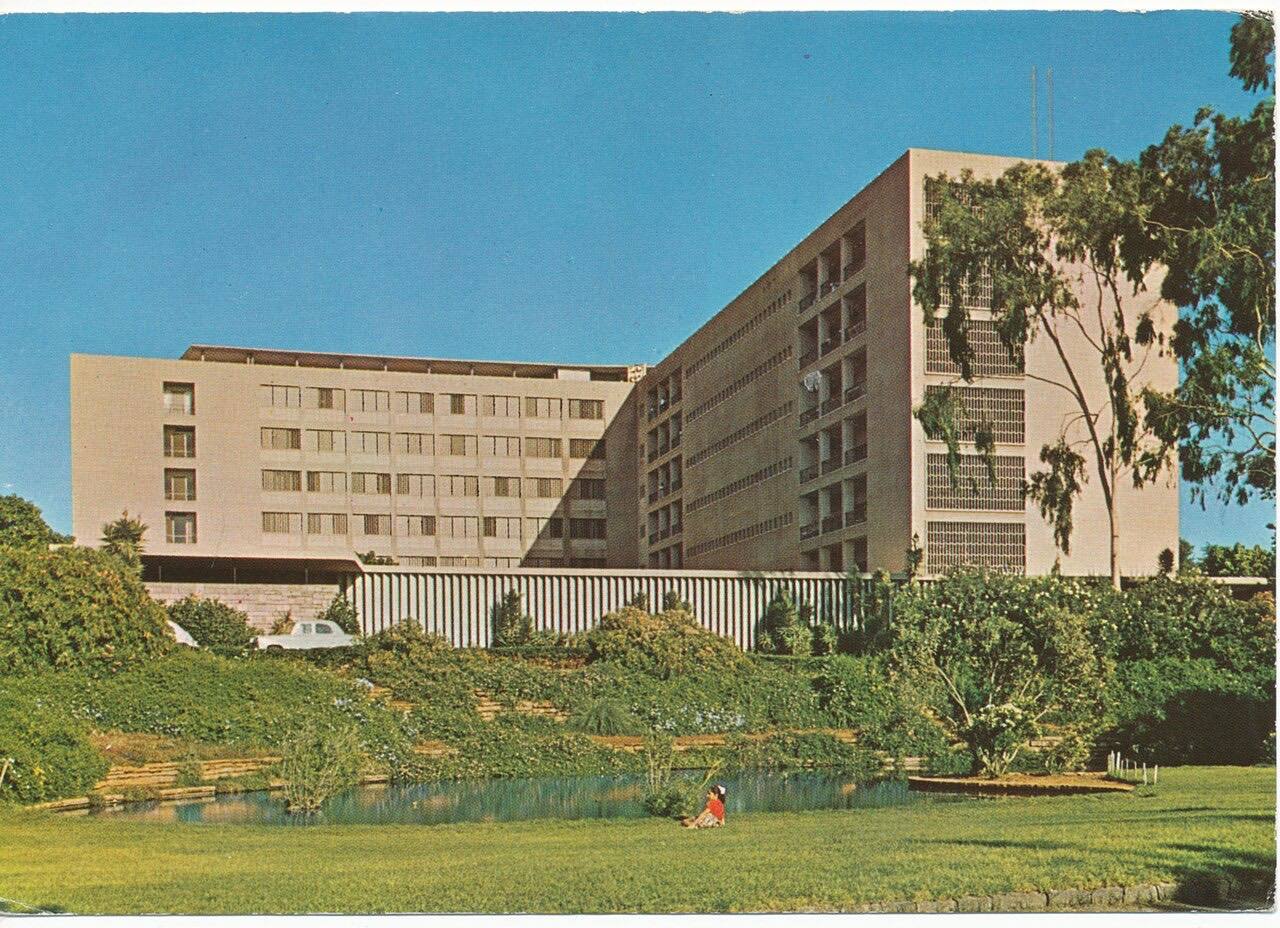
The proliferation of public clinics has been heralded as a victory for the underserved, offering services that were once thought to be the privilege of the affluent. Yet, as the immediate excitement begins to wane, a troubling concern arises. The demand for services at these clinics is not only high but accelerating. Patients flock to them seeking treatment for everything from chronic conditions to preventative care. However, the financial infrastructure required to support such high demand is proving to be tenuous at best.
Many clinics report being stretched thin, struggling to keep pace with the influx of patients. Funding, often reliant on government support and community donations, is under scrutiny, and the sustainability of these clinics is in question. Can they truly maintain their operations and meet the growing needs of the community without sufficient monetary backing?
Promises of Equality vs. Reality of Service
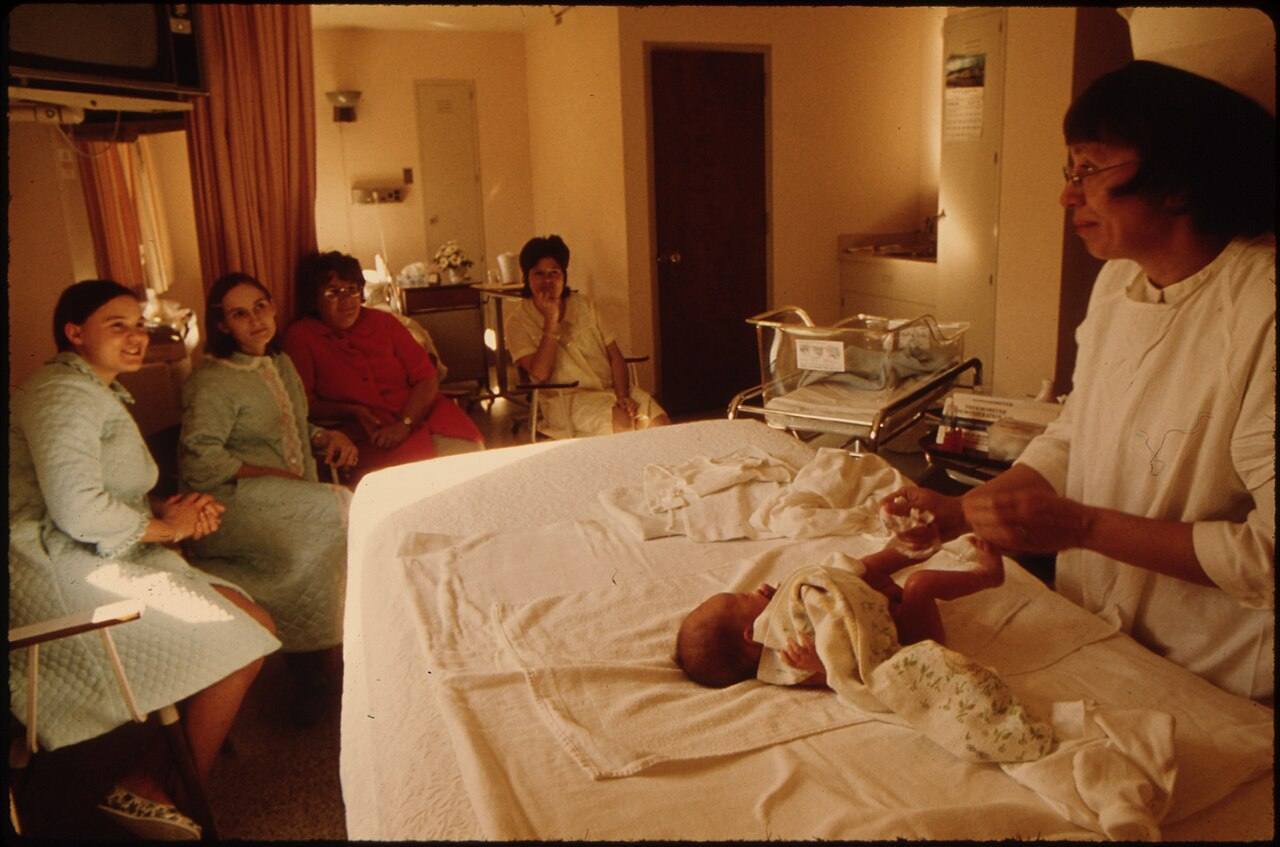
On one hand, the promise of public clinics is noble: to provide equal access to healthcare for all. Yet, on the other, the reality often falls short. Reports from various clinics indicate disparities in service quality and availability. In some areas, patients experience long wait times for appointments and treatments, which can lead to frustration and disillusionment.
The left's commitment to universal healthcare has, at times, overshadowed the practicalities of implementation. While the intentions are laudable, it raises the question of whether they are prepared to handle the complexities of such a vast system. If the left is to be praised for its efforts in establishing these clinics, it must also be held accountable for ensuring that they operate efficiently and effectively.
“The promise of public clinics is noble: to provide equal access to healthcare for all. Yet, the reality often falls short.”
Critique of Right-Wing Opposition
Conversely, the right-wing critique of these public clinics often hinges on a belief that they represent a government overreach into personal liberties. While it is essential to maintain a check on governmental power, the outright dismissal of public clinics as a viable solution to healthcare access is shortsighted. It ignores the fundamental issue at hand: the desperate need for accessible healthcare in our communities.
Instead of constructive criticism, we often see knee-jerk reactions that seek to dismantle rather than improve. The rhetoric surrounding “socialized medicine” has created a culture of fear and misunderstanding. Rather than engaging in meaningful discussion about how to enhance the quality and viability of public clinics, many on the right would rather see them fail than admit that they might serve a vital purpose.
A Call for Balanced Dialogue
In these uncertain times, there is a pressing need for a balanced dialogue on healthcare. The excesses of both the left and the right can be detrimental to the progress made thus far. The left must confront the practical challenges facing public clinics and ensure they are equipped to meet the needs of the populace. Simultaneously, the right must recognize that these clinics do serve a critical function and that an outright dismissal only exacerbates the healthcare crisis.
Looking Ahead
The future of public clinics hinges on our collective ability to address the challenges they face. As patients continue to seek accessible healthcare, the institutions that serve them must evolve. This means not only securing adequate funding but also ensuring that the quality of care remains high and that all patients receive timely treatment.
In the end, the outcome of this healthcare revolution will depend on our ability to set aside partisan excesses and work together towards a common goal: a healthier society. It is clear that the journey is fraught with obstacles, but if we can find common ground, we may just emerge with a stronger, more equitable healthcare system for all.
✦ ✦ ✦