From the file. Written for the paper dated May 1975. Opened in the public stacks July 14, 2026.
As the dust settles on the headlines surrounding the economic turbulence of recent months, a troubling reality begins to emerge: pension shortfalls are not just a theoretical concern but a pressing issue threatening the financial security of countless American workers.
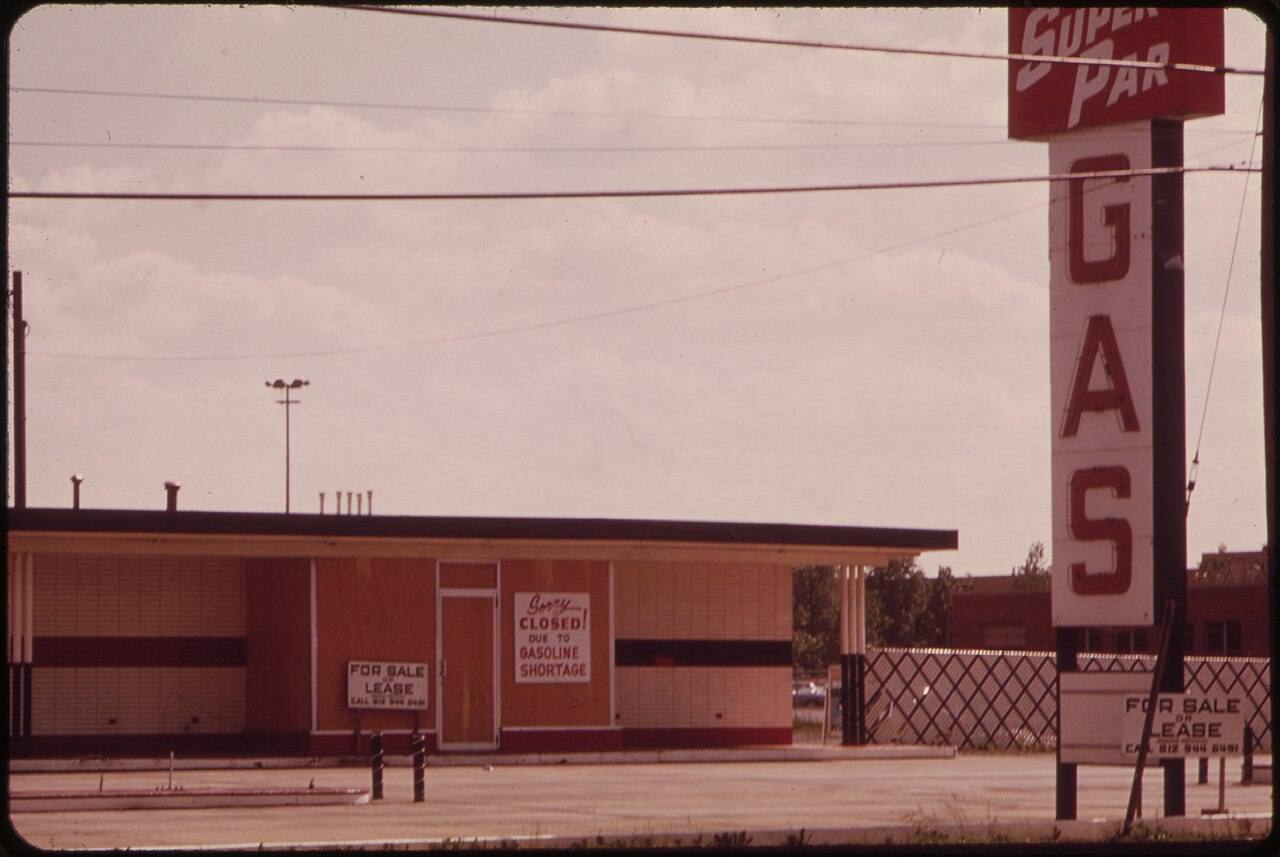
The Reality of Pension Shortfalls
The concept of a pension is supposed to embody security, a promise that hard work will be rewarded with a comfortable retirement. However, many pension plans are now revealing vulnerabilities that could undermine this promise. The combination of rising inflation, increased life expectancy, and economic stagnation has left many pension funds teetering on the brink of insolvency.
While the left advocates for increased government intervention to protect workers, their plans often overlook the underlying economic principles that have led us to this precarious point. On the right, the push for deregulation and tax cuts has often favored corporations over the workers they employ, leading to the very pension crises that many are now trying to address. It seems both sides are missing the mark while the average American worker is left to bear the consequences.
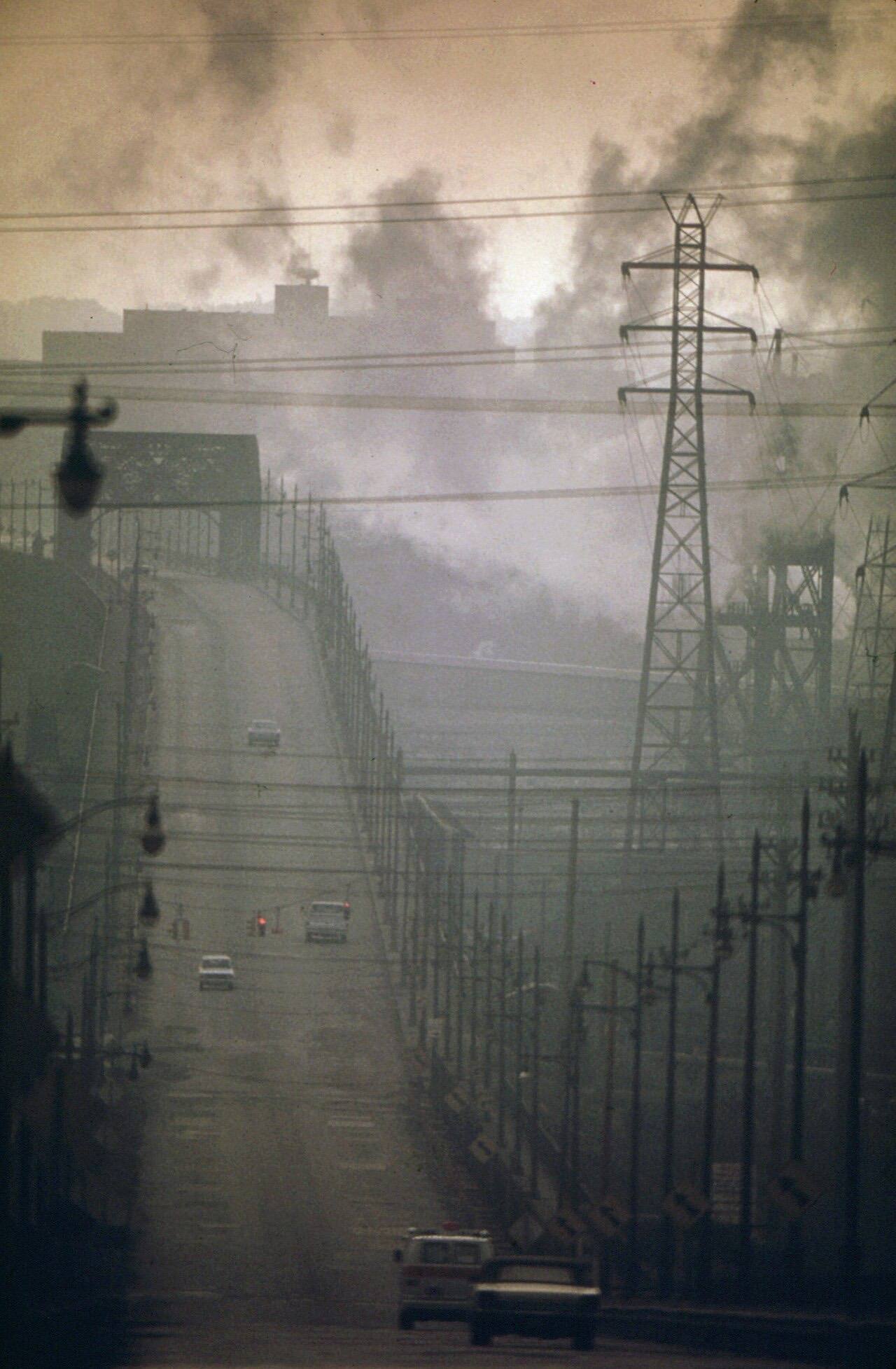
Certainty in Uncertain Times
As uncertainty looms over pensions, one thing is selling briskly: certainty. Financial advisors and insurance companies are pushing products that promise guaranteed returns, appealing to a populace rattled by the unpredictable nature of the current economic climate. This rush to certainty has led to a surge in sales of annuities and other financial vehicles that offer stability, often at the cost of higher fees and lower overall returns.
Consumers are flocking to these products out of fear, and rightly so. The headlines may shift, but the reality of underfunded pensions remains constant. Workers are anxious about their futures, leading them to seek out any semblance of security they can find, even if it comes at a premium.
"The average American worker is left to bear the consequences."
Political Posturing and Worker Welfare
In the political arena, both sides are quick to blame each other for the pension crisis, but neither has presented a comprehensive solution that addresses the root causes. The left often calls for expansive reforms that could stifle business growth, while the right clings to outdated notions of free-market principles that ignore the critical need for worker protections. This political posturing does little to alleviate the very real fears of everyday Americans.
Moreover, the rhetoric surrounding pensions often devolves into a blame game, with politicians pointing fingers rather than collaborating on viable solutions. Workers are caught in the crossfire, struggling to navigate a landscape filled with uncertainty and misinformation. A failure to acknowledge the complexity of pension funding only deepens the crisis.
Shortfalls in the System
The shortfalls are not merely a matter of numbers; they represent a fundamental breakdown in the social contract between employers and employees. Many pension funds have been poorly managed, with contributions falling short of what is needed to sustain future payouts. Additionally, the trend toward defined contribution plans has shifted the burden of retirement security onto workers themselves, leaving them ill-prepared for the challenges ahead.
As companies increasingly move away from defined benefit plans, many workers find themselves in a precarious position, reliant on the whims of the stock market and their own investment acumen. This shift has not only exacerbated the pension crisis but has also contributed to growing inequality, as those with the means to invest benefit at the expense of those who cannot.
Future Implications
The implications of these pension shortfalls extend far beyond individual workers. They pose a risk to the broader economy, as retirees with inadequate funds may not have the purchasing power necessary to sustain economic growth. This situation creates a vicious cycle: a struggling economy leads to reduced contributions to pension plans, which in turn leads to more retirees facing financial hardships.
As we look ahead, it is clear that a collaborative effort is needed to address the pension crisis. Policymakers must work together to create a framework that prioritizes worker welfare while also considering the realities of the economic landscape. Failure to do so could result in a generation of Americans facing an uncertain future in retirement.
✦ ✦ ✦