From the file. Written for the paper dated March 1975. Opened in the public stacks July 14, 2026.
As the headlines about the nursing shortage begin to fade from view, the underlying issues of this crisis reveal a startling failure of oversight. The implications for patient care and the healthcare system as a whole cannot be overstated.
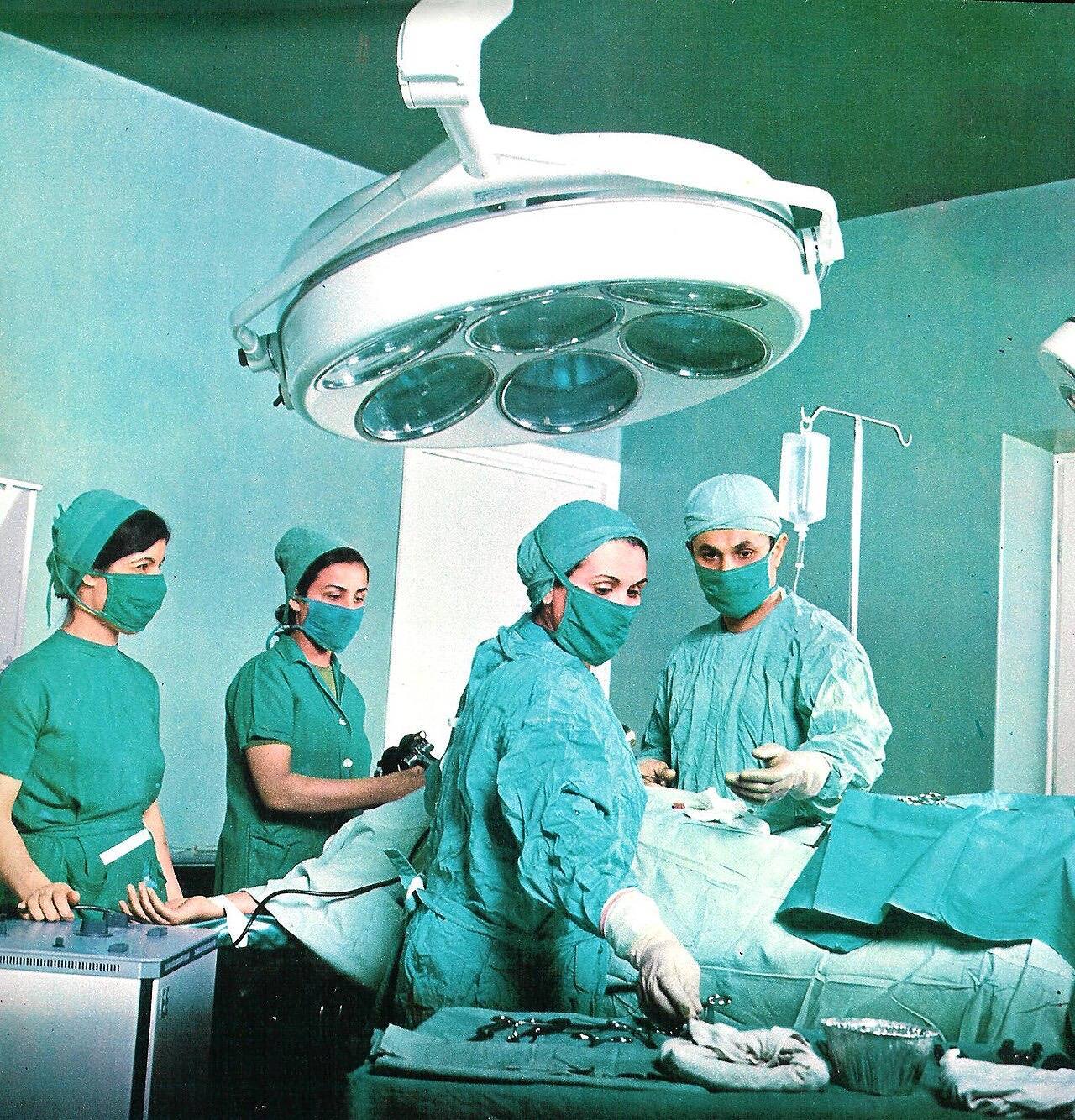
The Current State of Nursing
In recent months, hospitals across the country have reported significant gaps in nursing staff, leading to increased workloads for those who remain. The American Nurses Association has sounded the alarm, warning that the profession is facing a critical shortage that threatens both patient safety and the quality of care. But as media attention wanes, the question must be asked: What has gone wrong?
The nursing shortage is not merely a result of an aging population or increased demand for healthcare. While these factors certainly play a role, the roots of the crisis delve deeper into systemic issues that have plagued the profession for years. Low salaries, high-stress environments, and insufficient staffing ratios have all contributed to a profession that is increasingly unappealing to young people considering a career in nursing.
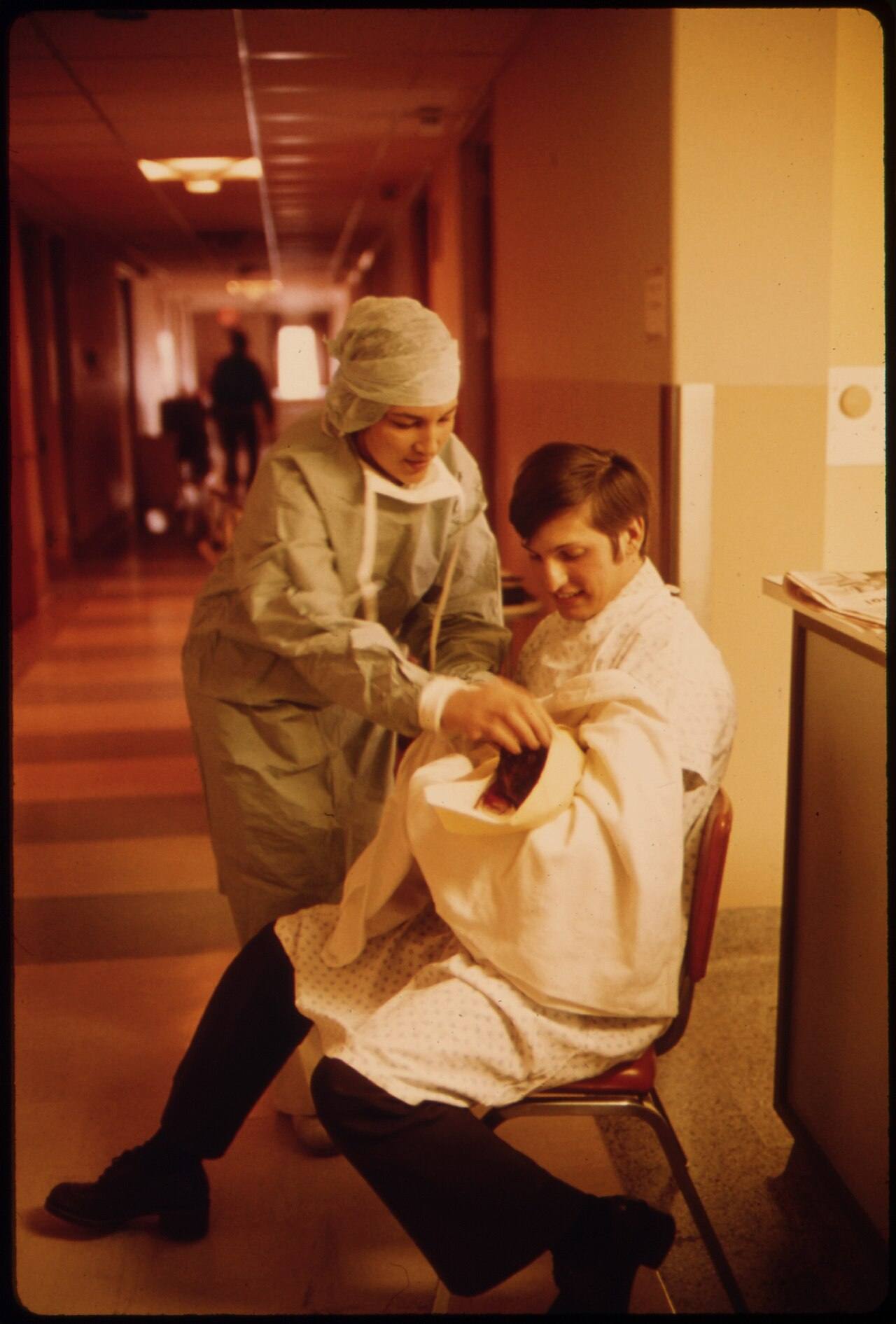
The Oversight That Failed Us
Despite the cries for help from within the profession, oversight bodies seem to be lagging in their response. Regulatory agencies and healthcare institutions have been slow to adapt to the changing landscape of healthcare needs. While there have been calls for increased funding for nursing education and better working conditions, concrete actions remain elusive.
Moreover, the political discourse surrounding healthcare has devolved into a battle of extremes. On one side, some advocate for sweeping reforms that threaten to upend the entire system without considering the implications for those on the frontlines. On the other, there are voices that deny the existence of a crisis altogether, clinging to outdated narratives that fail to address the realities faced by nurses today.
"The cries for help from within the profession are growing louder, yet the response from oversight bodies remains muted."
Impact on Patient Care
As the nursing shortage continues, the impact on patient care becomes increasingly evident. Nurses are stretched thin, often forced to care for more patients than is safe or sustainable. This not only diminishes the quality of care but also places patients at risk. The tragic stories of patients receiving inadequate attention due to overwhelmed nursing staff are becoming more frequent.
In hospitals where the nursing staff is at breaking point, we see an increase in medical errors, longer recovery times, and even higher rates of patient mortality. The unfortunate reality is that the burden of this crisis is falling disproportionately on those who can least afford it. Vulnerable populations, including the elderly and low-income individuals, are bearing the brunt of this oversight failure.
A Call for Action
As the media spotlight fades, it is imperative that we do not allow this issue to slip into obscurity. The nursing shortage is not simply a headline; it is a crisis that demands immediate attention and action from all stakeholders. Policymakers must prioritize the needs of the nursing profession by increasing funding for education and training programs, ensuring fair compensation, and improving working conditions.
Additionally, healthcare administrators must take a hard look at their staffing practices and commit to creating an environment that values and supports nurses. This includes addressing burnout and fostering a culture of collaboration and respect among all healthcare professionals.
The Role of the Public
The public must also play a role in advocating for change. Awareness of the nursing shortage and its implications for patient care can galvanize support for necessary reforms. Community members can engage with local healthcare providers, attend town hall meetings, and push for transparency in how healthcare funds are allocated.
Ultimately, the nursing shortage is a reflection of broader societal values. If we truly value the health and well-being of our communities, we must advocate for the professionals who dedicate their lives to caring for others. The time is now to hold our leaders accountable for the failures of oversight that have led us to this critical juncture.
✦ ✦ ✦