From the file. Written for the paper dated March 1975. Opened in the public stacks July 14, 2026.
As the cacophony of headlines surrounding the energy crisis fades, a less sensational but equally crucial story about our energy grid emerges - a tale of bureaucratic oversight and the implications of our failure to prioritize infrastructure.
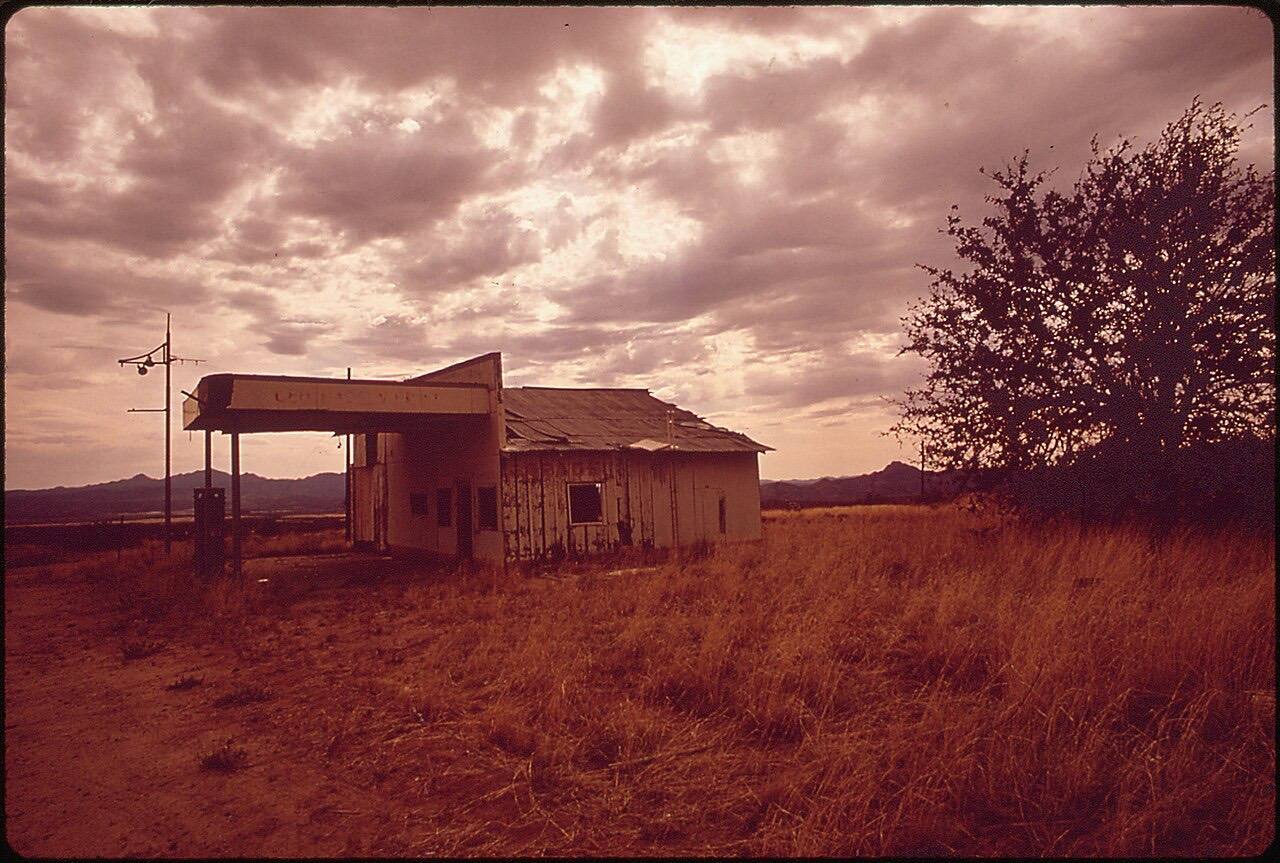
Infrastructure Under Stress
In the wake of the oil embargo and skyrocketing fuel prices, many Americans have become acutely aware of our dependence on a reliable energy grid. As we grapple with the immediate effects of energy shortages, it is imperative to examine the underlying infrastructure that powers our homes, businesses, and factories. Unfortunately, the reality is that the energy grid is not merely strained; it is teetering on the brink of failure due to years of neglect and insufficient oversight.
Energy production has become an intense political battleground, with both the left and right vying for dominance in the narrative surrounding energy policy. While the left often emphasizes the need for government intervention and regulatory frameworks to ensure equitable access and environmental sustainability, the right counters with calls for deregulation and market-driven solutions. Yet, in the midst of this ideological clash, the energy grid's operational integrity is being compromised, leaving the American public vulnerable.
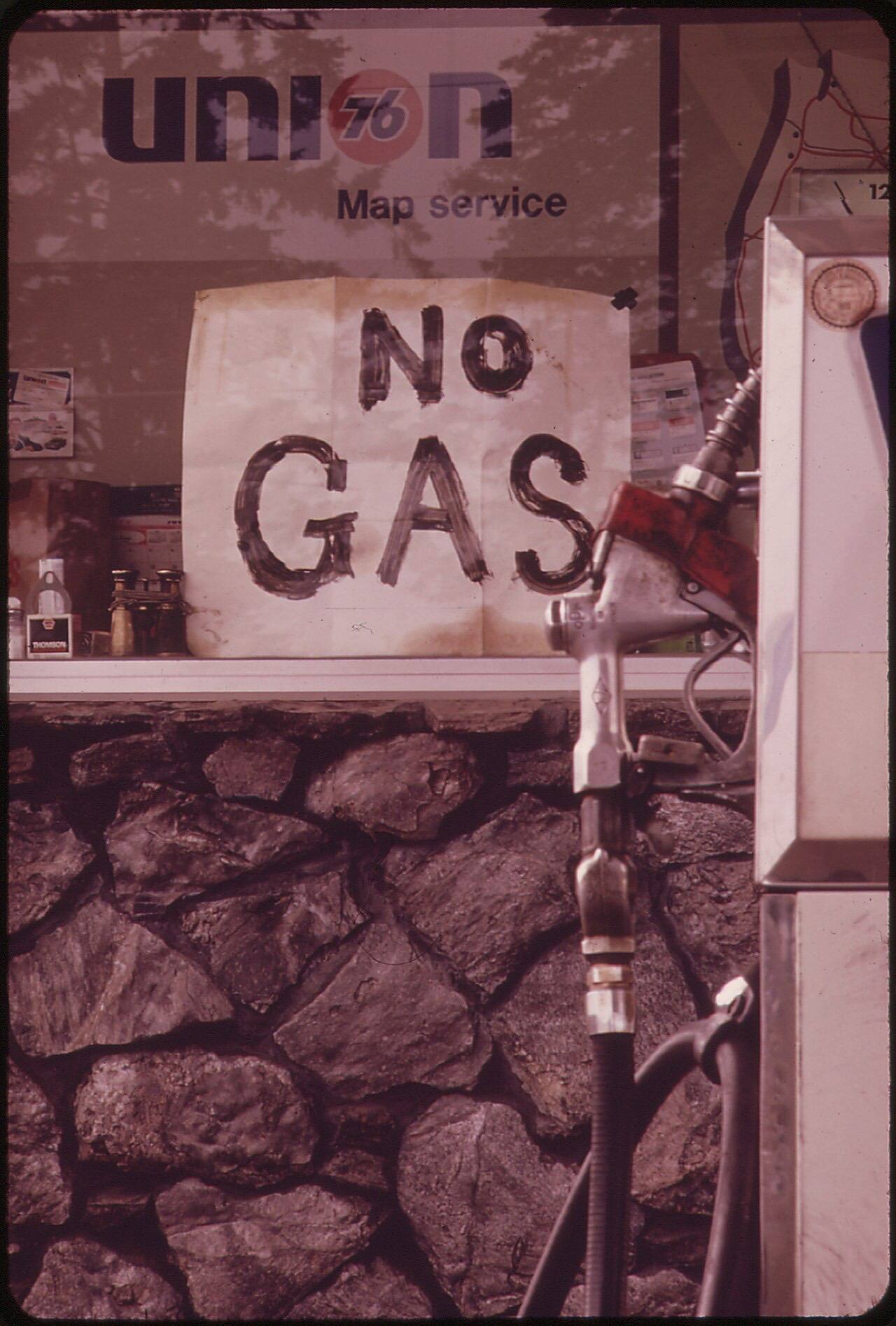
“The energy crisis has shifted focus from long-term solutions to short-term fixes, and unfortunately, our infrastructure is suffering as a result.”
Regulatory Gaps and Oversight Failures
The federal and state regulatory bodies tasked with overseeing the energy grid have been slow to adapt to the rapidly changing landscape of energy production and consumption. As utility companies merge and consolidate, the oversight mechanisms intended to safeguard the public interest appear increasingly ineffective. There is a troubling lack of accountability, with utility executives often prioritizing profits over the stability of the grid.
Moreover, environmental regulations, while necessary, can sometimes stifle innovation and slow the deployment of new technologies designed to enhance grid resilience. The left’s push for stringent environmental standards, while well-intentioned, has occasionally resulted in delays that leave the grid more vulnerable to disruptions. Conversely, the right’s insistence on deregulation can lead to a lack of oversight, allowing companies to operate in ways that prioritize short-term gains over long-term stability.
The Consequences of Inaction
As we wait for the dust to settle from the current crisis, the consequences of inaction are becoming increasingly apparent. A recent report from the National Energy Board indicates that many states face aging infrastructure that could lead to significant blackouts if not addressed promptly. These outages not only disrupt daily life but can also have severe economic repercussions, affecting everything from manufacturing to retail.
While politicians engage in their perennial finger-pointing, utility companies are left to navigate a patchwork of regulations that often inhibit proactive measures. The American public deserves better than a reactive approach to energy policy, which has led to a patchy grid that struggles to meet even current demands.
The Path Forward
Looking ahead, it is critical for both sides of the political spectrum to come together to forge a cohesive energy strategy that prioritizes the integrity of our energy grid. This means embracing innovative technologies, investing in modern infrastructure, and fostering a regulatory environment that balances environmental concerns with the need for reliability.
Engagement with local communities is essential for understanding the unique challenges each region faces and for building a sustainable energy future. The time for finger-pointing is over; we must focus on collaborative solutions that prioritize long-term investments in our energy infrastructure.
Conclusion
As the headlines continue to shift and the energy crisis evolves, we must not allow the narrative to distract us from the quiet failures of oversight and infrastructure that underpin our energy grid. It is imperative that we hold our leaders accountable and demand a comprehensive approach that ensures reliable energy for all Americans. Only through concerted effort and collaboration can we hope to fortify our energy future against the storms of both nature and politics.
✦ ✦ ✦