From the file. Written for the paper dated February 1975. Opened in the public stacks July 14, 2026.
As we delve into the current discourse surrounding science education, it becomes increasingly evident that both ends of the political spectrum exhibit tendencies that are as concerning as they are revealing.
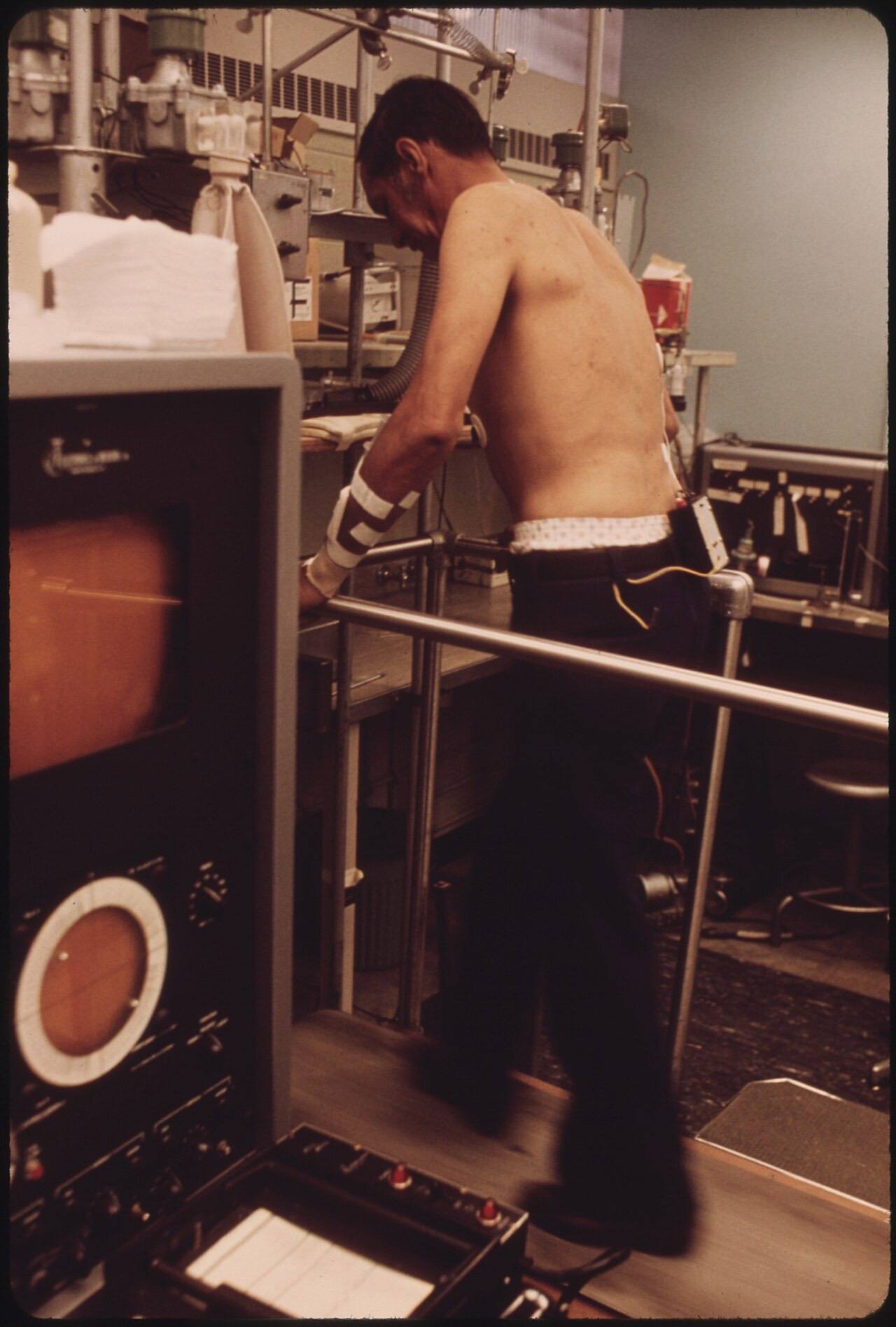
Examining the Extremes
On one side, we have the left-wing advocates who push for a curriculum steeped in progressive ideals. They advocate for a science education that is not only about facts and figures but also about social justice and environmental responsibility. While the intention is commendable, this approach often veers into the realm of ideology rather than pure scientific inquiry. When the focus shifts toward promoting a political agenda, the risk arises that we may overlook the fundamental principles of science itself - objectivity, empirical evidence, and critical thinking.
Conversely, the right-wing critics argue for a return to traditional educational methods, focusing on rote memorization and strict adherence to established scientific theories. This perspective often dismisses the value of contemporary scientific debates, including those related to climate change and evolution, in favor of an unyielding respect for historical scientific dogma. Such a stance not only stifles innovation but also discourages students from questioning and exploring the very nature of scientific discovery.
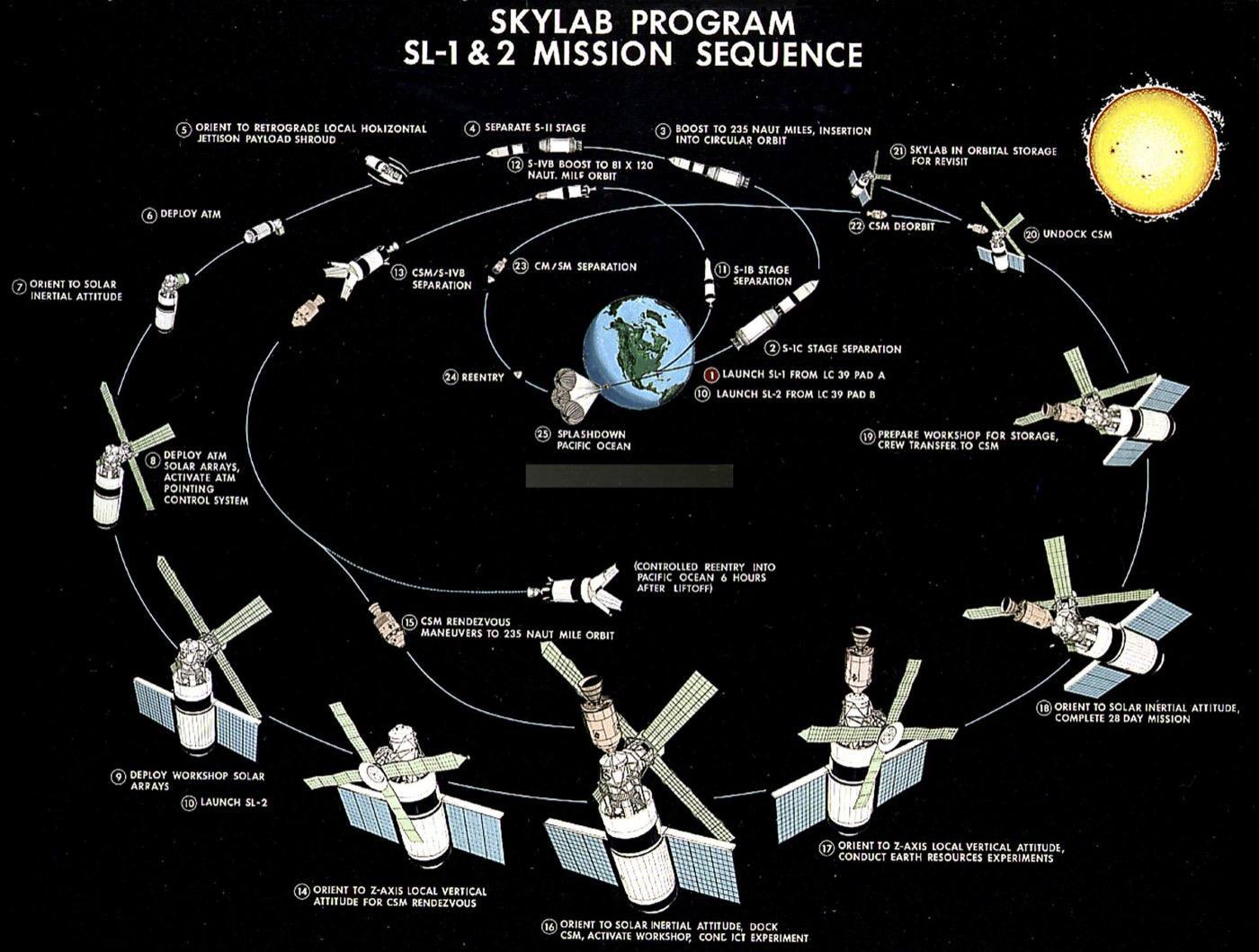
The Middle Ground
In light of these extremes, it becomes essential to carve out a middle ground - one that embraces the rigor of scientific inquiry while also acknowledging the importance of ethical considerations. A balanced approach to science education should empower students to engage with scientific concepts critically and creatively, encouraging them to think deeply about the implications of their work on society and the environment.
For instance, while teaching about genetics, it is vital to cover the ethical dimensions of genetic engineering. Students should understand not only how genes function but also the societal ramifications of manipulating them. Similarly, discussions about climate change should not merely recite data but also engage students in conversations about policy implications and the role of science in shaping our future.
"A balanced approach to science education should empower students to engage with scientific concepts critically and creatively."
Challenges in Implementation
However, achieving this balance is no small feat. Educators face numerous challenges, from standardized testing that promotes narrow learning outcomes to a lack of resources that restrict hands-on experimentation. Moreover, the increasing politicization of science creates a climate where teaching certain subjects can become contentious. Teachers may feel pressured to present material in a way that aligns with the prevailing political ethos, rather than fostering an environment of open inquiry.
Furthermore, the disparities in education funding exacerbate these issues. Schools in wealthier districts often have access to advanced lab equipment and experienced teachers, whereas those in lower-income areas struggle to provide basic science education. This inequity not only diminishes the quality of education but also perpetuates a cycle of ignorance and disinterest in scientific pursuits.
Moving Forward
To address these concerns, a concerted effort is needed from policymakers, educators, and the community at large. There must be a commitment to fostering an educational environment that values inquiry over ideology. This includes investing in teacher training that emphasizes critical thinking and ethical considerations in science, as well as ensuring that all students have access to quality science education regardless of their socioeconomic status.
Moreover, it is crucial to involve scientists in the educational process. By bridging the gap between academia and education, we can provide students with a more accurate representation of how science operates in the real world. This partnership can help demystify the scientific process and inspire the next generation of thinkers and innovators.
Conclusion
In conclusion, the future of science education hinges upon our ability to transcend the ideological divides that currently plague the discourse. By fostering an environment that encourages inquiry, critical thinking, and ethical engagement, we can ensure that our students are not only well-versed in scientific facts but also equipped to navigate the complex challenges of the modern world. It is only through such an approach that we can truly prepare them for the responsibilities that lie ahead.
✦ ✦ ✦