From the file. Written for the paper dated February 1975. Opened in the public stacks July 14, 2026.
As the world of rail freight continues to evolve, our examination this week reveals both the challenges and opportunities that lie within this vital sector of American commerce.
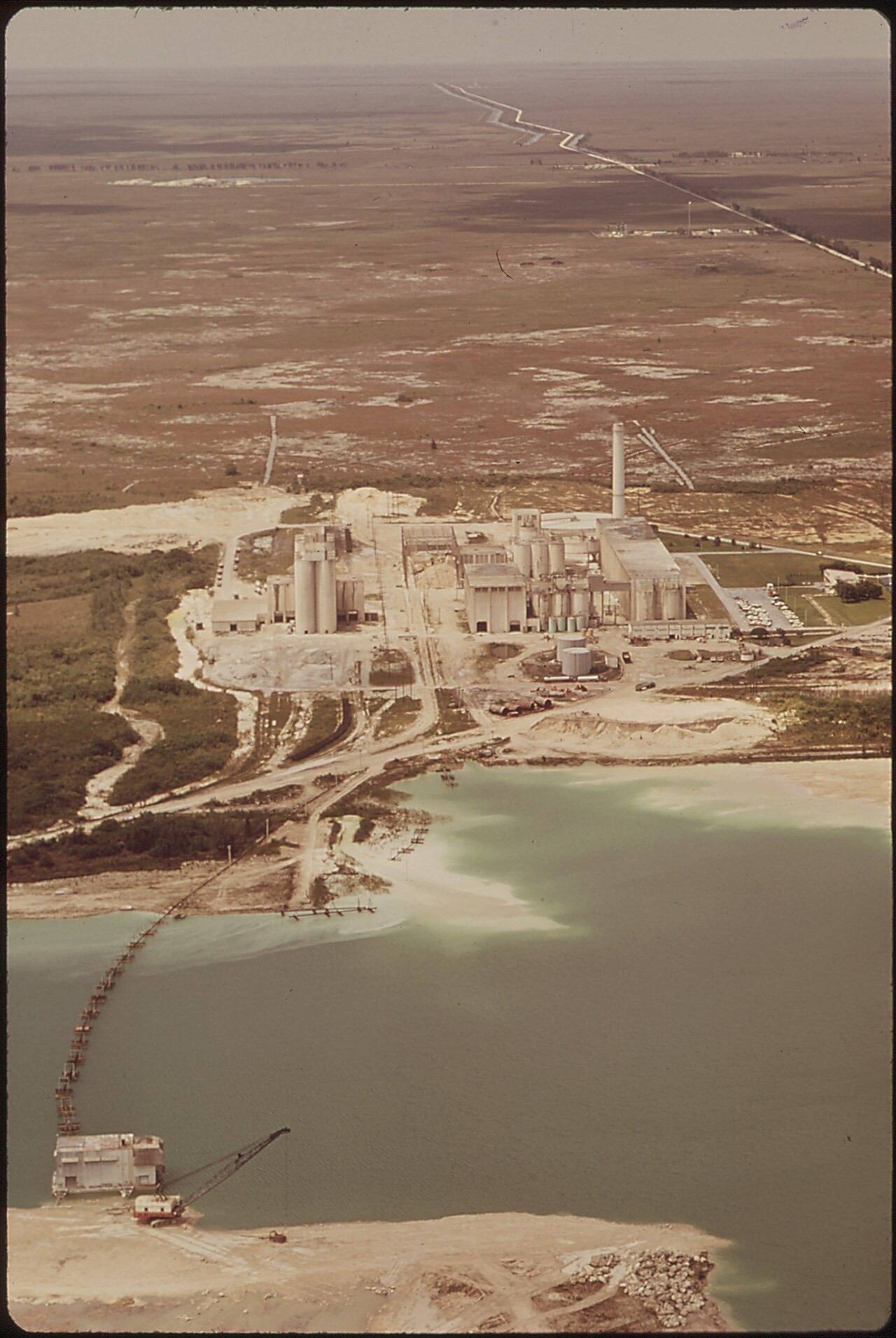
Current State of Rail Freight
Rail freight transportation is a cornerstone of the American economy, connecting industries, facilitating trade, and moving goods across vast distances. As we enter February 1975, the railroads are experiencing a mix of pressures and potential that merits a closer look.
On one hand, the rise in fuel prices and economic uncertainties have prompted many businesses to reconsider their logistics and supply chains. The rail freight industry, traditionally seen as a cost-effective option, is now facing scrutiny as companies weigh the impact of rising operational costs against the reliability that rail transport offers. With the oil embargoes still fresh in the minds of many, the balancing act between cost and dependability is a hot topic in boardrooms across the nation.
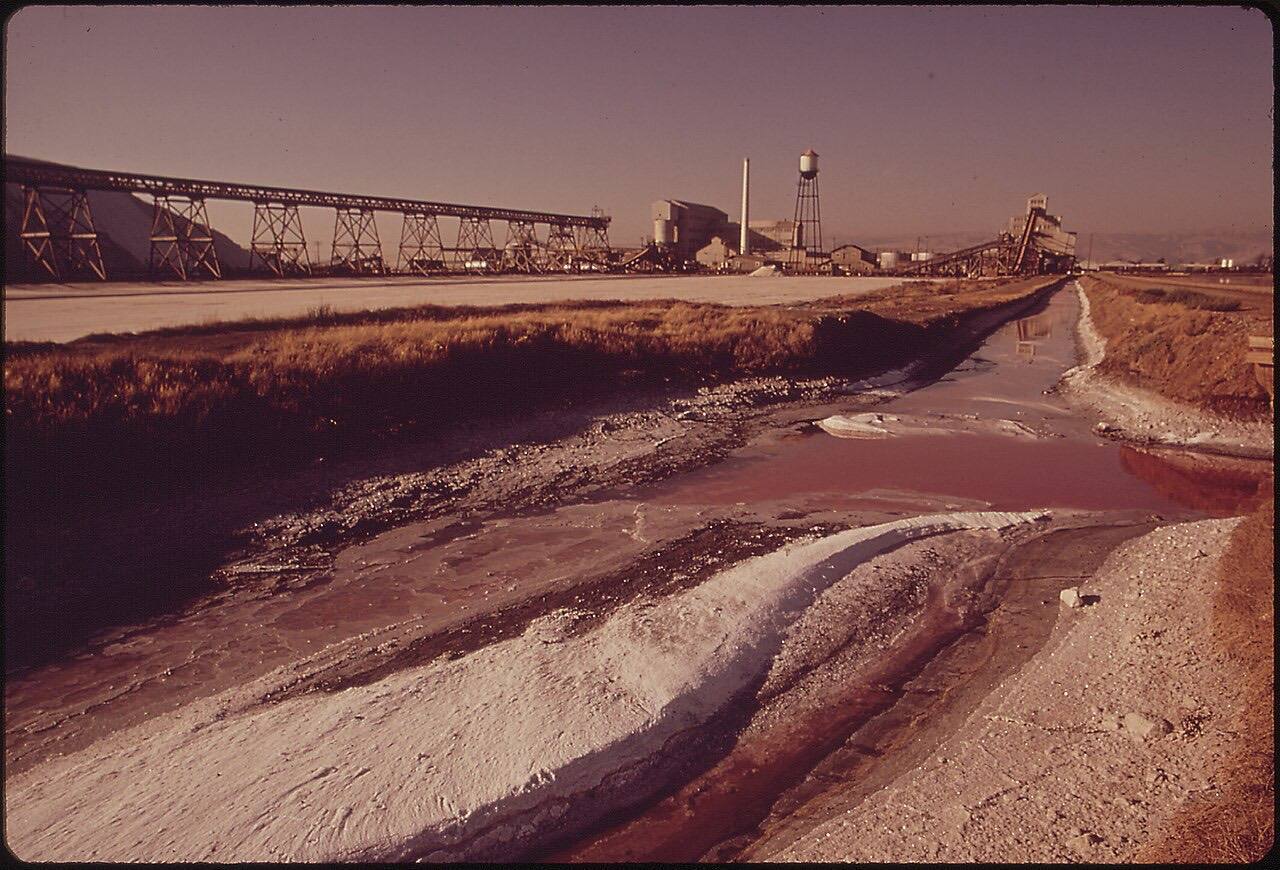
However, while some sectors are contracting under economic pressures, others are growing. The demand for bulk commodities - such as coal, grain, and minerals - remains strong. Railroads are uniquely positioned to transport these goods efficiently, and many companies are doubling down on their contracts to secure long-term agreements. This dichotomy highlights the complexity of the rail freight landscape in 1975.
“The railroads are at a crossroads; they must adapt to shifting demands while maintaining their critical role in the economy.”
Political Pressures and Regulation
The rail freight industry is not immune to the heavy hand of politics. Recent discussions in Congress have raised questions about regulatory reforms that could affect pricing structures and competition within the freight sector. Some lawmakers argue that increased regulation is necessary to ensure fair practices, while others contend that it risks stifling innovation and efficiency.
On the left, there is a push for a stronger regulatory framework to protect consumers and smaller freight companies from what they perceive as monopolistic practices by larger rail corporations. While the intention to protect the little guy is commendable, the reality is that excessive regulation may hinder the flexibility and responsiveness that the industry needs to thrive in a changing economic landscape.
On the right, the call for deregulation emphasizes the power of the free market to determine prices and services. Advocates argue that reducing regulatory burdens will spur competition and lead to lower prices for consumers. However, this perspective often overlooks the potential for larger companies to dominate the market, leaving smaller firms struggling to compete. Finding a middle ground that promotes healthy competition without compromising service quality is crucial.
Technological Advances and Opportunities
Despite the challenges, the rail freight industry is also embracing innovation. Advances in technology, such as improved tracking systems and automated operations, have the potential to enhance efficiency and reduce costs. Rail companies are investing in new technologies, aiming to modernize their fleets and infrastructure. This is a promising development that could yield significant benefits for both operators and customers alike.
Moreover, environmental considerations are becoming increasingly relevant. As the nation grapples with the implications of energy consumption, rail transport is often touted as a more environmentally friendly option compared to trucking. Railroads emit less carbon per ton-mile than trucks, making them an attractive solution for businesses looking to minimize their ecological footprint.
A Call for Balanced Solutions
As we navigate this complex landscape, it is essential for both sides of the political spectrum to take a balanced approach. The rail freight industry needs regulatory frameworks that encourage competition and protect smaller players, while also allowing for the flexibility required to adapt to market shifts. At the same time, businesses must recognize the importance of investing in technology and sustainable practices to ensure the longevity of the sector.
In conclusion, the rail freight industry is at a pivotal moment. It faces pressures from rising costs, regulatory scrutiny, and evolving market demands. However, with the right blend of innovation, regulation, and investment, it has the potential to emerge stronger than ever. As we continue to monitor the developments in rail freight, it is crucial to advocate for solutions that serve both the economy and the environment, striking a balance that fosters growth without compromising integrity.
✦ ✦ ✦