From the file. Written for the paper dated January 1975. Opened in the public stacks July 14, 2026.
As the headlines fade from the front pages of newspapers, the conversation surrounding science education remains stagnant, caught in a crossfire between leftist idealism and right-wing suspicion. It is time to confront the uncomfortable truths about how we are preparing our future generations to grapple with the complexities of scientific inquiry.
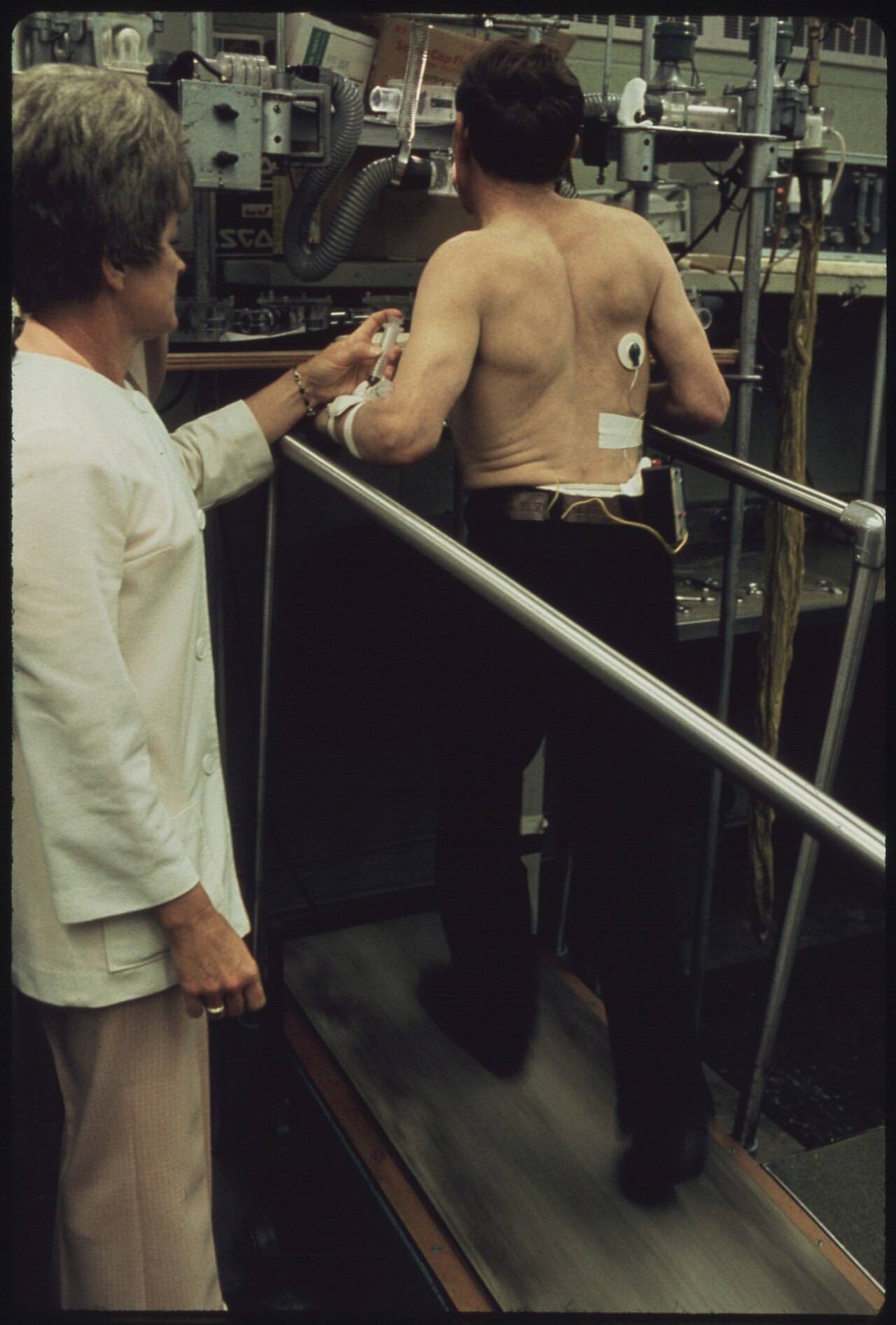
The State of Science Education Today
In recent months, discussions about science education have been dominated by sensational stories that raise public awareness, yet few seem willing to tackle the fundamental issues that plague our educational system. While political factions squabble over funding and curriculum, the reality is that an insidious apathy has taken root within the very institutions tasked with educating our youth. The left pushes for progressive reform, aiming to make science more accessible, while the right often clings to traditional methods, fearing that innovation may lead to chaos.
What we need is not merely a shift in policy but a radical reevaluation of how we approach teaching science. Unfortunately, this is a procedure nobody wants to discuss. The left advocates for interdisciplinary studies, tying science to social issues, while the right often dismisses these efforts as distractions from the core principles of scientific inquiry. As a result, students are left to navigate a fractured landscape, where the truths of science are muddied by ideological battles.
"We need to confront the uncomfortable truths about how we are preparing our future generations."
Curriculum Conflicts
At the high school level, science classes often serve as battlegrounds for competing ideologies. The introduction of environmental science courses, for example, has sparked a heated debate. Proponents argue that understanding ecological systems and human impact is essential for the next generation. Yet opponents fear that these subjects may be used as vehicles for political indoctrination. As a result, many schools are hesitant to adopt such curricula, leaving students ill-equipped to tackle pressing global challenges.
Moreover, the focus on standardized testing exacerbates the issue. Teachers are forced to teach to the test rather than fostering a genuine interest in scientific exploration. This has led to an environment where rote memorization takes precedence over critical thinking. And while the left pushes for educational equity, it is essential to ensure that quality is not sacrificed at the altar of uniformity.
The Role of Educators
Teachers find themselves in a precarious position, caught between administrative mandates and the expectations of parents and communities. Many are passionate about science and eager to inspire their students, yet they are often stymied by bureaucratic constraints. The lack of support for professional development means that many educators lack the tools to effectively teach the rapidly evolving field of science.
Furthermore, the conversation surrounding teacher pay remains contentious. While the left advocates for increased salaries to attract and retain quality educators, the right often argues that such raises should be tied to performance metrics. This debate often overlooks the broader issue: that teachers are not just conveyors of information but mentors who shape the future of science literacy among students.
Students in the Crossfire
Students today are not merely passive recipients of knowledge; they are active participants in shaping their understanding of the world. Yet, they are exposed to a barrage of conflicting messages about science. The sensationalism surrounding scientific breakthroughs often leads to misinformation and confusion. For example, the rapid advancement in genetic engineering has brought about both excitement and fear, yet students often lack the foundational knowledge to critically evaluate these developments.
The left's eagerness to embrace new scientific frontiers sometimes overlooks the ethical implications of such advancements, while the right's skepticism can stifle innovation. As a result, students are left in a state of uncertainty, struggling to discern fact from fiction in a world increasingly defined by scientific progress.
A Call for Change
It is time for educators, policymakers, and communities to come together and initiate a meaningful dialogue about science education. We must prioritize the development of critical thinking skills over mere content memorization. This means fostering environments where students can engage with scientific concepts through inquiry and experimentation, rather than just textbook learning.
Furthermore, we need to support our educators with resources and training that empower them to teach effectively and inspire curiosity. Science education should not be a political battleground but rather a collaborative effort to equip our youth with the tools they need to navigate an increasingly complex world. Only then can we hope to cultivate a generation of scientifically literate citizens who are prepared to tackle the challenges of tomorrow.
✦ ✦ ✦