From the file. Written for the paper dated January 1975. Opened in the public stacks July 14, 2026.
In the wake of the recent radar anomaly that stirred headlines across the nation, a deeper examination reveals a troubling trend: the reluctance of both the scientific community and government officials to address the underlying procedures that may have contributed to this incident.

Understanding the Anomaly
The radar anomaly that captured public attention last month was not merely a case of technical failure; it represented a systemic issue within our radar operations. As reports flooded in about unidentified objects appearing on military and civilian radar screens, questions surged about the reliability of our surveillance systems. While some officials chalked it up to interference or malfunction, others speculated about the possibility of extraterrestrial activity. Yet, beneath the sensationalism lies a procedure that many are hesitant to scrutinize.
The Science Behind the Screens
Radar technology, though a cornerstone of military and aviation safety, is not immune to flaws. The systems in use today are complex, relying on a multitude of variables including weather conditions, geographic interference, and human error. However, as the radar anomaly unfolded, it became clear that there was an underlying procedural issue that was largely ignored in the rush to calm public fears.
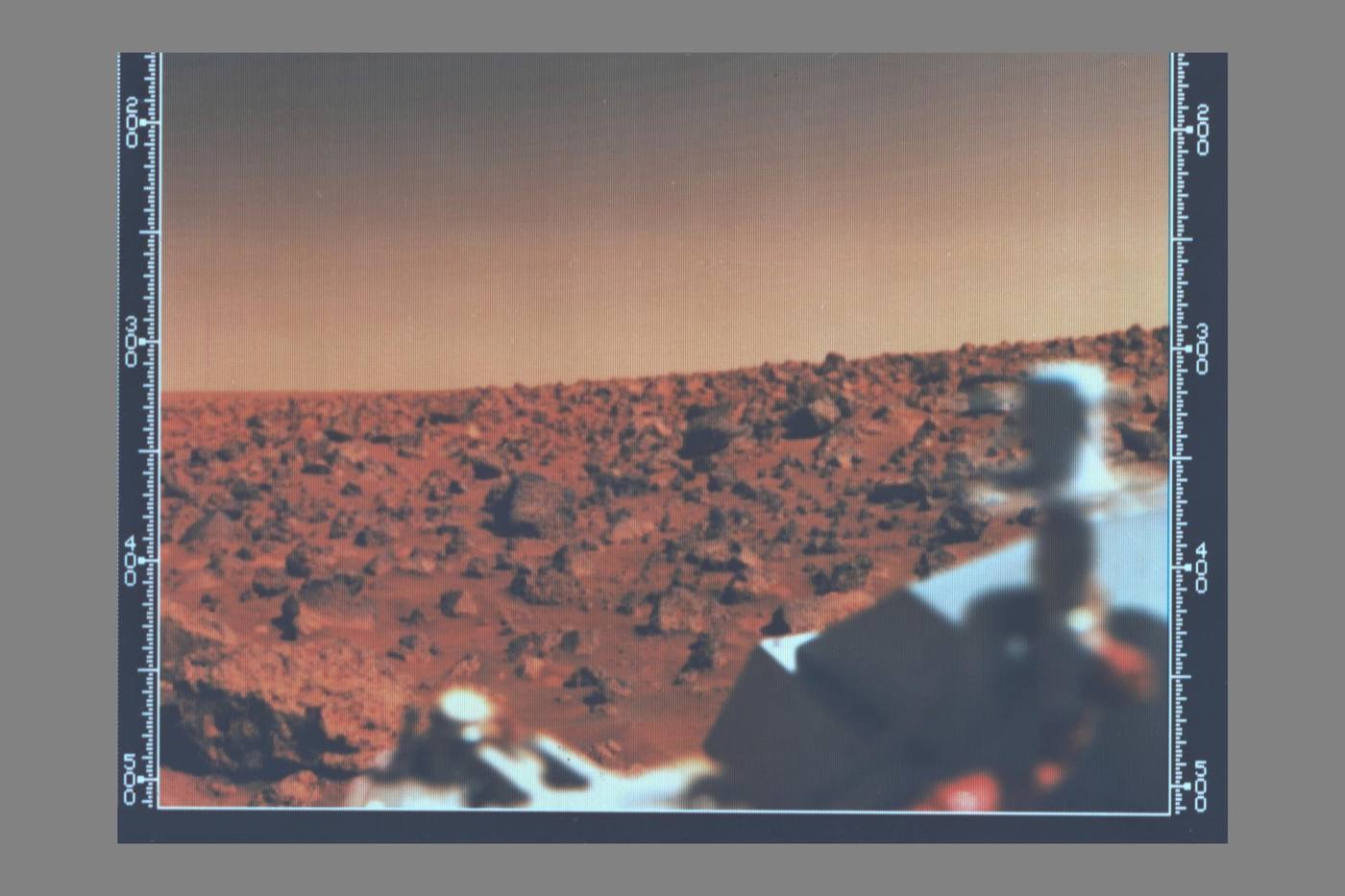
“The failure to address the procedural shortcomings only serves to undermine public trust in our scientific and governmental institutions.”
Political Responses and Public Anxiety
The political landscape surrounding the anomaly has been equally revealing. On one side, some officials have dismissed the incident as a mere glitch, a minor hiccup in an otherwise reliable system. This cavalier attitude does little to reassure a public already anxious about national security. On the other side, the more sensationalist elements of the media have seized the opportunity to stoke fears of unidentified flying objects, fueling conspiracy theories that distract from the real issues at hand.
The reaction from both the left and right has been illustrative of a broader malaise. Some on the left have called for increased transparency and accountability, demanding a thorough investigation into the procedures that govern radar operations. Yet, their calls are often drowned out by more radical voices advocating for sweeping reforms that may not address the root causes of the issue. Meanwhile, the right tends to downplay the situation, framing it as an attack on American institutions, rather than an opportunity for necessary improvement.
The Need for Constructive Dialogue
What we require is a balanced dialogue that acknowledges the legitimate concerns from both sides while focusing on practical solutions. It is crucial that experts in radar technology and operational procedures engage with the public to explain the nuances of these systems. This can help demystify the technology while fostering a sense of security and trust.
Moreover, government officials must be willing to admit when procedures fail and to investigate the reasons behind such failures. Only through honest acknowledgment of shortcomings can we hope to improve our systems and regain public confidence.
Lessons from the Anomaly
As we assess the implications of the radar anomaly, it is evident that both overreaction and complacency are detrimental. The left's call for sweeping reforms and the right's insistence on maintaining the status quo are two sides of the same coin - both fail to address the need for a reasoned approach that prioritizes safety and accountability.
We must foster an environment where scientific inquiry thrives, free from the shackles of political expediency. The radar anomaly may serve as a catalyst for much-needed discussions surrounding the efficacy of our surveillance systems, but only if we are willing to confront the uncomfortable truths it reveals.
Conclusion: Moving Beyond the Headlines
In conclusion, the radar anomaly has exposed significant gaps in our approach to scientific transparency and governmental accountability. Both the left and the right must recognize that the path forward lies in constructive dialogue rather than divisive rhetoric. Only through collaboration can we ensure that future anomalies are not met with the same confusion and fear that characterized this latest incident.
✦ ✦ ✦