From the file. Written for the paper dated January 1975. Opened in the public stacks July 14, 2026.
In the wake of sensational headlines, public clinics have become a critical yet often overlooked aspect of our health care system. While the media focuses on more glamorous aspects of health care reform, the reality of life in these clinics tells a different story, one that needs to be told.
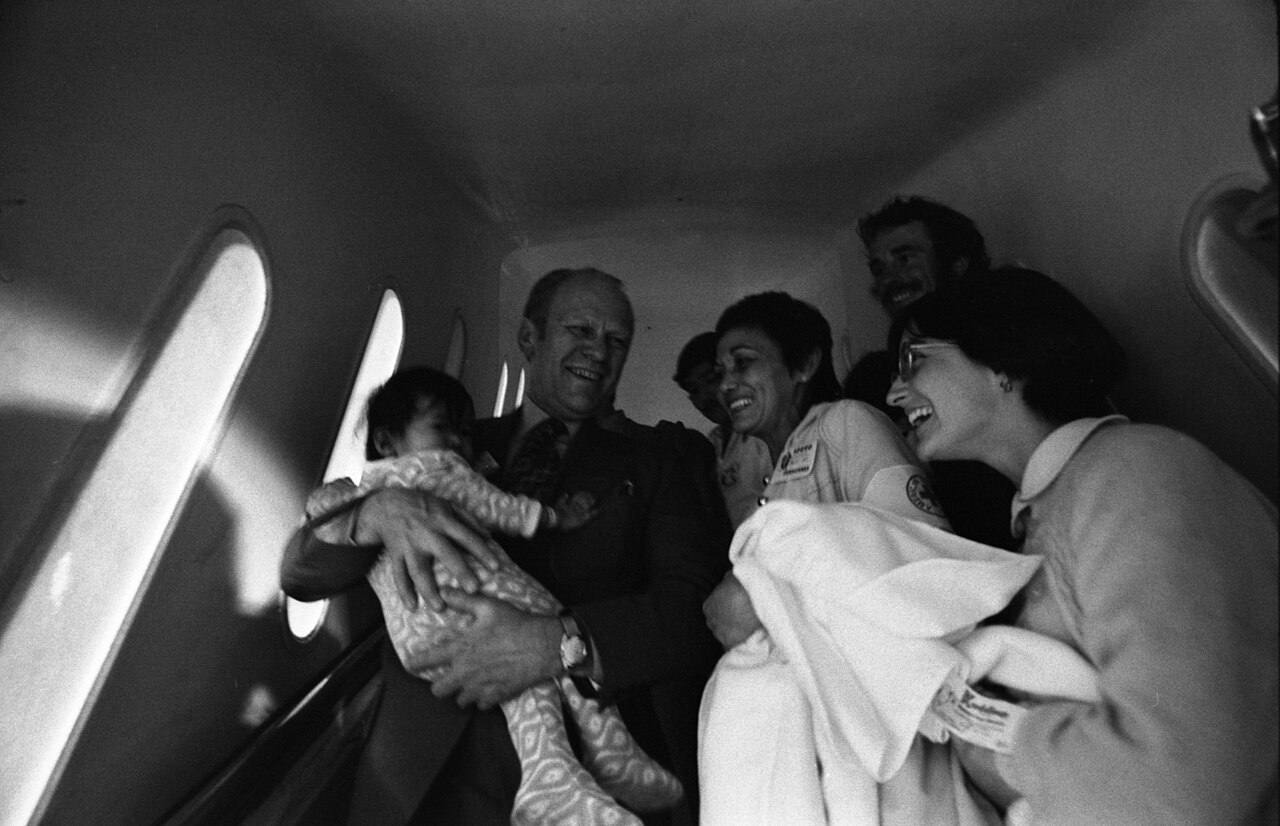
Behind the Curtain of Public Health Services
Public clinics serve a population that is often marginalized, providing essential services to those who may otherwise fall through the cracks of our health care system. Yet, despite their importance, these clinics are often underfunded and overburdened. The staff work tirelessly, yet they struggle to meet the needs of a growing patient base. As the nation grapples with health care reform, it is vital to examine the implications of these services and the critical procedures that are often swept under the rug.
The Unspoken Procedure
One procedure that remains uncomfortably shrouded in silence is the need for safe and legal abortions. The topic has become a political lightning rod, dividing the left and right in a contentious national dialogue. On one side, proponents argue for women's rights and autonomy over their own bodies, while on the other, opponents push a moralistic agenda that often disregards the complexities of individual circumstances.
"The reality is that women will seek abortions whether they are legal or not; the question is how safe those procedures will be."
In public clinics, where resources are already stretched thin, providing safe reproductive health services often takes a backseat to more visible health issues. Many clinics do not have the funding to offer comprehensive reproductive care, and as a result, women may be forced to seek services elsewhere, often in unsafe environments. The reluctance to discuss this issue openly only exacerbates the problem, leaving women without the support they need.
The Left's Overreach
On the left, there is a tendency to idealize public health initiatives without acknowledging the systemic issues that plague these institutions. Advocates often march for expanded services and increased funding, but fail to address the bureaucratic hurdles that stand in the way of meaningful reform. There is an urgency to push for more, but without a realistic approach, the very clinics that are meant to provide care risk becoming overwhelmed and ineffective.
The Right's Reluctance
Conversely, the right often dismisses public clinics as bureaucratic failures, advocating for privatization and market-driven solutions. However, this line of thinking ignores the inherent disparities within our health care system. The reality is that many individuals who rely on public clinics do not have the means to access private care. This dismissal of public health services, driven by an ideological commitment to free-market principles, could have devastating consequences for the most vulnerable members of society.
A Call for Real Solutions
Both sides must move beyond their entrenched positions and engage in a constructive dialogue about the future of public health services. It is imperative to recognize that the challenges facing these clinics are not merely political talking points; they represent the lives of real people who are in desperate need of care. Only by working together can we begin to address the complex realities of public health.
Conclusion
As we move forward in the debate over health care, we must keep the needs of the most vulnerable at the forefront. Public clinics are not just a footnote in the conversation; they are the backbone of our health care system. The procedure that nobody wants to discuss is a reality for many, and it is time we bring it into the light. Only then can we hope to create a health care system that serves everyone, not just those who can afford it.
✦ ✦ ✦