From the file. Written for the paper dated December 1974. Opened in the public stacks July 14, 2026.
As the year draws to a close, many Americans are concerned about their financial futures. The recent fluctuations in the savings rate reveal not just economic trends but the underlying behaviors that drive consumer confidence.
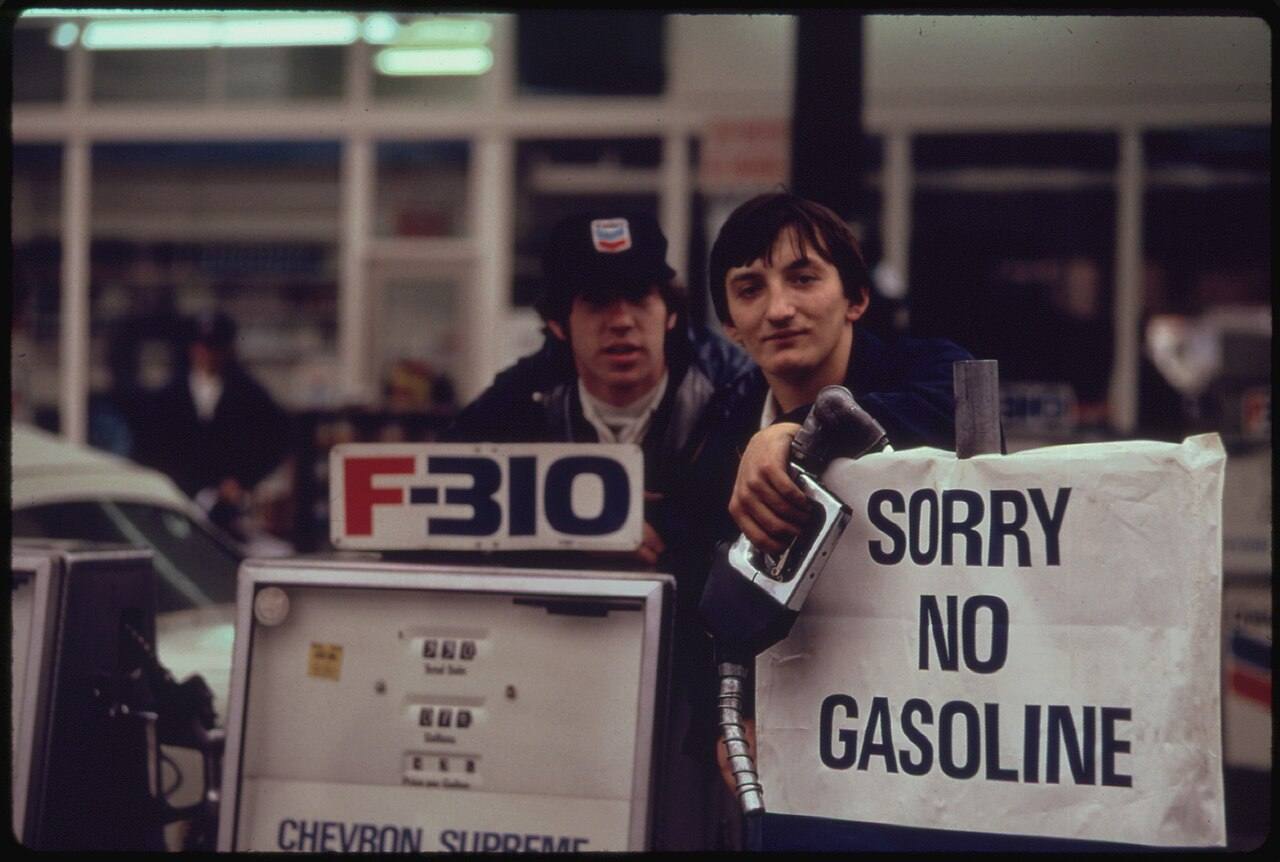
The Mechanics of Savings
The savings rate is a simple yet revealing indicator of the economic health of a nation. In December 1974, reports indicate that the savings rate dipped slightly, reflecting a complex interplay between consumer sentiment, inflationary pressures, and the overall economic environment. While the numbers may seem dry, the implications are anything but.
At its core, the savings rate represents the portion of disposable income that households save rather than spend. A higher savings rate often signals a cautious consumer, wary of potential economic instability. Conversely, a lower rate may indicate a more confident populace willing to invest in the economy. As we navigate the fallout from Watergate and the oil crisis, the current savings rate suggests a population caught in a tug-of-war between optimism and apprehension.

“The savings rate reflects not just financial choices but deeper societal sentiments.”
Consumer Behavior and Inflation
The economic landscape of December 1974 is ripe for scrutiny. Inflation continues to rear its ugly head, with prices rising at a pace that leaves many consumers feeling the pinch. As essentials like food and fuel consume more of the average household budget, the decision to save becomes increasingly difficult. When people are forced to allocate a larger portion of their income to necessities, the inclination to save diminishes.
Yet, this inflationary pressure can create a paradox. The more consumers feel the squeeze of rising prices, the more they might choose to save as a hedge against uncertainty. This behavior suggests a cautious approach to spending, which can then impact overall economic growth. The duality of saving and spending reflects a nation in transition - consumers are unsure whether to brace for further economic turbulence or to seize opportunities in a recovering market.
The Political Landscape's Influence
In addition to economic factors, the political climate undoubtedly plays a role in shaping consumer behavior. The left and right wings of American politics are battling to define the narrative around the economy. On the left, there is a push for more government intervention to stabilize prices and protect the working class. Advocates argue that this is necessary to alleviate the burden of inflation on everyday Americans.
On the other hand, the right argues for the virtues of free-market principles, asserting that government interference only exacerbates the problem. They contend that a hands-off approach will allow the economy to correct itself in due time. However, as consumers grapple with rising costs, the rhetoric from both sides often feels detached from the lived experiences of average citizens.
“The rhetoric from both political sides often feels detached from the lived experiences of average citizens.”
Consumer Confidence in Crisis
As December unfolds, the interplay between consumer sentiment and savings is critical. The recent decline in the savings rate may signal a troubling trend: Americans are beginning to spend more out of necessity rather than choice. This behavior can be alarming, as it suggests that confidence is waning. The choice to spend may be driven by immediate needs rather than a positive outlook on the economy.
Moreover, the media's portrayal of the economy can further impact consumer confidence. Alarmist headlines and dire predictions can create a sense of panic, leading to a rush to either save or spend hastily. The challenge lies in balancing the need for caution with the desire for economic participation. As we approach the new year, it is essential for policymakers, business leaders, and consumers alike to find a common ground that fosters both savings and spending.
A Call for Balanced Discourse
As we reflect on the current state of the savings rate, it is imperative that both sides of the political spectrum engage in a more constructive discourse. Instead of using the economy as a pawn in ideological battles, there should be a focus on practical solutions that address the real concerns of Americans. Ignoring the nuances of consumer behavior only serves to deepen the divide and exacerbate the fears that many are experiencing.
Ultimately, the savings rate is not just a statistic; it is a reflection of the American psyche. As we navigate this economic landscape, it is vital that we consider the broader implications of savings and spending behaviors. In a nation characterized by its diversity of thought and opinion, let us strive for a balanced approach that respects the complexities of our shared economic journey.
✦ ✦ ✦